Blog
Dairy factory relocation from Erbil to Sulaymaniyah, 10 Important Steps and Project Report

Dairy Factory Relocation by Sahi Rasa in Iraq: 14 Critical Project Steps
Relocating a dairy plant is not simply a matter of disconnecting machines, loading trucks, and installing the equipment at another location. A successful Dairy Factory Relocation requires coordinated engineering, dismantling, logistics, mechanical installation, electrical commissioning, process validation, quality control, supply-chain planning, and production management.
Sahi Rasa was selected to execute the relocation of a dairy factory from Erbil to the Kalar area of Sulaymaniyah, Iraq, with responsibility extending from equipment dismantling and transportation to reinstallation, commissioning, production preparation, branding, marketing, and operational support.
The project demonstrates an important principle in industrial relocation: the objective is not merely to move equipment. The objective is to restore a complete production system at the destination and bring it back to controlled operation.
For Sahi Rasa, the scope of this Dairy Factory Relocation therefore covered the equipment, utilities, process systems, electrical infrastructure, cold-chain equipment, laboratory facilities, packaging systems, logistics, manpower, testing, calibration, raw-material supply, branding, and production management.
1. Why Dairy Factory Relocation Requires Engineering Management
A dairy factory is an interconnected system. A filler cannot operate independently from the product tanks, CIP system, process piping, electrical controls, refrigeration system, compressed air, water treatment, and production workflow.
When the factory is moved, each connection must be documented and recreated correctly.
The principal risks include:
- Damage to equipment during dismantling
- Loss or incorrect identification of cables and piping
- Misalignment during reinstallation
- Contamination of food-contact surfaces
- Incorrect process-piping connections
- Electrical control incompatibility
- Insufficient refrigeration capacity
- Utility connection problems
- Delays in transportation
- Missing components during commissioning
- Incorrect calibration
- Production losses during startup
This is why a professional dairy plant relocation should be managed as an engineering project with a defined Work Breakdown Structure (WBS), equipment register, dismantling sequence, logistics plan, installation plan, commissioning protocol, and acceptance criteria.
The destination site must also be evaluated before any major equipment is removed from the original facility.
Sahi Rasa's broader project experience includes dairy processing and production-line projects involving equipment, process parameters, supply-chain coordination, and industrial implementation. Its project portfolio provides additional examples of industrial and food-processing work.
2. Project Assessment Before Dismantling
The first technical stage of a Dairy Factory Relocation is a detailed assessment of the existing plant.
Before dismantling begins, the project team should identify every major machine, utility, connection, control panel, auxiliary component, and spare part.
For the Erbil-to-Sulaymaniyah project, the equipment scope included major dairy-processing and packaging systems such as:
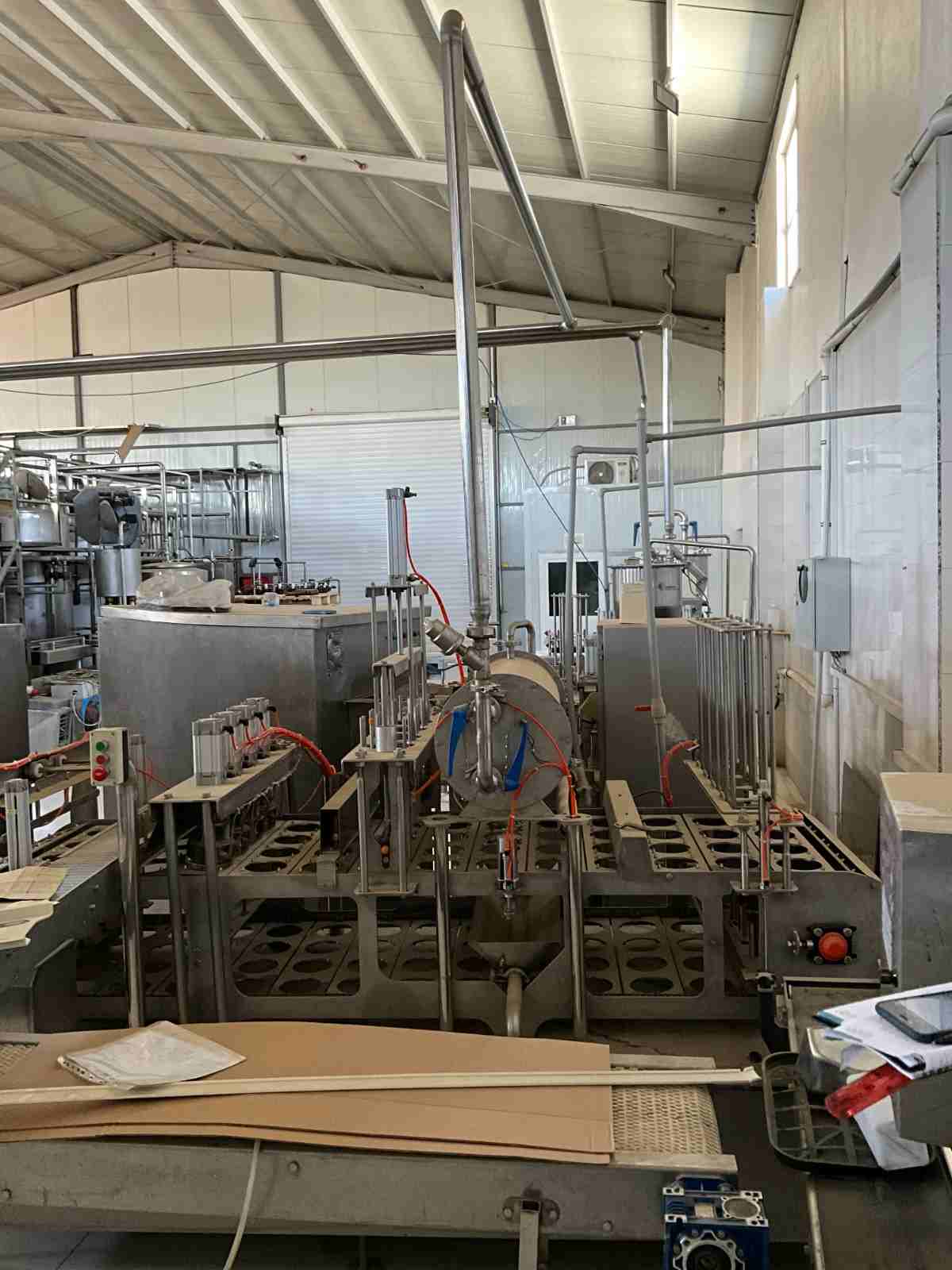
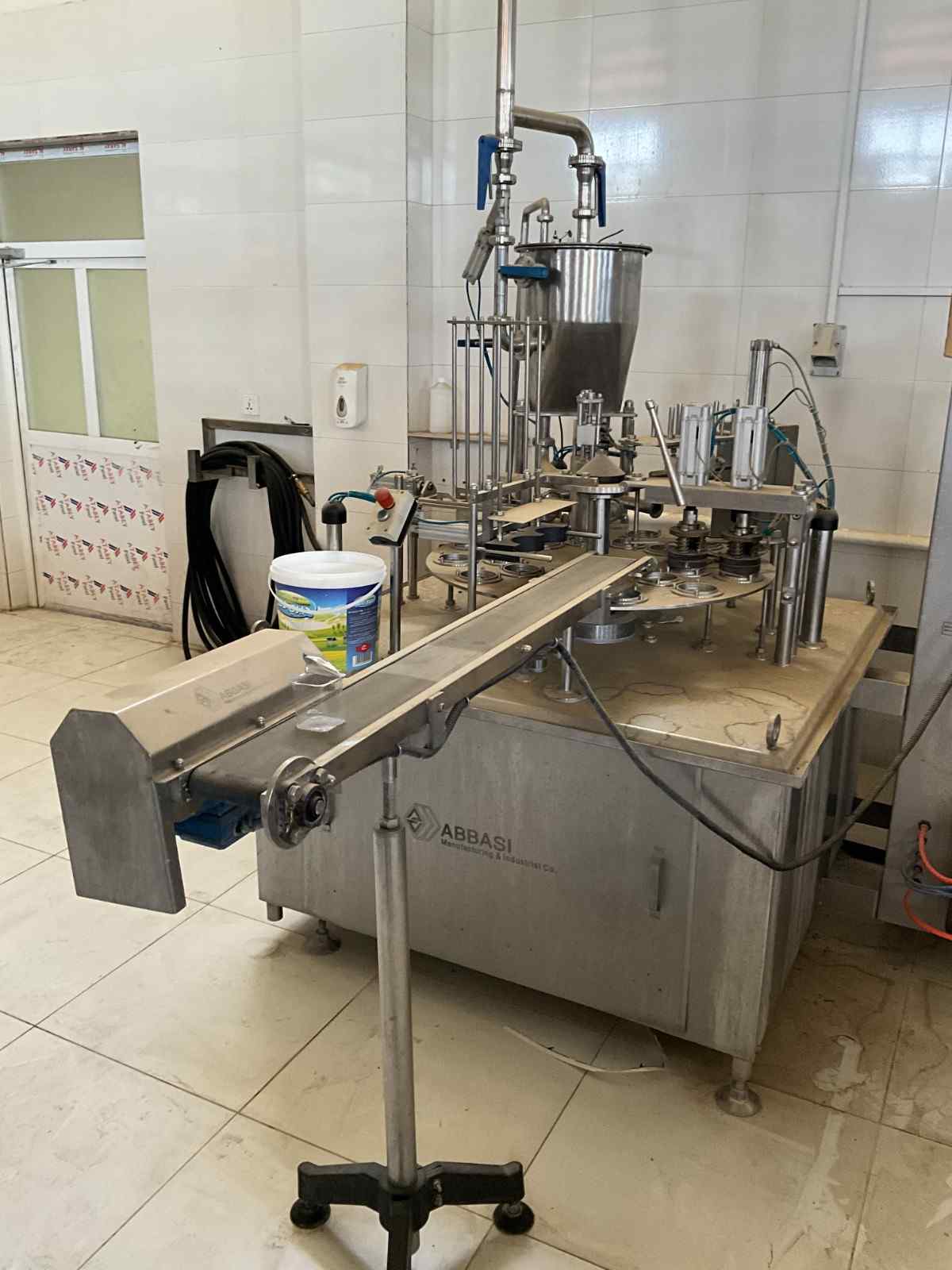
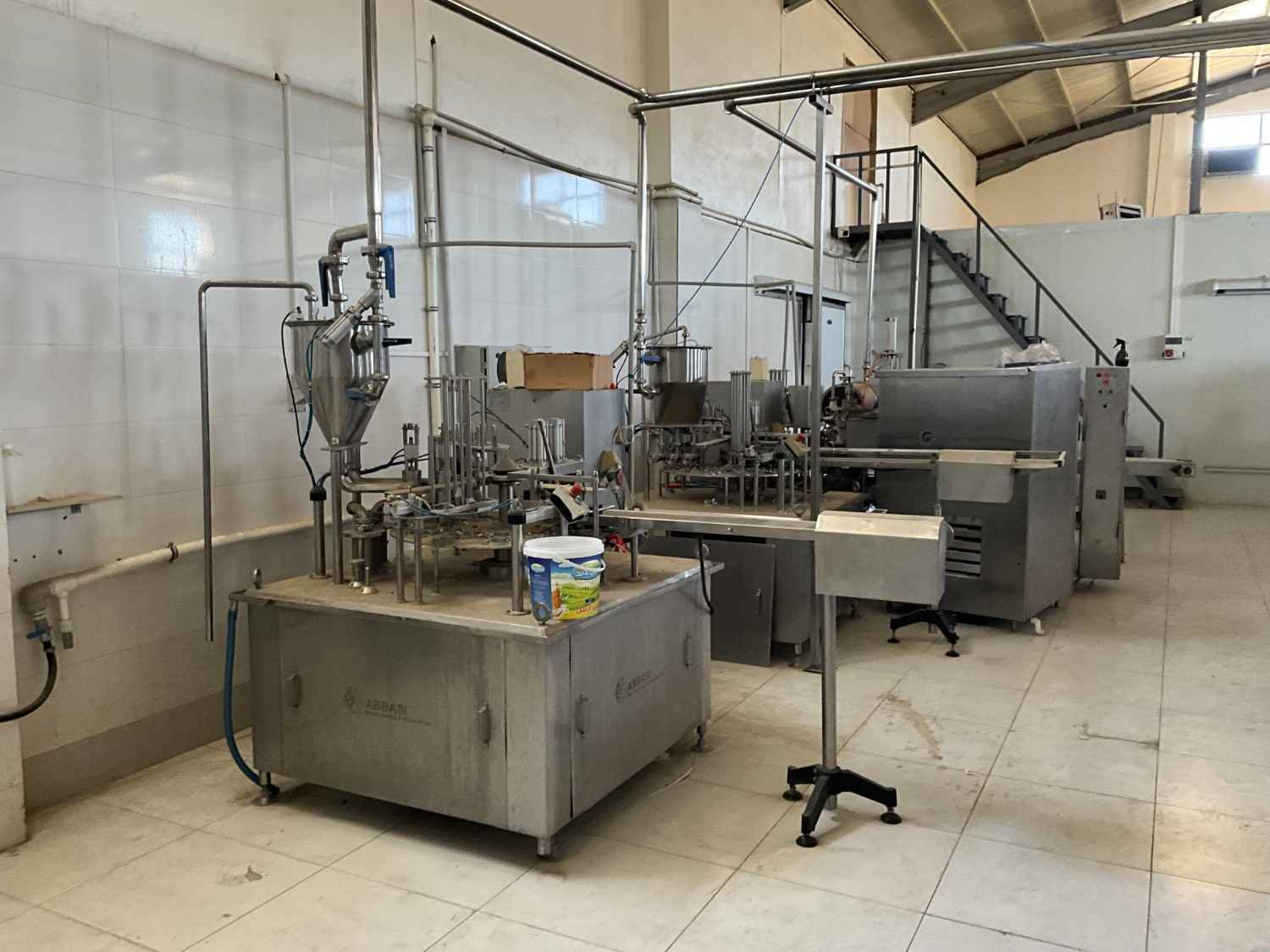
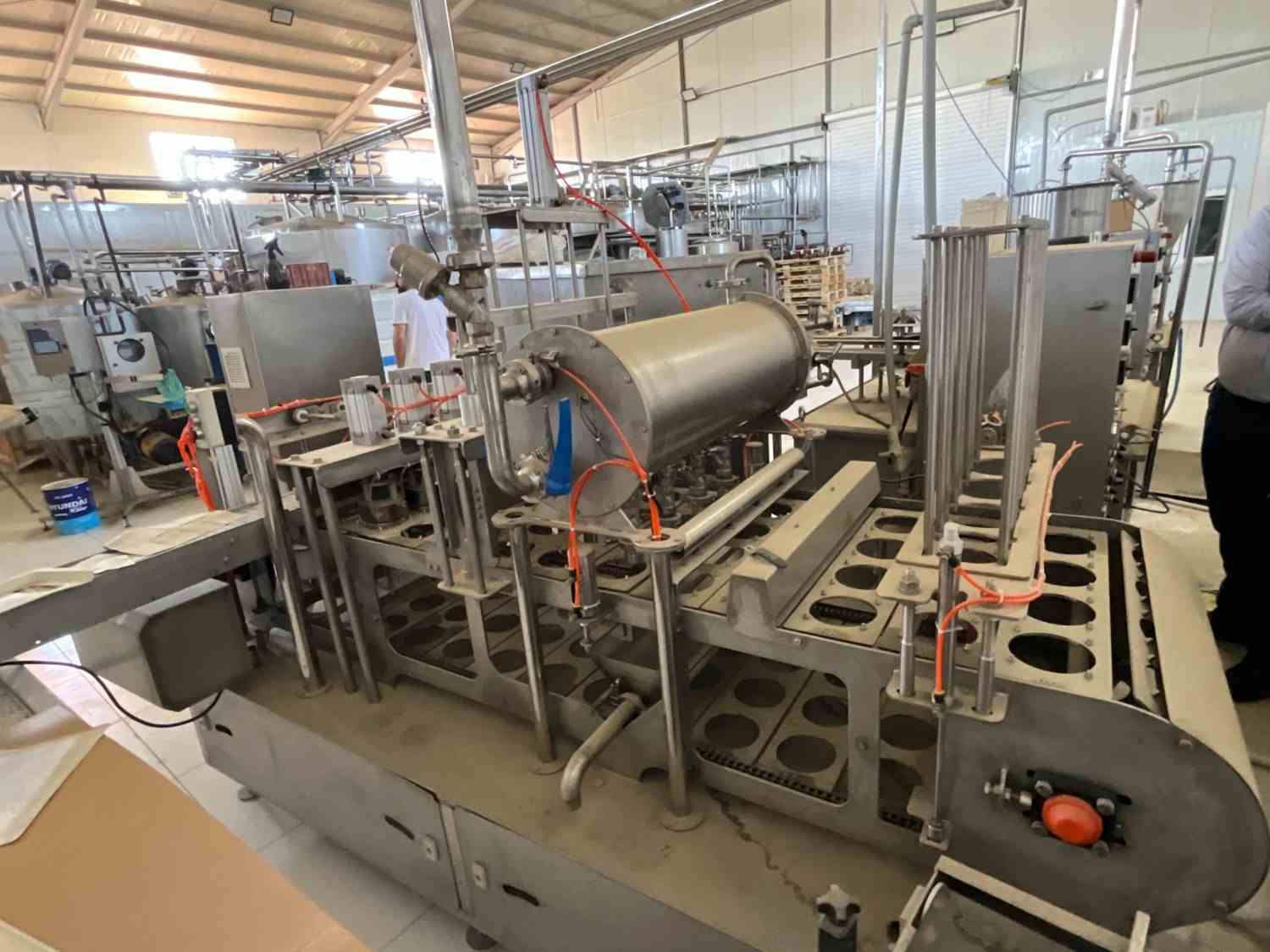
- Two rotary cup fillers
- Three-nozzle rotary yogurt filler
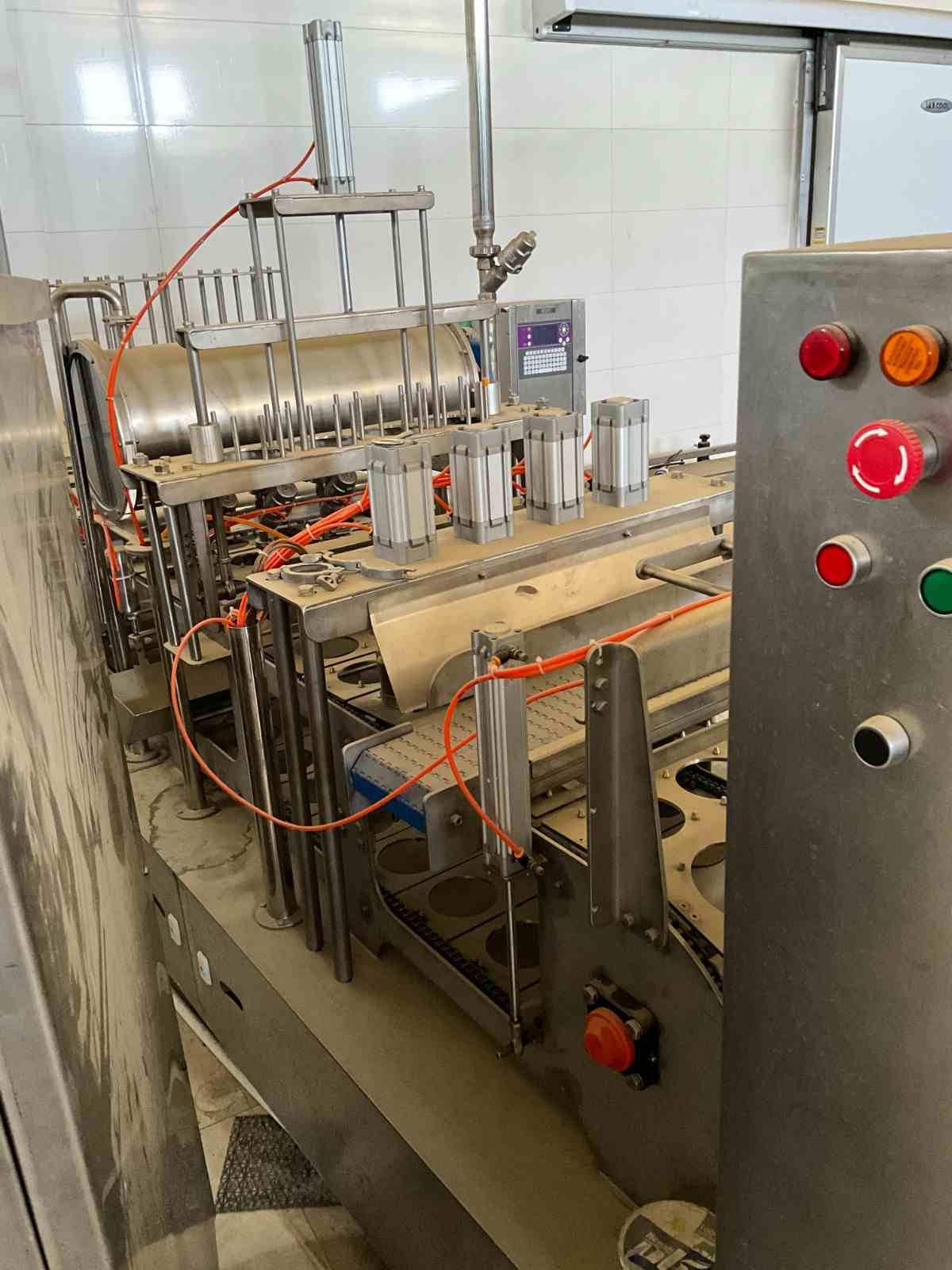
- Four-nozzle 95-mm-mouth filler
- Two homogenizers
- Pasteurizer
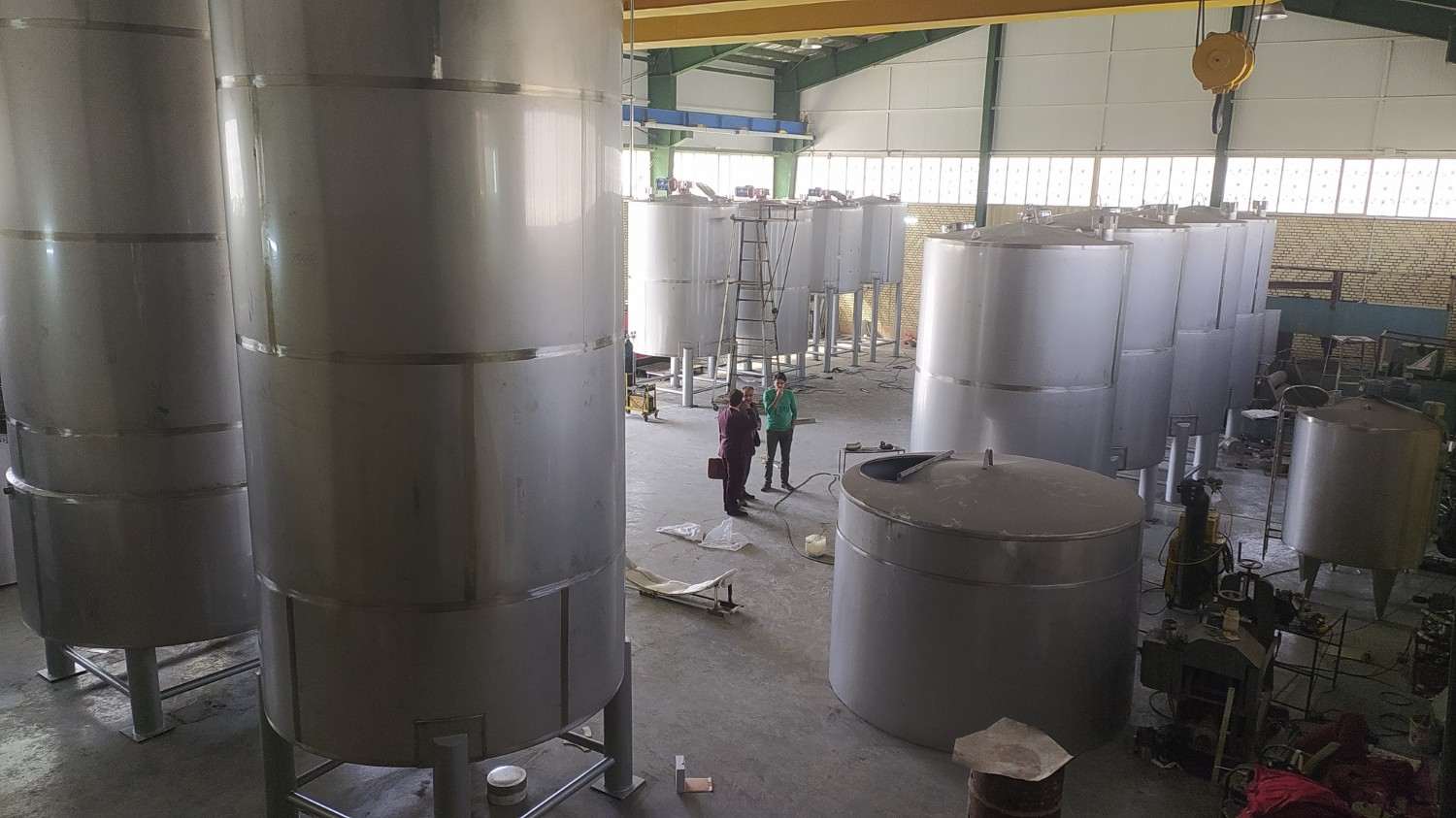
- Processing and storage tanks
- CIP system
- 24-nozzle triblock system
- Shrink-wrapper
- Jet printer and conveyors
- Refrigeration equipment and internal panels
- External equipment
- Pallets
- Laboratory equipment
- Stainless-steel process piping
- Electrical control panels
- Condenser, chiller, compressor, dryer and low-pressure vessel
- Cables and electrical accessories
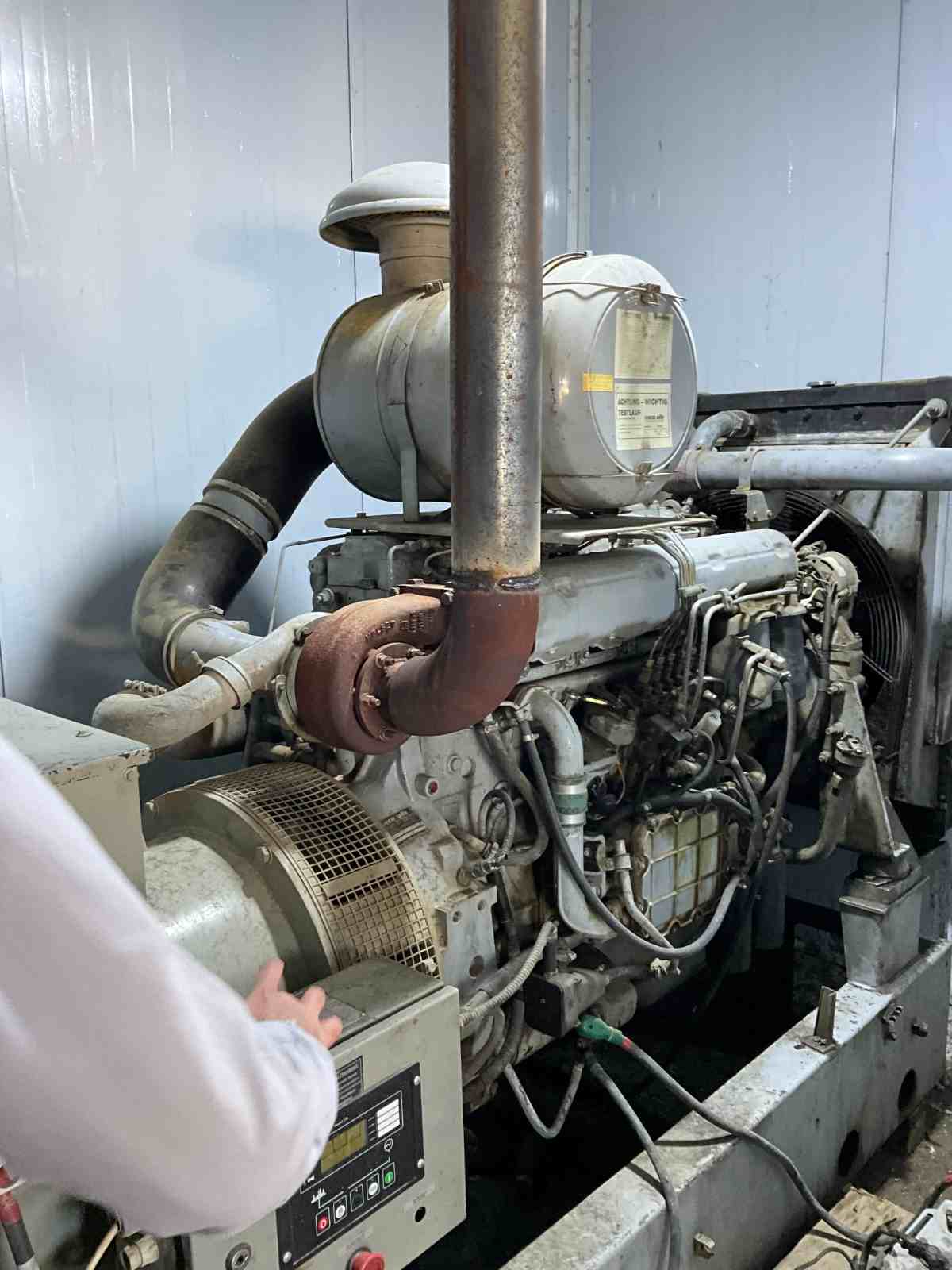
Additional site equipment included refrigeration pallets, fuel tank, generator, water tank, water-treatment equipment and associated infrastructure.
Equipment tagging
Each machine should receive a unique identification code before dismantling.
The equipment register should normally contain:
- Equipment ID
- Manufacturer
- Model
- Serial number
- Dimensions
- Approximate weight
- Electrical rating
- Utility connections
- Product connections
- Photographs
- Existing location
- Destination location
- Dismantling requirements
- Packing requirements
- Reinstallation status
This documentation becomes the baseline for the entire relocation project.
A missing small component can stop an entire production line during commissioning. Equipment tagging therefore has a direct effect on project schedule and startup risk.
3. Dairy Factory Dismantling: Protecting Equipment Before Transport
The next stage is controlled dairy factory dismantling.
Dismantling should never begin by simply disconnecting visible cables and pipes. The sequence must be based on the equipment layout, process flow, lifting requirements, and transportation plan.
Mechanical dismantling
The mechanical team typically handles:
- Process equipment
- Pumps
- Tanks
- Heat exchangers
- Homogenizers
- Pasteurizers
- Filling machines
- Packaging machinery
- Refrigeration equipment
- Stainless-steel piping
- Utility connections
Before opening food-contact circuits, the equipment must be isolated, drained, cleaned where appropriate, and protected against contamination.
Electrical dismantling
Electrical technicians identify:
- Power cables
- Control cables
- Sensor wiring
- Motor connections
- PLC I/O
- Instrumentation
- Control-panel interfaces
- Communication cables
- Safety circuits
Photographic documentation and cable tagging are especially important for older installations where drawings may not fully represent the current configuration.
Stainless-steel piping
Process piping is one of the more sensitive components.
Pipes should be tagged according to their service and destination. Food-contact surfaces must be protected from mechanical damage, dirt, welding contamination, and unnecessary exposure.
For stainless-steel fabrication and reconnection, welding procedures, material compatibility, surface condition, hygienic design and cleaning requirements should be considered as part of the engineering plan.
4. Logistics: Moving a Factory Without Losing the Production System
The transportation phase is one of the most underestimated parts of a Dairy Factory Relocation.
The project is not complete when the machinery leaves Erbil. Every item must arrive at the new facility in identifiable and usable condition.
The logistics scope for the project included:
- Loading operations
- Heavy lifting
- Cranes
- Forklifts
- Trucks
- Transportation coordination
- Offloading
- Temporary storage where required
- Delivery to the installation area
- Protection of sensitive equipment
Heavy equipment handling
Equipment such as homogenizers, pasteurizers, refrigeration systems and large processing units can have significant weight and an unfavorable center of gravity.
The lifting plan should consider:
- Equipment weight
- Center of gravity
- Certified lifting points
- Crane capacity
- Lifting radius
- Ground conditions
- Truck loading configuration
- Road restrictions
- Weather conditions
- Personnel exclusion zones
A lifting operation should be controlled by competent personnel, with appropriate lifting accessories and exclusion areas.
The same principle applies at the destination. Landing the equipment safely is only the first step; positioning it accurately according to the new layout is equally important.
5. Designing the New Production Area in Kalar in Kurdistan
A relocation project can create an opportunity to improve the factory layout.
The new site in the Kalar area of Sulaymaniyah required planning around the relocated production equipment and its utilities.
The layout should be developed around:
- Raw-material flow
- Product flow
- Personnel movement
- Packaging flow
- Finished-product storage
- Cleaning operations
- Maintenance access
- Utility distribution
- Refrigeration
- Drainage
- Hygiene zoning
- Emergency access
The production line should be arranged to minimize unnecessary product movement and avoid conflicts between raw materials, finished products, personnel and waste.
Utility design
The new factory must provide sufficient capacity for:
- Electrical power
- Process water
- Treated water
- Hot water or heating systems
- Refrigeration
- Compressed air
- Drainage
- Process piping
- CIP
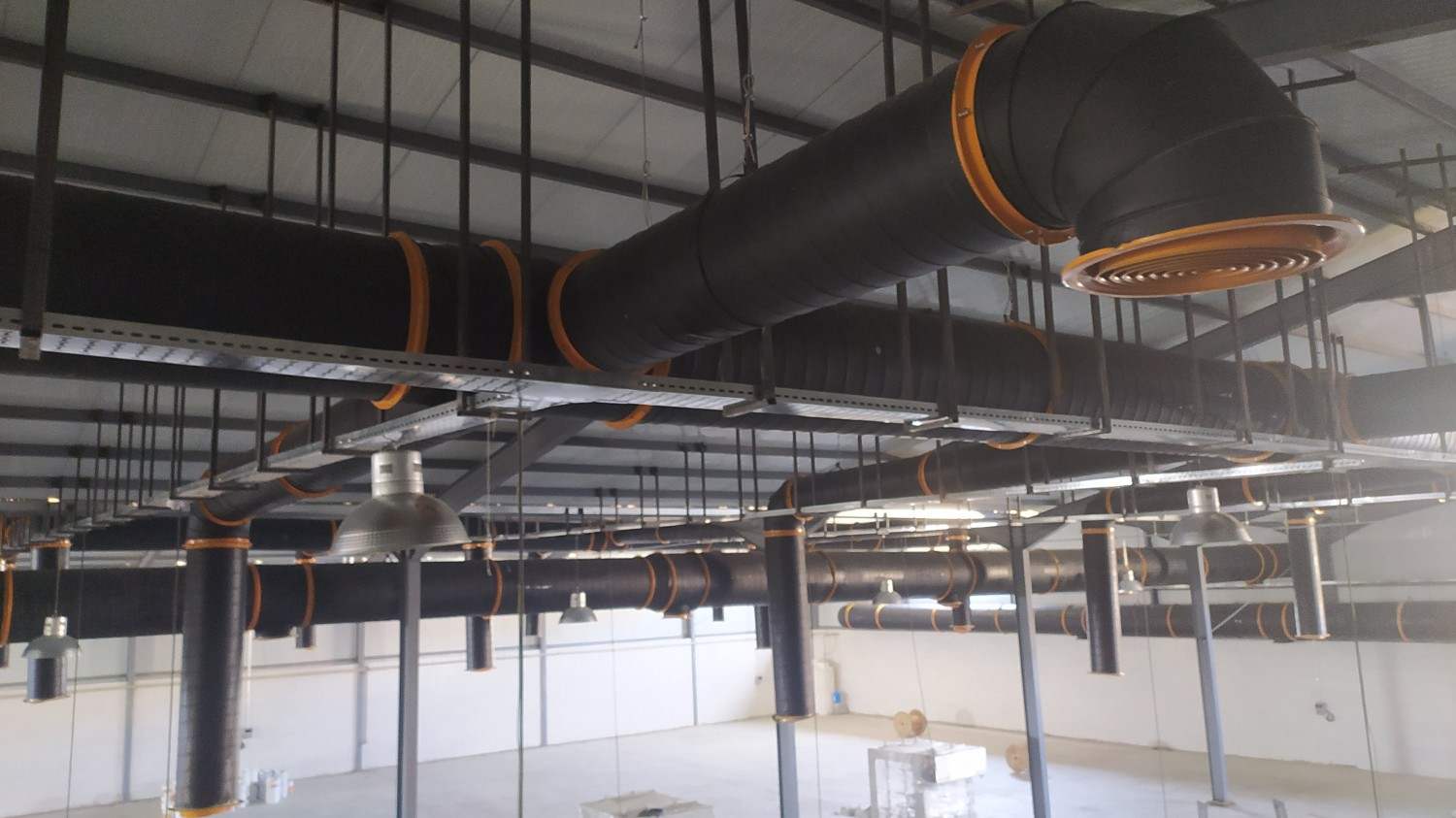
- Ventilation
- Lighting
- Control systems
Utility capacity should be calculated from the actual equipment requirements rather than copied from the old factory.
This is particularly important when the new building has different ambient conditions, distances between equipment, or utility infrastructure.
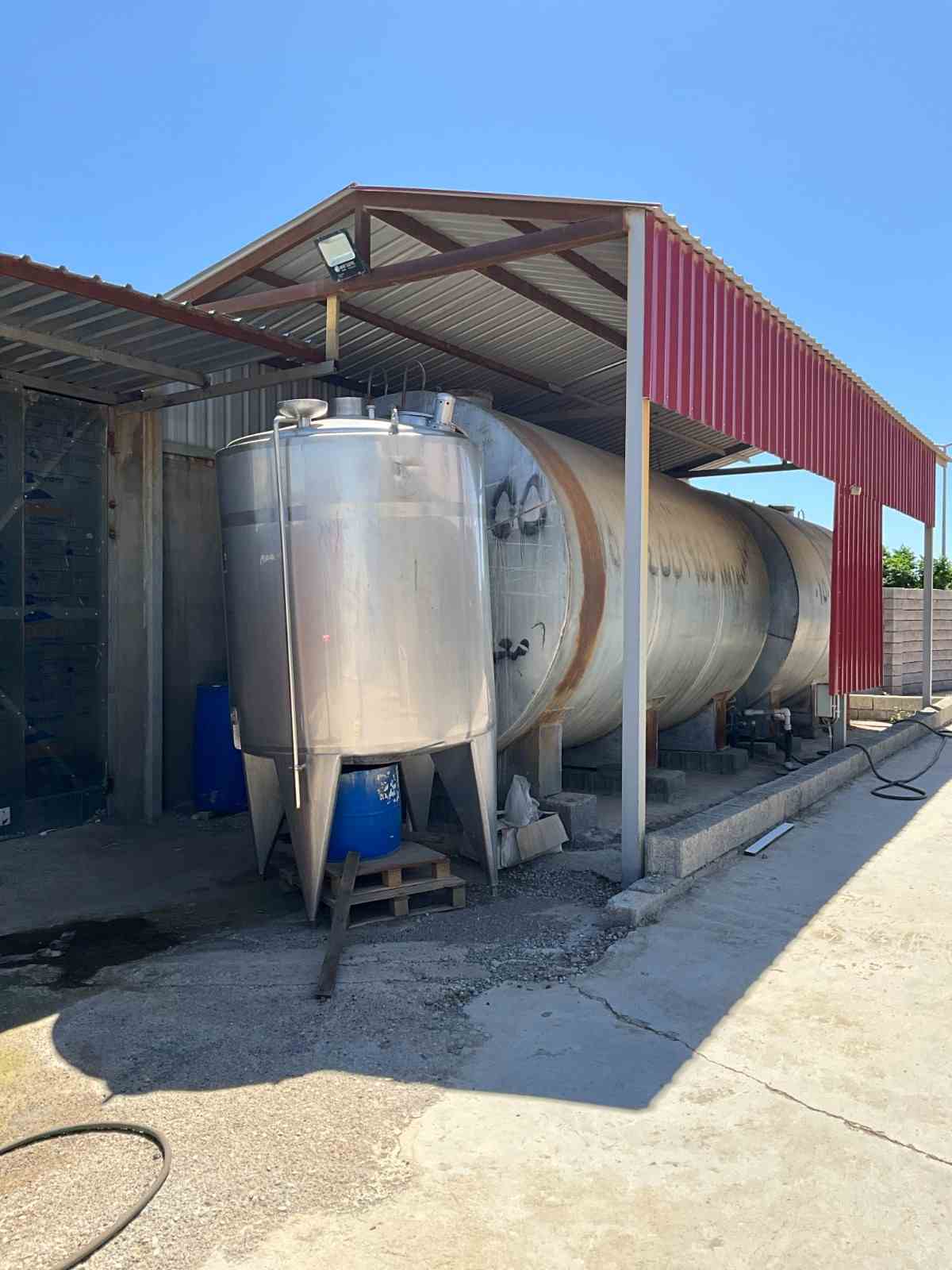
6. Reinstallation of Dairy Processing Equipment
After transportation and site preparation, the next stage is dairy production line installation.
Installation is performed according to the new layout, equipment drawings, utility requirements and process sequence.
The major process equipment included:
Homogenizers
Two homogenizers formed part of the processing system.
During installation, alignment, product connections, lubrication requirements, electrical supply, instrumentation and operating parameters must be verified.
Homogenization performance directly affects product texture, stability and consistency, so the machine cannot simply be connected and started without process verification.
Pasteurizer
The pasteurizer is a critical food-safety component.
Its installation requires attention to:
- Product circuit
- Heating circuit
- Cooling circuit
- Temperature measurement
- Flow control
- Holding section
- Control system
- Safety interlocks
- CIP connections
The exact pasteurization parameters must be established according to the product, process design and applicable regulatory requirements. They should not be assumed merely because the same machine was previously installed at another location.
Tanks and CIP
Process tanks must be installed with correct connections for product, cleaning solution, water, air and drainage.
The CIP system must be integrated with the process equipment so that the required circuits can be cleaned systematically.
This is particularly important because food safety is not achieved only by controlling the production process. The hygienic condition of equipment between production cycles is also critical.
7. Packaging Line Installation and Integration
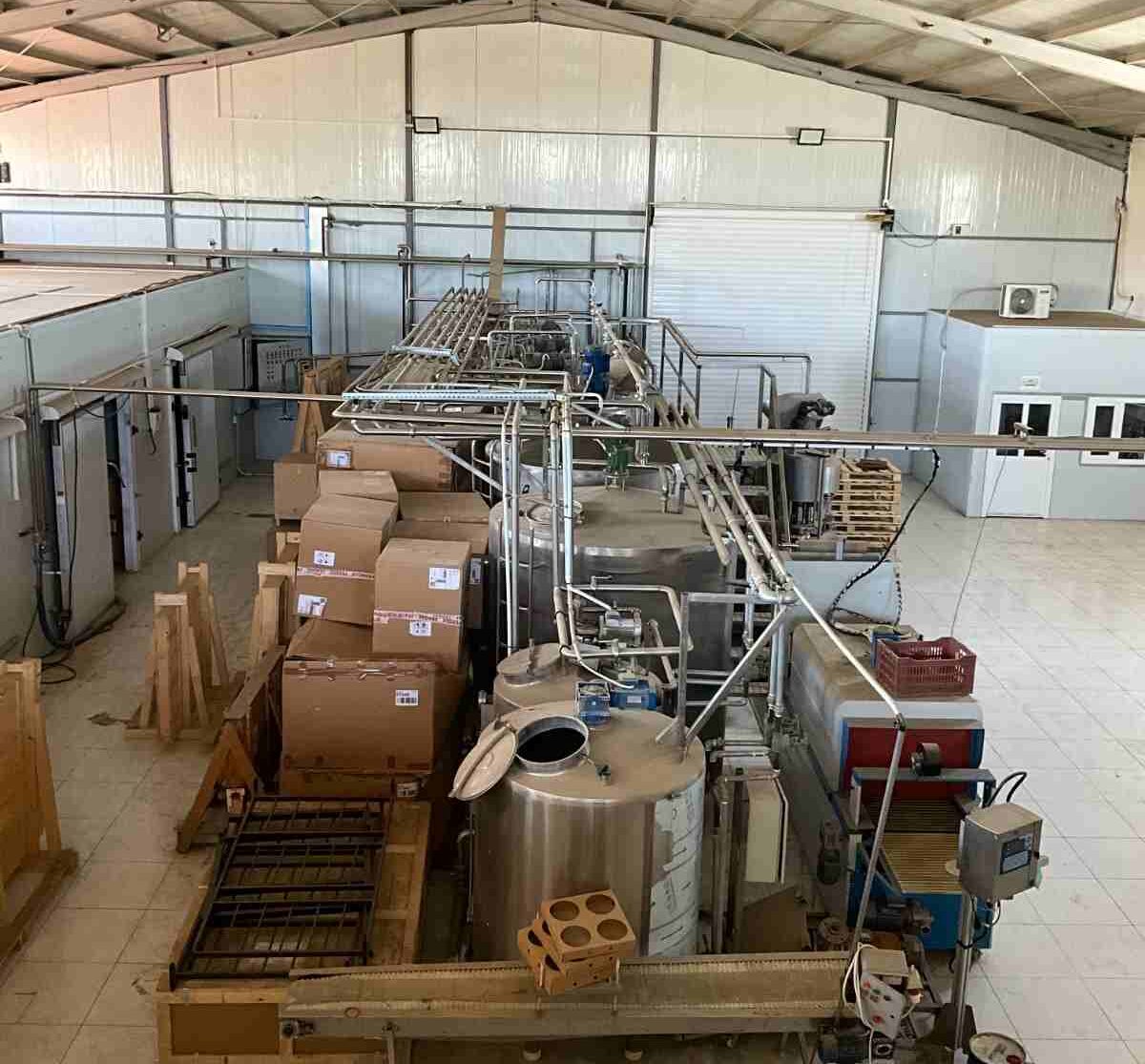
The relocated factory included several packaging machines, including rotary yogurt fillers, a 24-nozzle triblock, shrink packaging equipment, conveyors and printing equipment.
Packaging machinery must be integrated with the upstream process.
A typical sequence can involve:
Processing → Holding → Filling → Closing → Coding → Conveying → Secondary Packaging → Palletizing → Cold Storage
The interface between machines is often where relocation problems become visible.
For example, the filling machine may be mechanically ready but unable to operate because:
- Product pressure is unstable
- Container dimensions have changed
- Conveyor height is incorrect
- Electrical signals are mismatched
- Air pressure is insufficient
- Sensors require repositioning
- PLC logic requires modification
Therefore, dairy production line installation should include interface testing, not just individual machine installation.
8. Electrical, Control and Utility Commissioning
The electrical system is the nervous system of a modern production plant.
The relocated factory required work on:
- Main electrical supply
- Distribution panels
- Motor connections
- Control panels
- Sensors
- Instrumentation
- PLC systems
- Emergency circuits
- Cabling
- Industrial control
- Machine interlocks
Industrial electricians and control technicians should verify every circuit before energization.
Pre-commissioning checks
Before startup, the project team should perform:
- Visual inspection
- Cable identification
- Continuity testing
- Insulation testing
- Earth/ground verification
- Motor rotation checks
- Control-panel inspection
- Sensor verification
- PLC I/O testing
- Safety-interlock testing
Only after these checks should equipment be energized progressively.
The same philosophy applies to refrigeration.
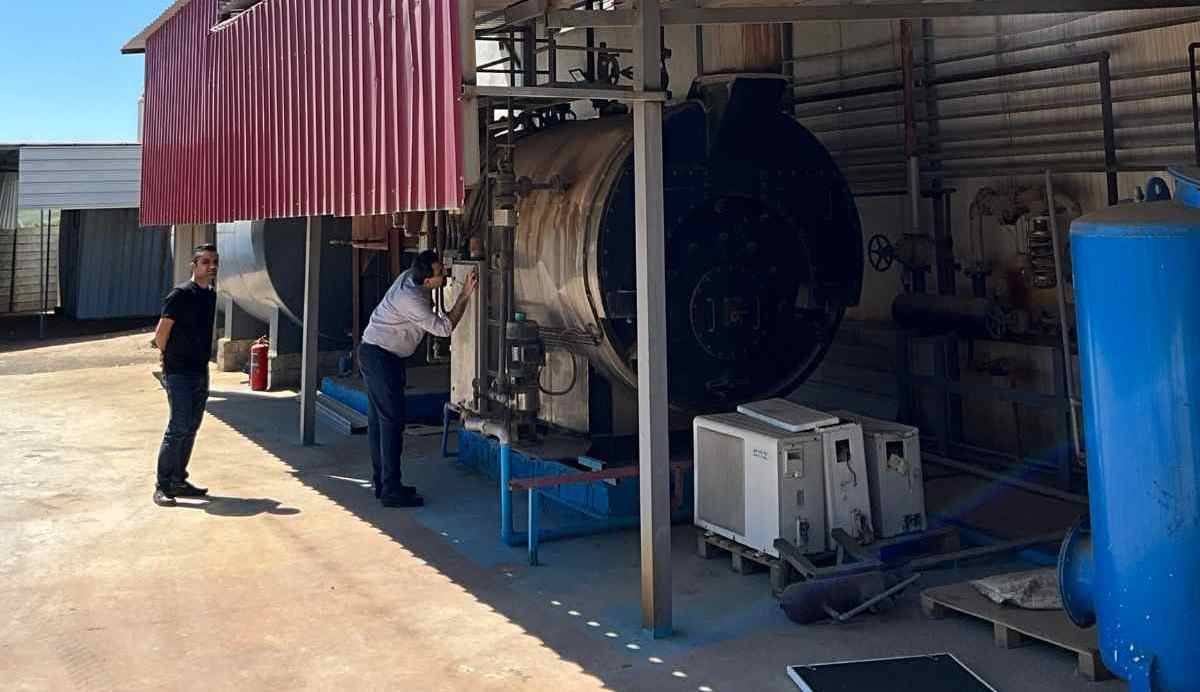
The project equipment included a condenser, chiller, compressor, dryer and low-pressure vessel. Refrigeration systems must be checked as an integrated system because insufficient cooling capacity can affect product quality, storage conditions and production continuity.
9. Testing, Calibration and Commissioning
One of the most important phases of a Dairy Factory Relocation is commissioning.
Commissioning converts an installed collection of machines into a functioning production system.
The process should progress from simple checks to integrated production testing.
Stage 1: Dry commissioning
Equipment is tested without product.
Typical checks include:
- Motor operation
- Pump operation
- Conveyor movement
- Valve operation
- Sensor response
- PLC sequences
- Emergency stops
- Machine interlocks
Stage 2: Utility commissioning
The team verifies:
- Water
- Electricity
- Compressed air
- Heating
- Refrigeration
- CIP
- Drainage
- Process connections
Stage 3: Wet commissioning
Water or appropriate test media are introduced into the process.
This stage helps identify:
- Leaks
- Incorrect valve positions
- Pressure problems
- Flow restrictions
- Pump issues
- Drainage problems
- Control-system errors
Stage 4: Product trial
Only after the previous stages are accepted should the production team move toward product trials.
Instrumentation should be calibrated according to the required accuracy and intended process use.
Calibration records should be maintained for relevant:
- Temperature sensors
- Pressure instruments
- Flow meters
- Scales
- Laboratory instruments
- Process-control devices
10. Food Safety and Hygienic Production
A relocated dairy plant must not be treated as operational simply because the machines are running.
The factory must also be capable of producing safe and consistent food.
ISO 22000:2018 provides requirements for a food safety management system and incorporates HACCP principles and prerequisite programs into a systematic framework. ISO currently identifies ISO 22000:2018 as the published edition, while a new revision is under development.
For a dairy factory, the project team should therefore pay particular attention to:
- Hygienic zoning
- Cleaning procedures
- CIP effectiveness
- Food-contact surfaces
- Cross-contamination prevention
- Water quality
- Personnel hygiene
- Pest control
- Temperature control
- Traceability
- Laboratory testing
- Corrective actions
The Cream Cheese Production Line project demonstrates how process parameters, pasteurization, homogenization and product quality requirements are considered together in dairy processing.
Similarly, the Greek Yogurt Production Line project illustrates the importance of connecting process engineering, equipment selection and production requirements.
11. Laboratory, Quality Control and Product Verification
The laboratory is an essential component of the relocated facility.
A dairy factory cannot rely only on machine operation to confirm product quality.
Depending on the product portfolio and regulatory requirements, laboratory activities can cover:
- Raw milk testing
- Fat content
- Acidity
- pH
- Density
- Microbiological testing
- Product consistency
- Packaging inspection
- Shelf-life evaluation
- Finished-product verification
The quality-control system should connect laboratory results to production parameters.
For example, if product viscosity changes, the investigation should consider formulation, homogenization, fermentation where applicable, temperature, storage and raw-material variation rather than simply adjusting the filler.
This approach is important for establishing repeatable production rather than producing an acceptable batch only by trial and error.
12. Supply Chain After Relocation
A factory relocation is successful only when the new facility can continue production.
That means the project should continue beyond commissioning into supply-chain design.
The required supply chain can include:
- Milk and dairy raw materials
- Cultures and ingredients
- Packaging materials
- Cups
- Lids
- Bottles
- Labels
- Cartons
- Cleaning chemicals
- Spare parts
- Maintenance materials
Sahi Rasa's Supply Chain and industrial product portfolio can be connected to projects where ongoing sourcing, procurement and logistics are part of the operating model.
For regional factories, supply-chain planning can also become important across borders. Industrial projects in Iraq and the Kurdistan Region can require coordination with suppliers in Iran and other regional markets, while similar models may apply to projects serving Afghanistan, Uzbekistan, Tajikistan, Armenia, Georgia, Turkmenistan, Oman, Jordan and Syria.
The objective is not simply to find the cheapest supplier. It is to establish a reliable supply chain based on:
- Technical specification
- Quality
- Lead time
- Minimum order quantity
- Storage requirements
- Transportation
- Customs
- Supplier reliability
- Production continuity
13. Branding, Packaging and Market Preparation
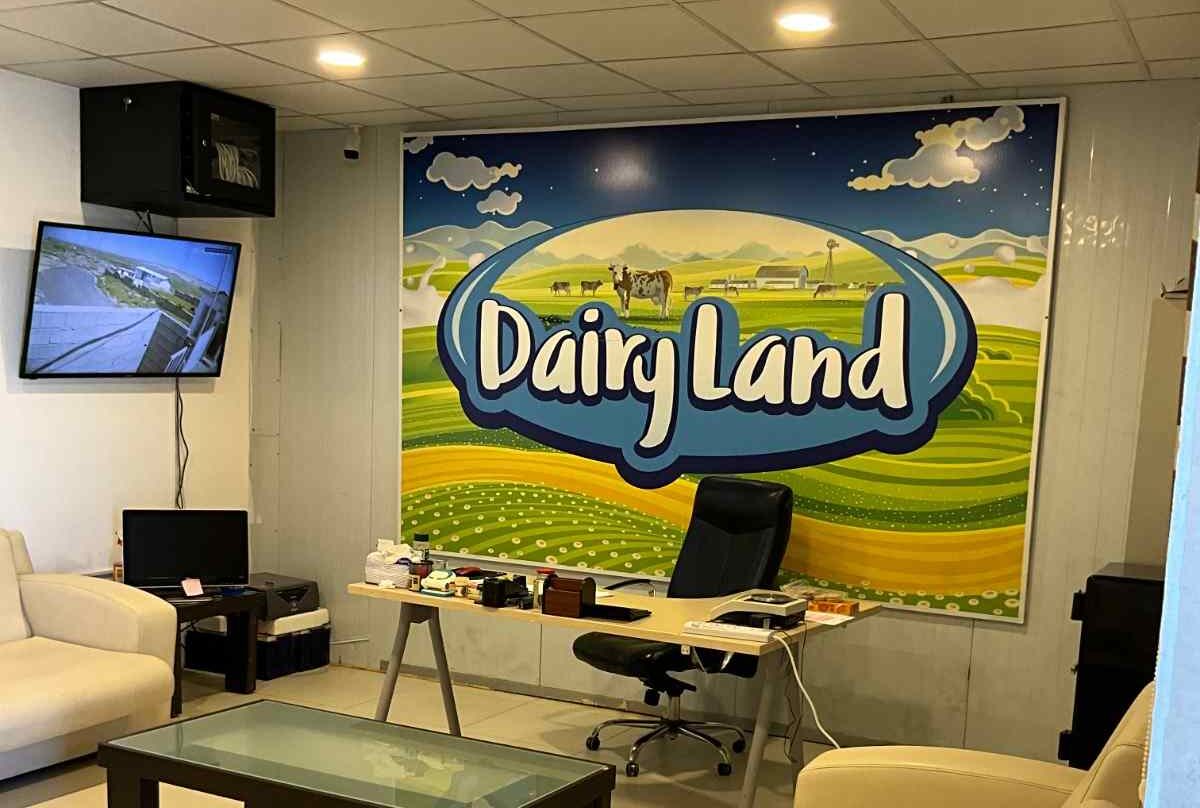
One distinctive part of this project was that Sahi Rasa's scope extended beyond the physical relocation of the factory.
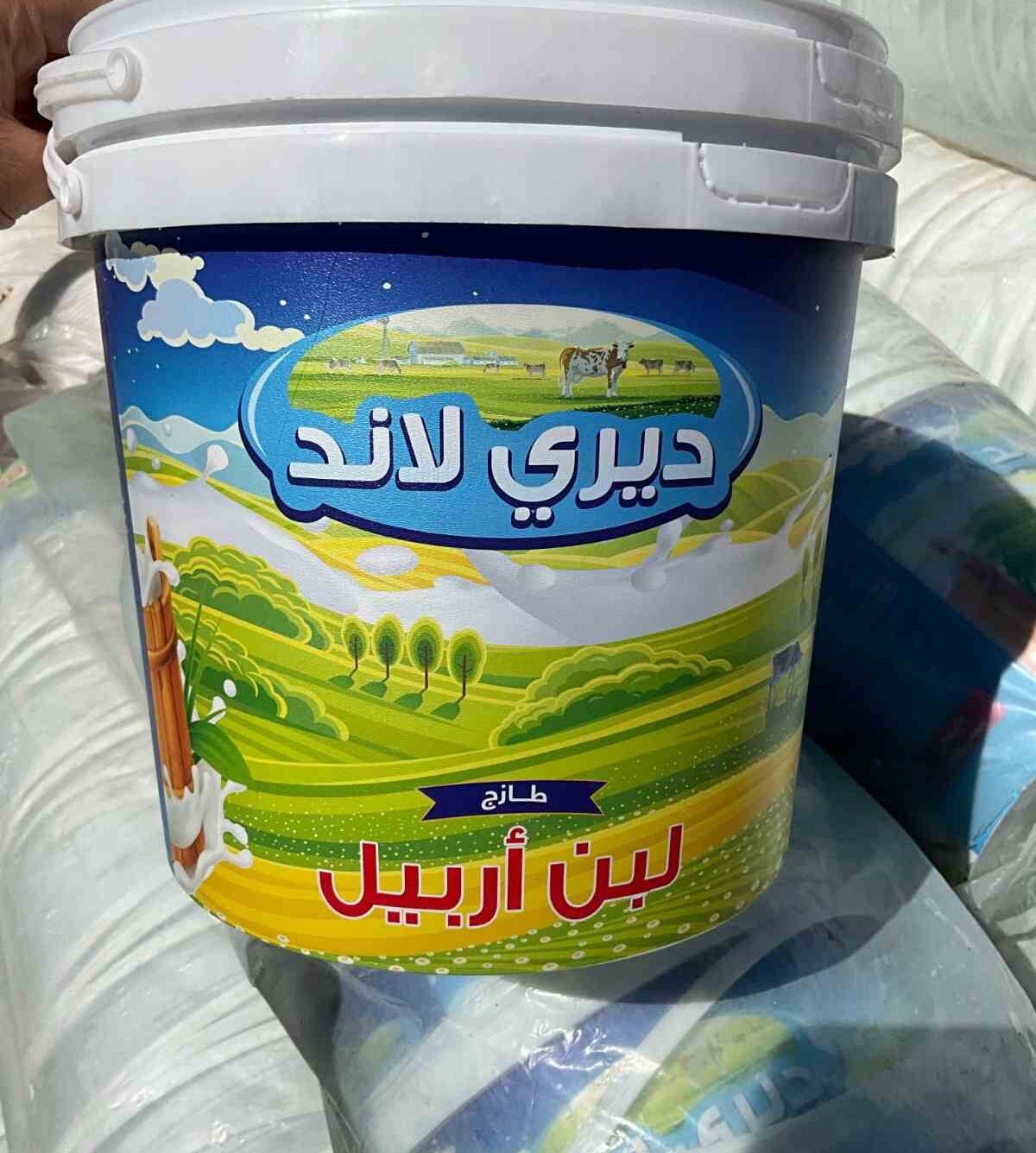
The project also included rebranding and marketing preparation.
Once the production infrastructure is operational, the commercial side of the factory must be aligned with the manufacturing system.
This can involve:
Brand identity
- Logo development
- Visual identity
- Product naming
- Brand guidelines
Packaging
- Packaging structure
- Label design
- Product information
- Visual hierarchy
- Printing specifications
- Packaging compatibility with filling equipment
Product presentation
Packaging must not be designed independently from production.
The dimensions, material, closure system and labeling method should be compatible with the filling and packaging equipment.
For example, a change in cup geometry can affect filler tooling, conveyor guides, sealing parameters and packaging performance.
This is why engineering and branding should communicate during product development.
14. Production Trial and Cost Analysis
After mechanical, electrical and process commissioning, the factory enters the production-trial phase.
The objective is to establish repeatable manufacturing conditions.
The trial should measure:
- Production capacity
- Downtime
- Material consumption
- Energy consumption
- Labor requirements
- Packaging consumption
- Waste
- Yield
- Product quality
- Equipment efficiency
Cost of production
A realistic production cost model should include:
Raw Materials + Packaging + Energy + Labor + Maintenance + Logistics + Waste + Overhead = Production Cost
This calculation is important because a technically functional factory can still be commercially inefficient.
The production team should therefore establish a baseline cost per unit and compare actual results with the expected business model.
15. Production Management and Personnel Training
The final component of the project is the people who operate the factory.
Sahi Rasa's scope included training and support for local production, maintenance and management personnel, consistent with the broader project experience documented in its company resume and project experience.
Training should cover:
Production personnel
- Machine operation
- Process sequence
- Product handling
- Cleaning
- Changeover
- Basic troubleshooting
Maintenance personnel
- Preventive maintenance
- Lubrication
- Mechanical inspection
- Electrical troubleshooting
- Instrumentation
- Spare-parts management
Quality personnel
- Sampling
- Laboratory procedures
- Product release
- Documentation
- Non-conformity management
Management
- Production planning
- Raw-material planning
- Cost control
- Maintenance planning
- Quality KPIs
- Inventory
- Sales and market coordination
Training is most effective when it is performed directly on the operating equipment and supported by documented SOPs.
What Makes a Dairy Factory Relocation Successful?
A successful Dairy Factory Relocation should be measured by more than the number of machines transported.
The project should ultimately answer five questions:
- Was every critical asset moved safely?
- Was the production line correctly reinstalled and integrated?
- Can the factory produce consistently at the required quality?
- Are utilities, maintenance, quality and supply chain operational?
- Can the local team operate the facility independently?
If the answer to these questions is yes, the relocation has moved beyond transportation and become a genuine industrial restart.
This distinction is particularly important in food-processing projects because a production line contains multiple interconnected systems. The failure of one utility, sensor, valve, pump, cooling circuit or packaging interface can stop the entire operation.
Sahi Rasa's Approach to Industrial Factory Relocation
The Erbil-to-Sulaymaniyah dairy project illustrates Sahi Rasa's approach to industrial projects: treat the factory as an integrated system rather than as a collection of machines.
The project scope covered:
- Factory assessment
- Engineering planning
- Equipment identification
- Mechanical dismantling
- Electrical dismantling
- Loading and logistics
- Transportation
- Landing and positioning
- New-site preparation
- Mechanical installation
- Thermal and refrigeration systems
- Electrical power and control
- Process piping
- Packaging machinery
- Testing
- Calibration
- Commissioning
- Raw-material supply
- Packaging
- Branding
- Visual identity
- Production trials
- Cost analysis
- Production planning
- Quality control
- Personnel training
This integrated model reduces the number of interfaces between separate contractors and gives the project manager greater control over schedule, technical coordination and commissioning.
Sahi Rasa's wider industrial project portfolio includes food and dairy-related projects in addition to industrial engineering, equipment supply and turnkey implementation.
Conclusion: From Factory Relocation to Operational Production
A dairy factory cannot be relocated successfully by transportation alone.
A professional Dairy Factory Relocation begins with engineering assessment and asset documentation. It continues through controlled dismantling, equipment protection, logistics, destination-site preparation, mechanical and electrical installation, utility integration, commissioning, calibration and production trials.
The project becomes complete only when the production team can manufacture a consistent product with controlled quality, reliable utilities, available raw materials, appropriate packaging, trained personnel and a defined operating model.
The relocation from Erbil to the Kalar area of Sulaymaniyah demonstrates this broader approach. Sahi Rasa's role extended from moving the physical production infrastructure to preparing the relocated factory for renewed operation, supply-chain continuity, branding and market readiness.
For companies considering a factory relocation in Iraq, the Kurdistan Region or other regional markets, the key engineering question is therefore not simply “How do we move the machinery?”
The better question is:
“How do we move the entire production capability and restart it safely, efficiently and commercially?”
That requires engineering, project management, logistics, commissioning, supply-chain planning and operational knowledge to work as one integrated project.
For further reference, the Sahi Rasa project portfolio and industrial equipment and products provide additional examples of the company's technical and industrial capabilities.