EPC & PMC, Industrial Design

Design, Fabrication, and Turnkey Implementation of an Industrial HVAC System with Air Washers and Spiral Ducts for a Factory in Iraq

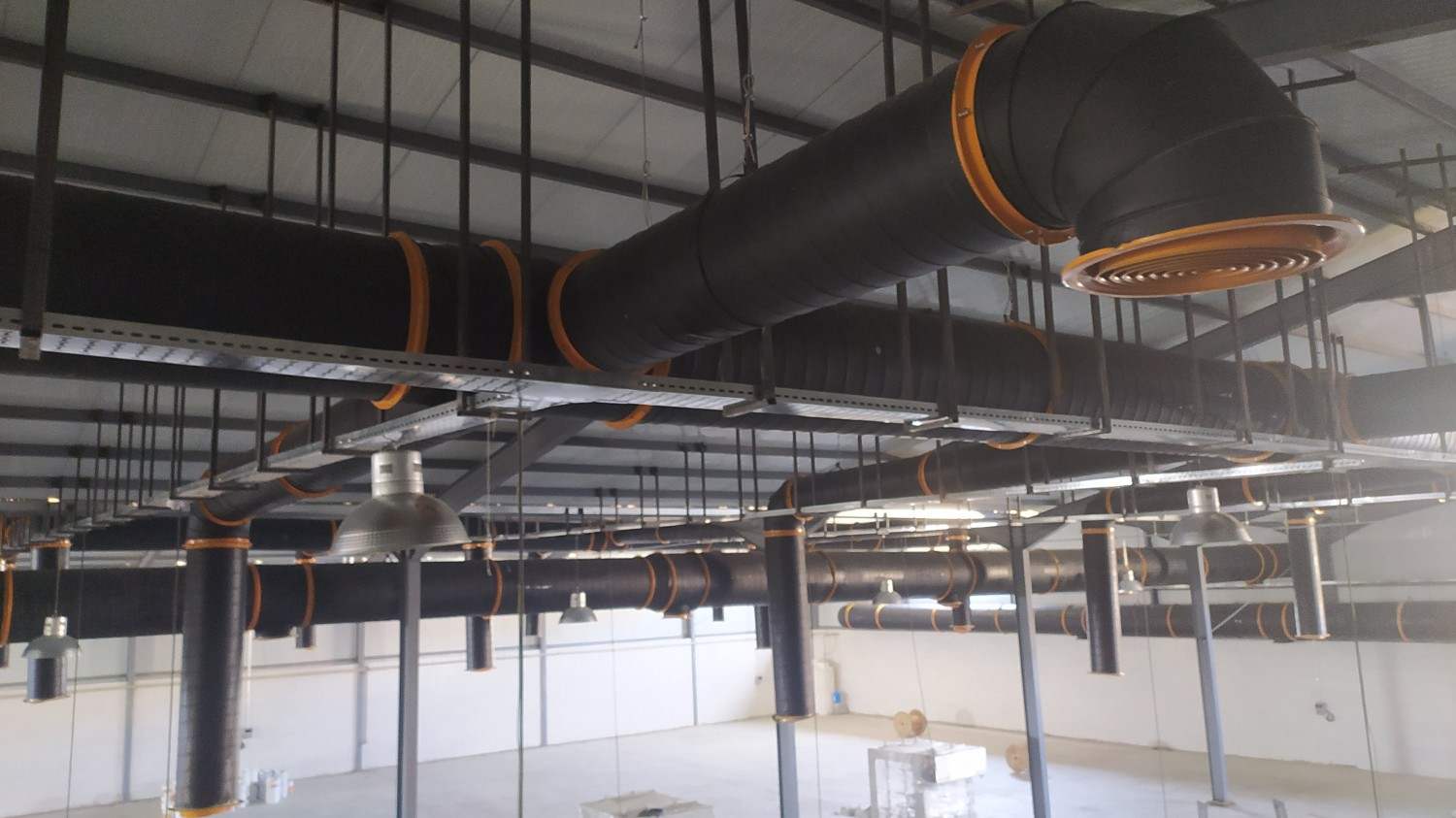
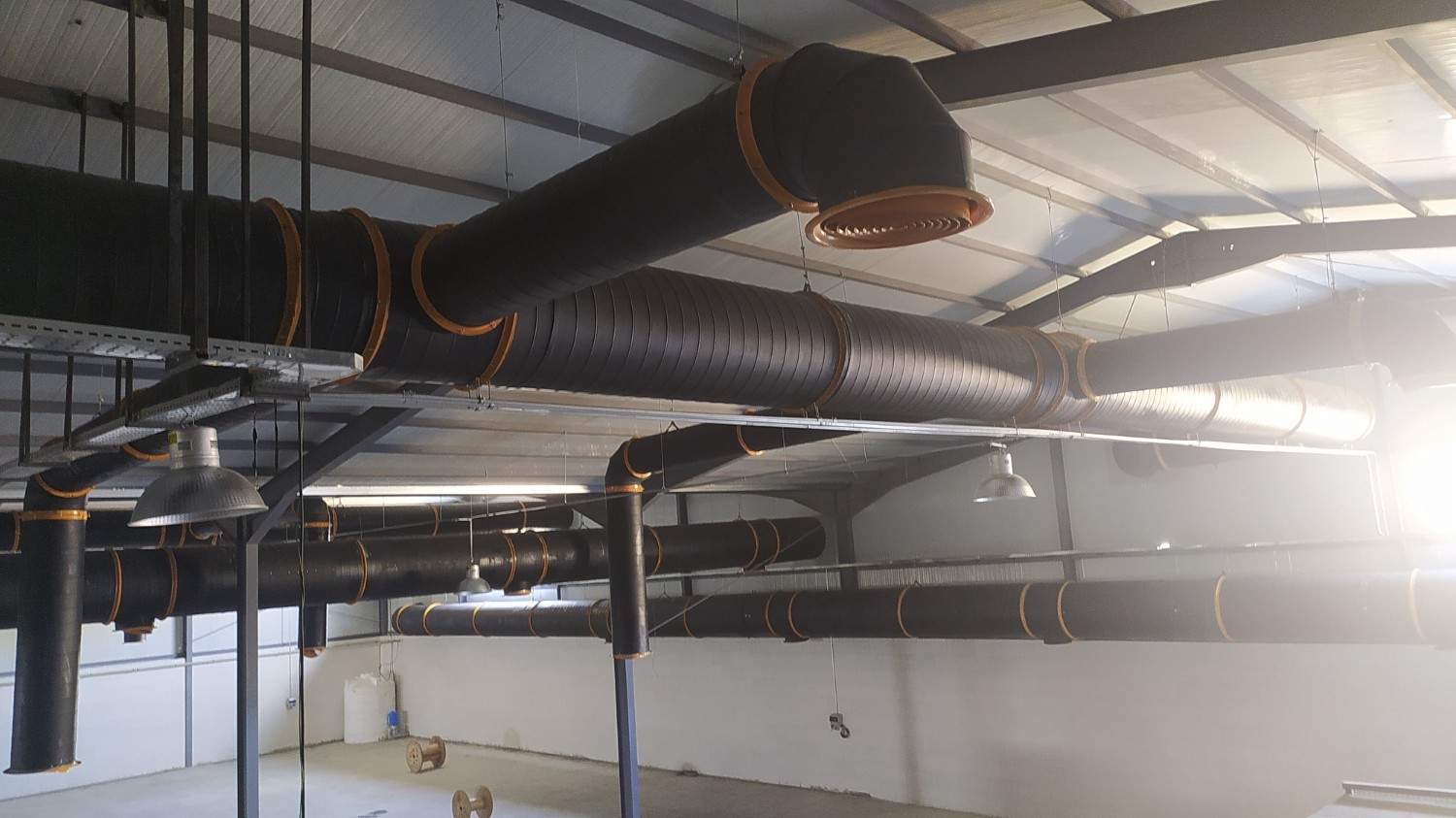
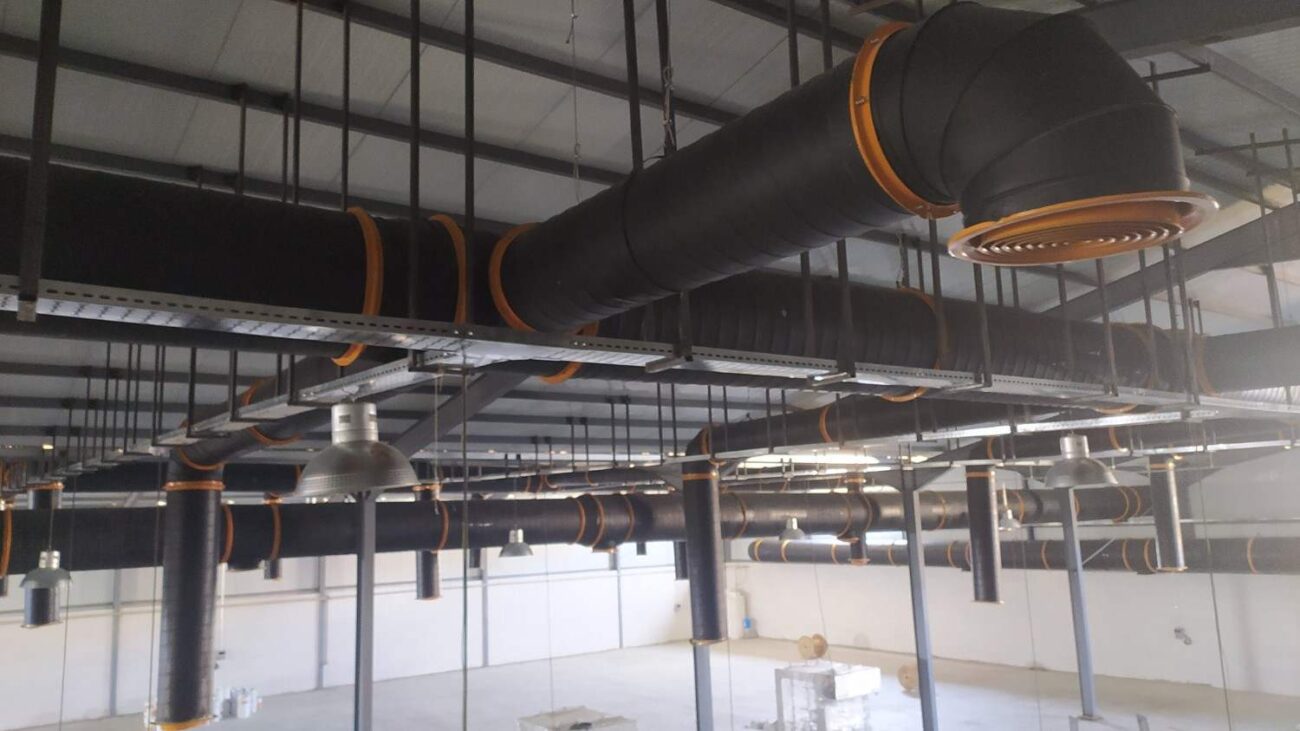
Conditioned air from the air washers is distributed through a network of spiral ducts. Spiral (round) ductwork was selected for its lower pressure drop, higher structural rigidity, faster installation, and cleaner appearance compared with traditional rectangular duct systems.

In the hot and dry industrial climate of Iraq, precise control of temperature and air quality inside production halls and office areas is a critical factor for workforce productivity, equipment reliability, and overall operational efficiency. Sahi Rasa Trade Engineering Company, leveraging the capabilities of its Industrial Department and integrated EPC & PMC services, successfully executed a complete turnkey ventilation project for a factory in Iraq—from detailed engineering and equipment manufacturing in Iran through logistics, installation, and final commissioning.

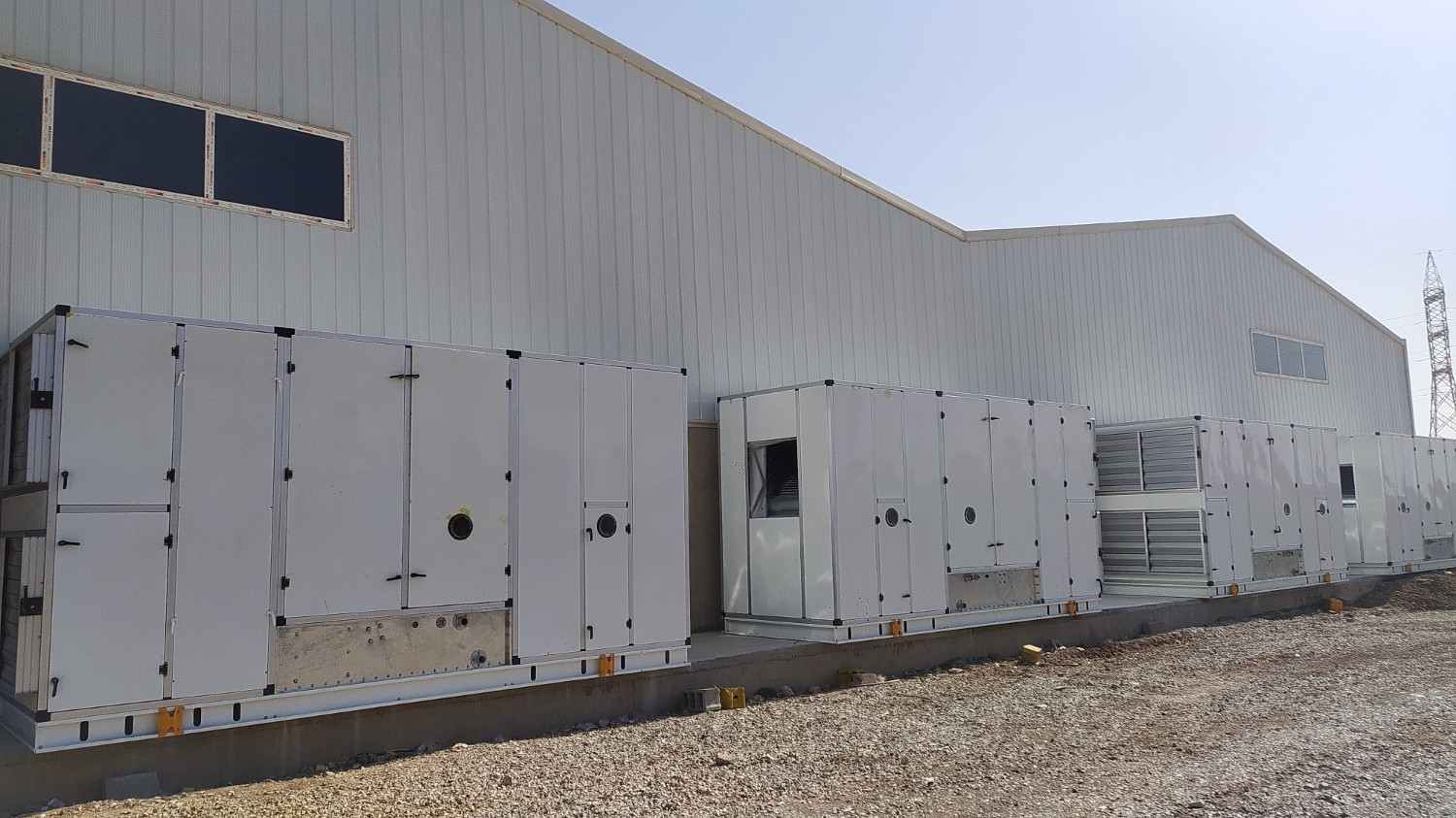
The scope included the design and fabrication of four industrial air washers, a complete spiral duct distribution network, connection to the existing boiler for winter heating, and connection to a chilled-water circuit for enhanced summer cooling. The ultimate objective was uniform distribution of conditioned air throughout the entire production hall and office section with minimal pressure drop and optimized energy consumption.

Technical Project Report by the Industrial Engineering and Project Management Team of Sahi Rasa

Technical Principles of Cooling and Heating with Air Washers

An air washer (also known as an air scrubber or evaporative cooler unit) operates on the principle of direct evaporative cooling. In this adiabatic process, hot, dry incoming air comes into intimate contact with sprayed water. The latent heat of vaporization is extracted from the airstream, lowering the dry-bulb temperature while increasing relative humidity. The wet-bulb temperature remains essentially constant.

Summer cooling sequence:

  • Ambient air is drawn into the unit by the supply fan.
  • Primary filters remove a significant portion of airborne particulates.
  • A recirculation pump delivers water from the sump to spray nozzles.
  • Fine water droplets create a large surface area for simultaneous heat and mass transfer.
  • The cooled, humidified, and cleaned air exits into the distribution ductwork.

Air washers are classified by the ratio of water flow to airflow (Class 4, 6, or 8). Higher classes provide greater humidification and temperature reduction. For industrial halls, Class 6 or 8 is typically selected to achieve an optimal balance between cooling capacity and humidity control.

For winter heating, a hot-water coil (usually copper tubes with aluminum or copper fins) is installed in the airstream. Hot water from the boiler circulates through the coil, raising the air temperature to the desired supply condition. Water spraying can remain active for controlled humidification or be deactivated as needed. This dual-mode capability makes the air washer a cost-effective, four-season solution for large industrial spaces—particularly advantageous compared with fully refrigerated systems that carry higher capital and operating costs.

Key advantages realized in this project:

  • Significantly lower energy consumption than chiller-based AHU systems
  • Natural air washing and particulate removal
  • High-volume fresh-air supply
  • Simultaneous connectivity to both boiler and chilled-water circuits
  • Relatively simple maintenance and readily available components


Conditioned air from the air washers is distributed through a network of spiral ducts. Spiral (round) ductwork was selected for its lower pressure drop, higher structural rigidity, faster installation, and cleaner appearance compared with traditional rectangular duct systems.

Design of Four Industrial Air Washers

The Sahi Rasa engineering team determined the required capacity of each unit based on detailed heat-load calculations for the production hall, occupied volume, air-change rates, local climatic data in Iraq, and the specific requirements of the office area. Design deliverables included:

  • Selection of appropriate class and airflow rate (CFM)
  • Calculation of heating-coil surface area and capacity
  • Determination of fan motor power and static pressure to overcome duct system resistance
  • Detailed design of the spray chamber, nozzles, sump, recirculation pump, and water-level control system
  • Provision for connection to a chilled-water circuit to boost summer cooling performance

All fabrication drawings, material specifications, motor ratings, and component standards were prepared in accordance with industrial norms and released to the manufacturing workshop. This phase formed part of Sahi Rasa’s integrated EPC & PMC delivery model, covering the full continuum from concept to operational handover.

Fabrication in Iran and Logistics to Iraq

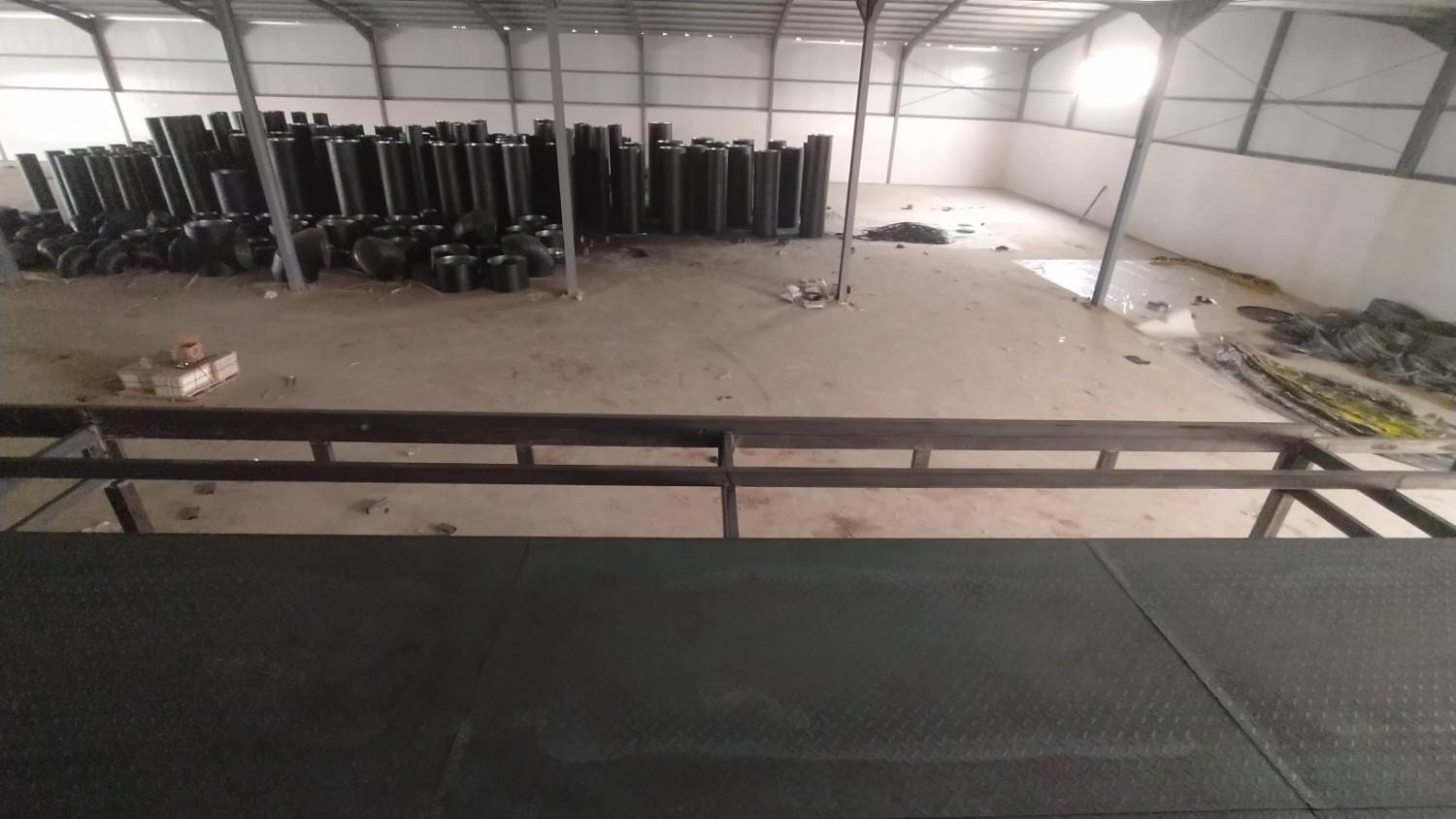
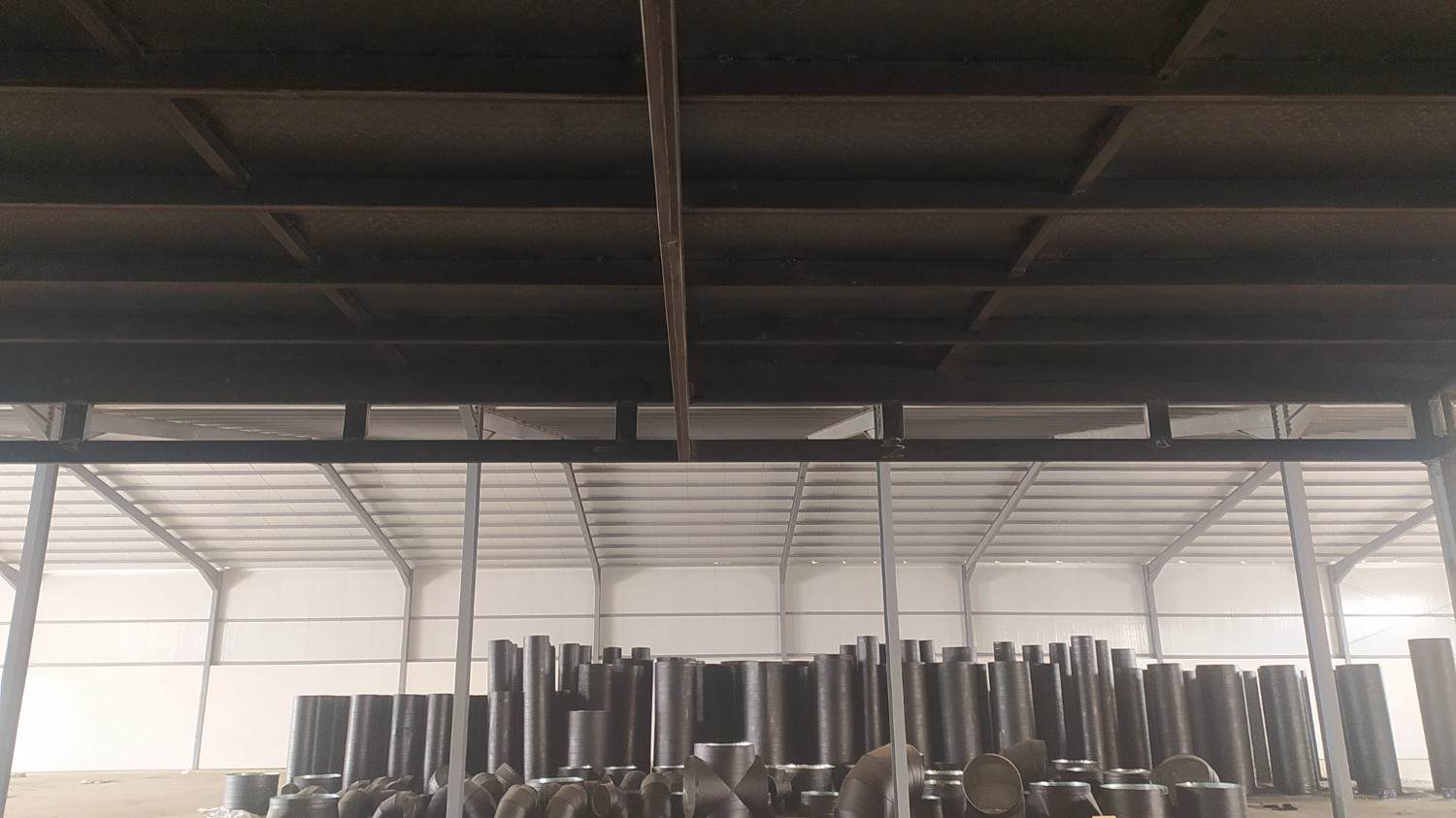
The four air washers were manufactured under the supervision of the Sahi Rasa industrial team in Iran. Construction features included galvanized sheet-metal casings with appropriate thickness and anti-corrosion coating, robust structural frames, accessible spray chambers for maintenance, high-efficiency centrifugal or axial fans, and standardized electrical control systems. After factory acceptance tests (leakage, pump performance, fan balance, and airflow measurement), the units were carefully packed and transported to the project site in Iraq.

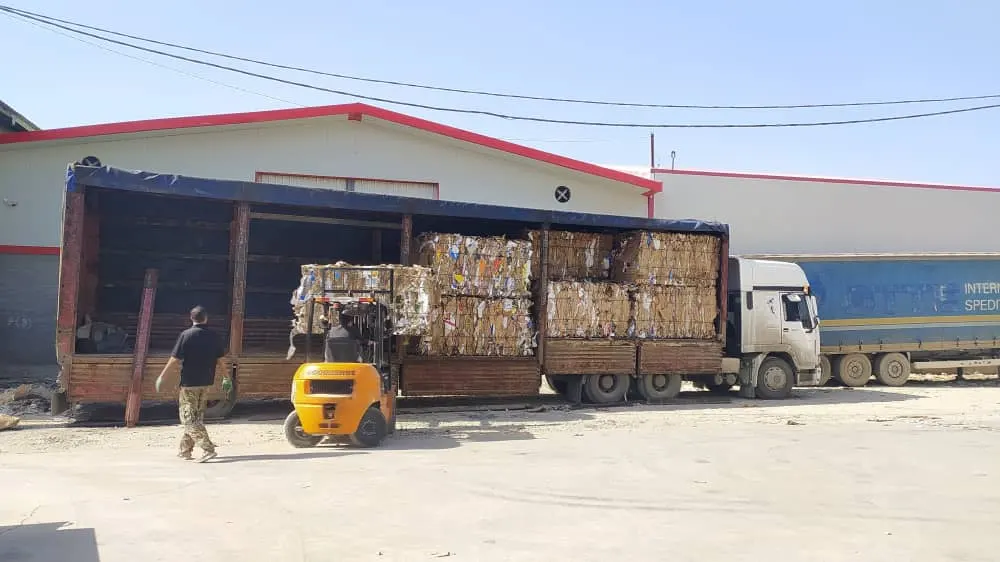
Cross-border logistics coordination and customs clearance form part of Sahi Rasa’s established supply-chain capability, already proven on previous projects in the region.

Installation, Boiler Connection, and Chilled-Water Integration

On site, the Sahi Rasa installation team erected the units on prepared foundations. Critical steps included:

  • Precise leveling and structural anchoring
  • Connection of inlet and outlet ductwork
  • Piping of chilled-water and hot-water circuits (linkage to the existing factory boiler for winter operation and to the chilled-water loop for summer)
  • Installation of pumps, control valves, strainers, and water-level sensors
  • Electrical wiring and control-panel commissioning
  • Leak testing, airflow balancing, and final performance verification

Connection to the boiler enabled uniform warm-air supply during the heating season, while the chilled-water connection enhanced cooling capacity and efficiency in summer. This hybrid configuration provides high operational flexibility.

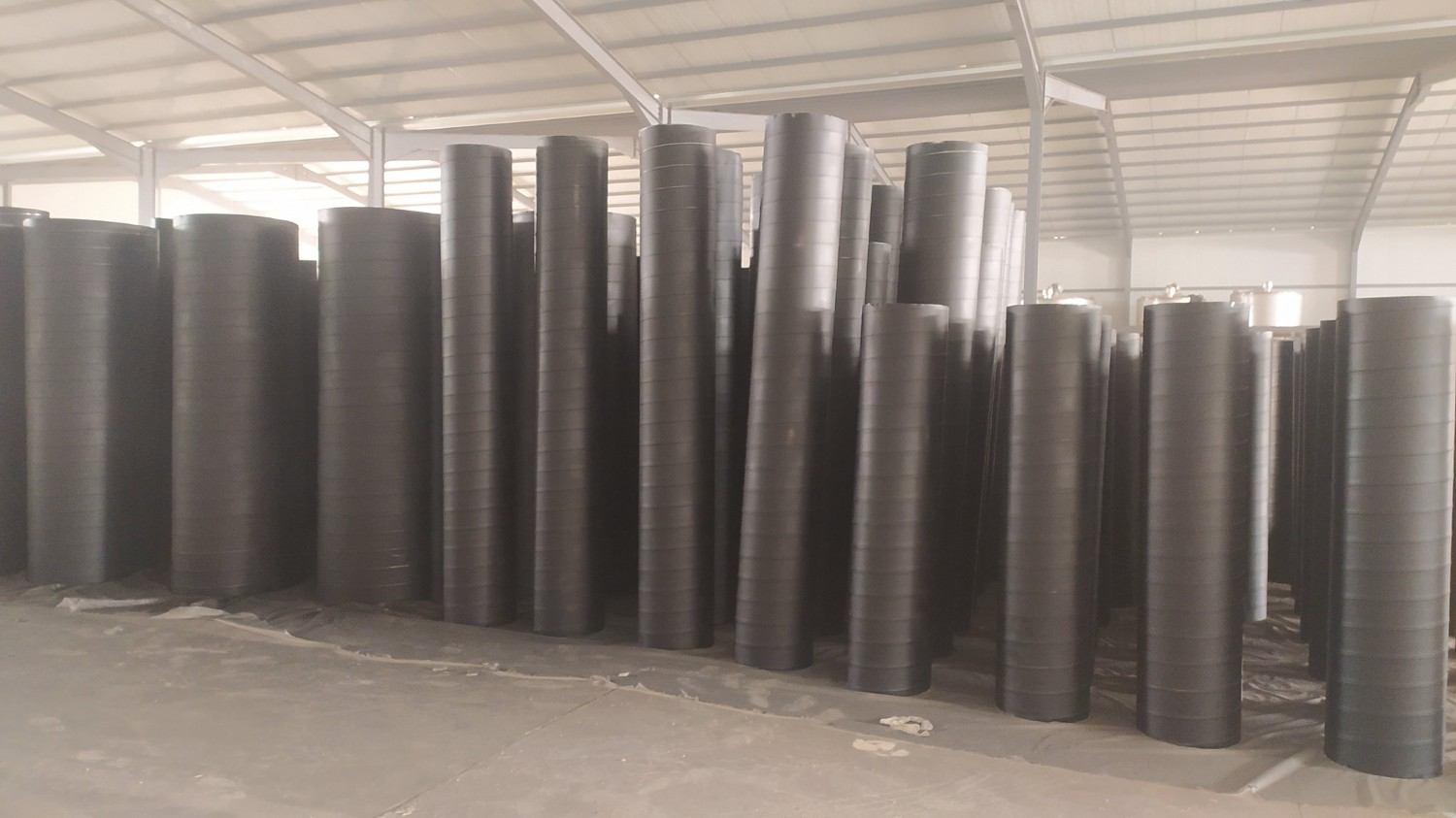
Design, Fabrication, Painting, and Overhead Installation of Spiral Ducts

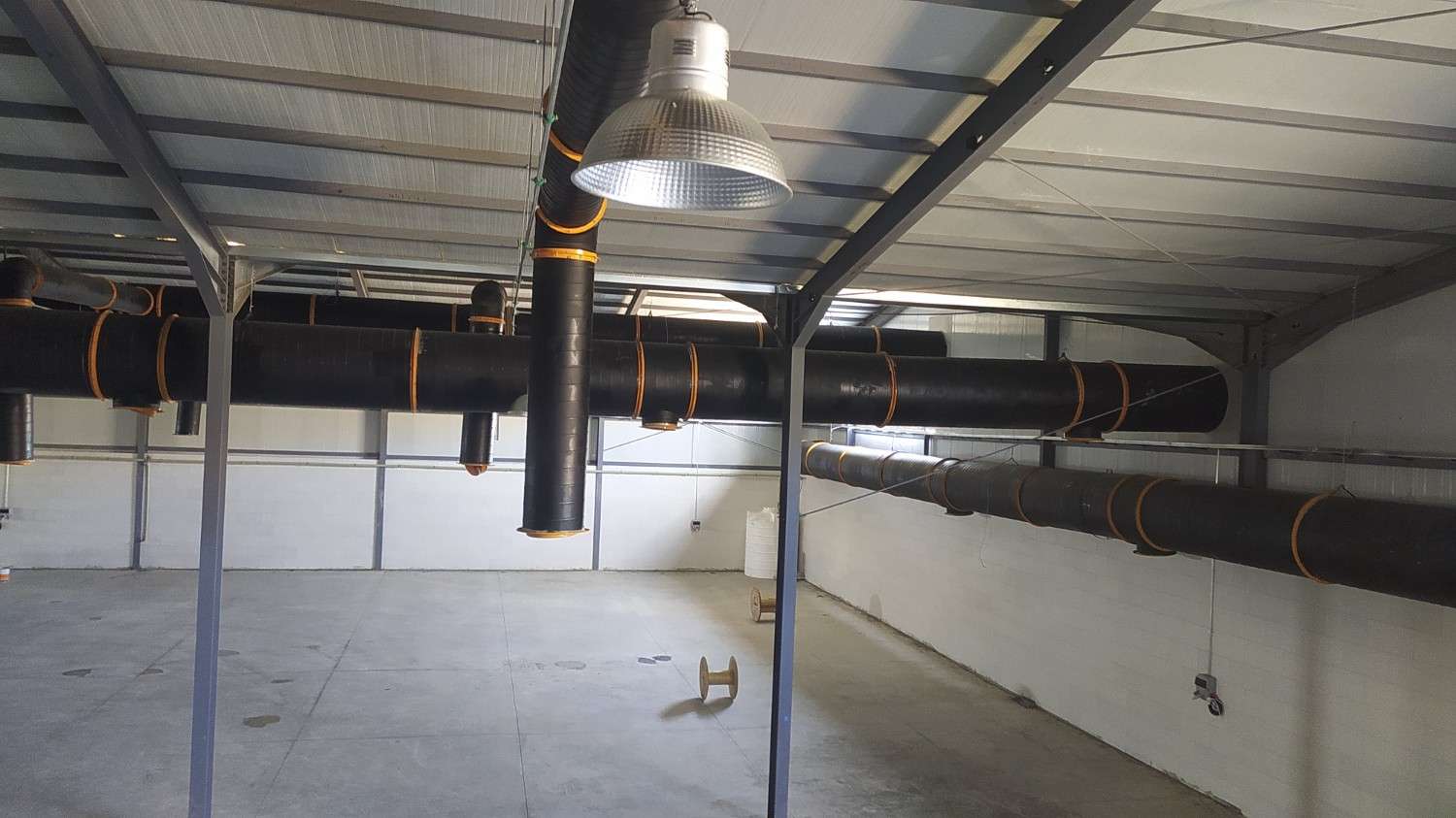
Conditioned air from the air washers is distributed through a network of spiral ducts. Spiral (round) ductwork was selected for its lower pressure drop, higher structural rigidity, faster installation, and cleaner appearance compared with traditional rectangular duct systems.

Key design principles applied:

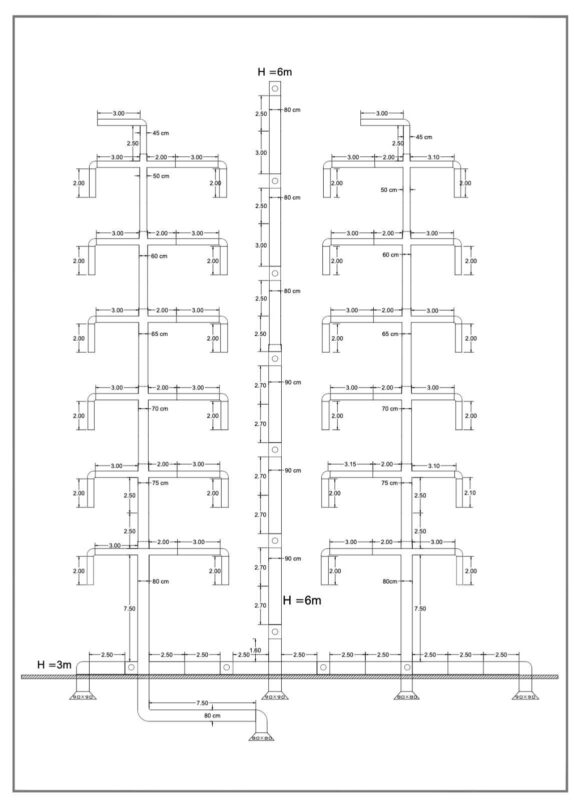
  • Calculation of total airflow and branch distribution
  • Selection of diameters based on recommended air velocities (typically 8–12 m/s in main ducts and lower in branches to control noise)
  • Pressure-drop calculations using standard methods (Darcy-Weisbach or ASHRAE charts)
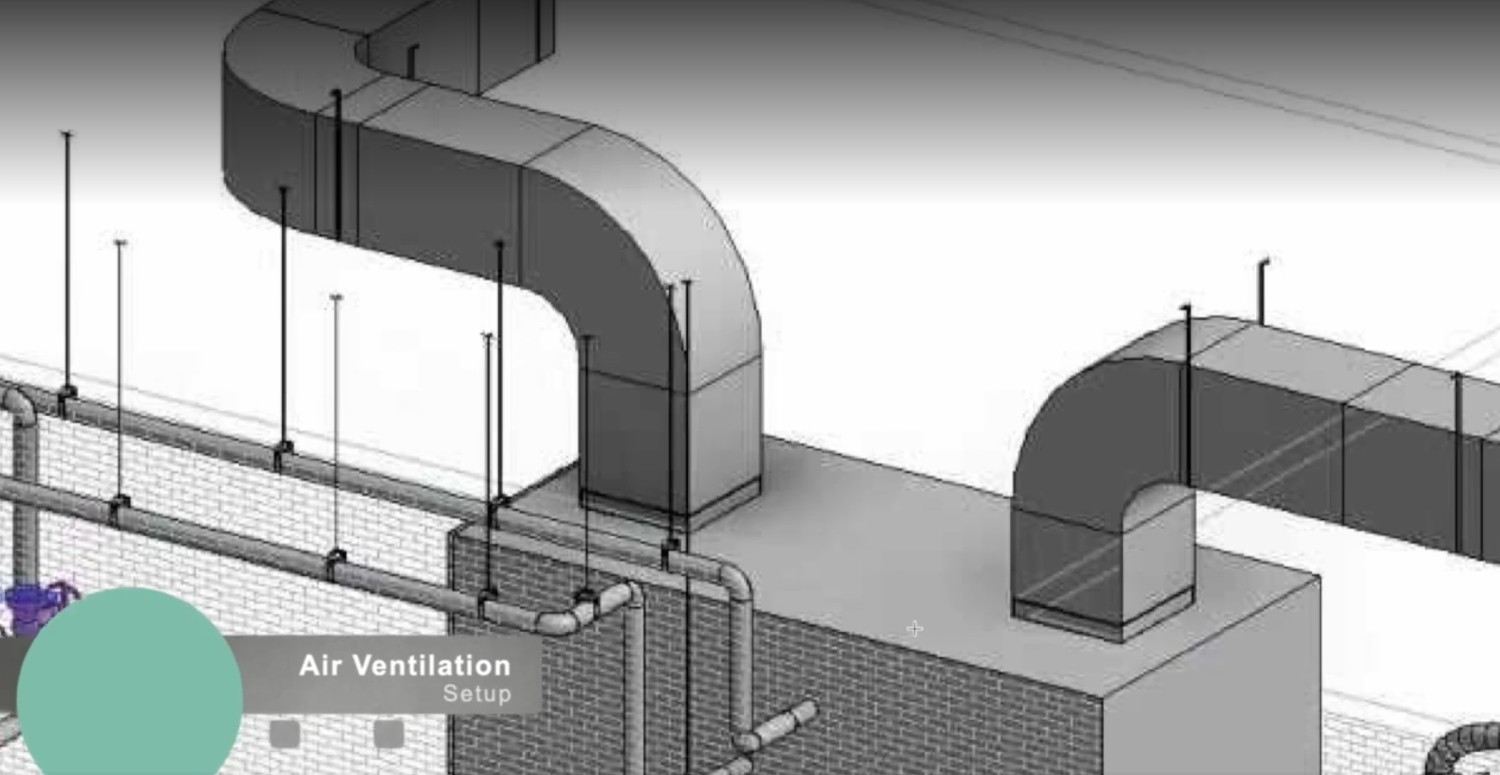
  • Layout optimization to minimize sharp elbows, utilizing 45° tees, smooth transitions, and gradual reducers
  • Allowance for thermal expansion and provision of appropriate ceiling hangers and supports

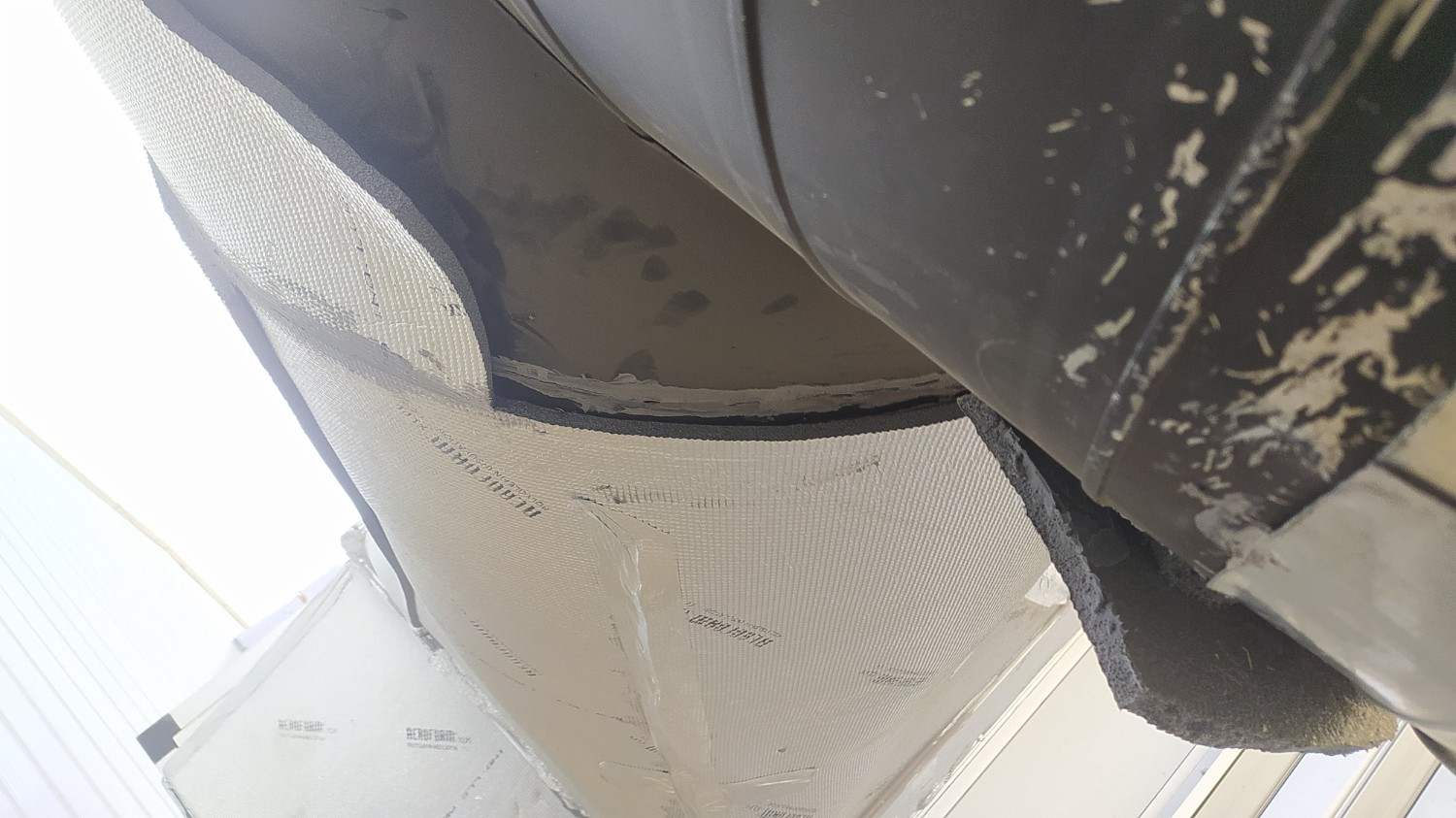
The ducts were fabricated from galvanized steel with spiral lock seams, industrially painted for corrosion and moisture resistance, and installed overhead in the production hall and office ceiling. Overhead routing frees floor space, improves accessibility for maintenance, and supports more uniform air distribution.

Supply grilles and manual or automatic dampers were fitted to enable precise airflow balancing across all zones.

Project Management and the Integrated Sahi Rasa Approach

This project exemplifies end-to-end delivery under the EPC/PMC model. The Sahi Rasa team assumed full responsibility for engineering coordination, manufacturing quality, international logistics, site installation, and performance testing—thereby minimizing schedule risk, interface conflicts, and quality deviations. Previous experience with industrial shed construction and process equipment projects in Iraq provided a solid foundation for successful execution.

For industrial investors and plant managers in Iraq and the wider region seeking economical, energy-efficient, and reliable ventilation solutions, this integrated approach delivers value well beyond simple equipment supply.

Conclusion and Invitation to Collaborate

The successful implementation of an air-washer-based ventilation system with spiral duct distribution at this Iraqi factory demonstrates that precise engineering design, high-quality fabrication in Iran, and professional project management can create a sustainable, energy-optimized industrial environment. Sahi Rasa stands ready to evaluate similar requirements for industrial HVAC systems, process equipment, and complete turnkey projects.

For technical consultation, review of comparable reference projects, or initiation of a new assignment, contact the Sahi Rasa Industrial Department via the Industrial Department page or the EPC & PMC services page. Additional project references from Iraq can be found on the Sahi Rasa Blog.

Sahi Rasa Trade Engineering Company
From concept to operational delivery

Conditioned air from the air washers is distributed through a network of spiral ducts. Spiral (round) ductwork was selected for its lower pressure drop, higher structural rigidity, faster installation, and cleaner appearance compared with traditional rectangular duct systems.

Leave a Reply

Your email address will not be published. Required fields are marked *