Detailed Description of the Operational Process
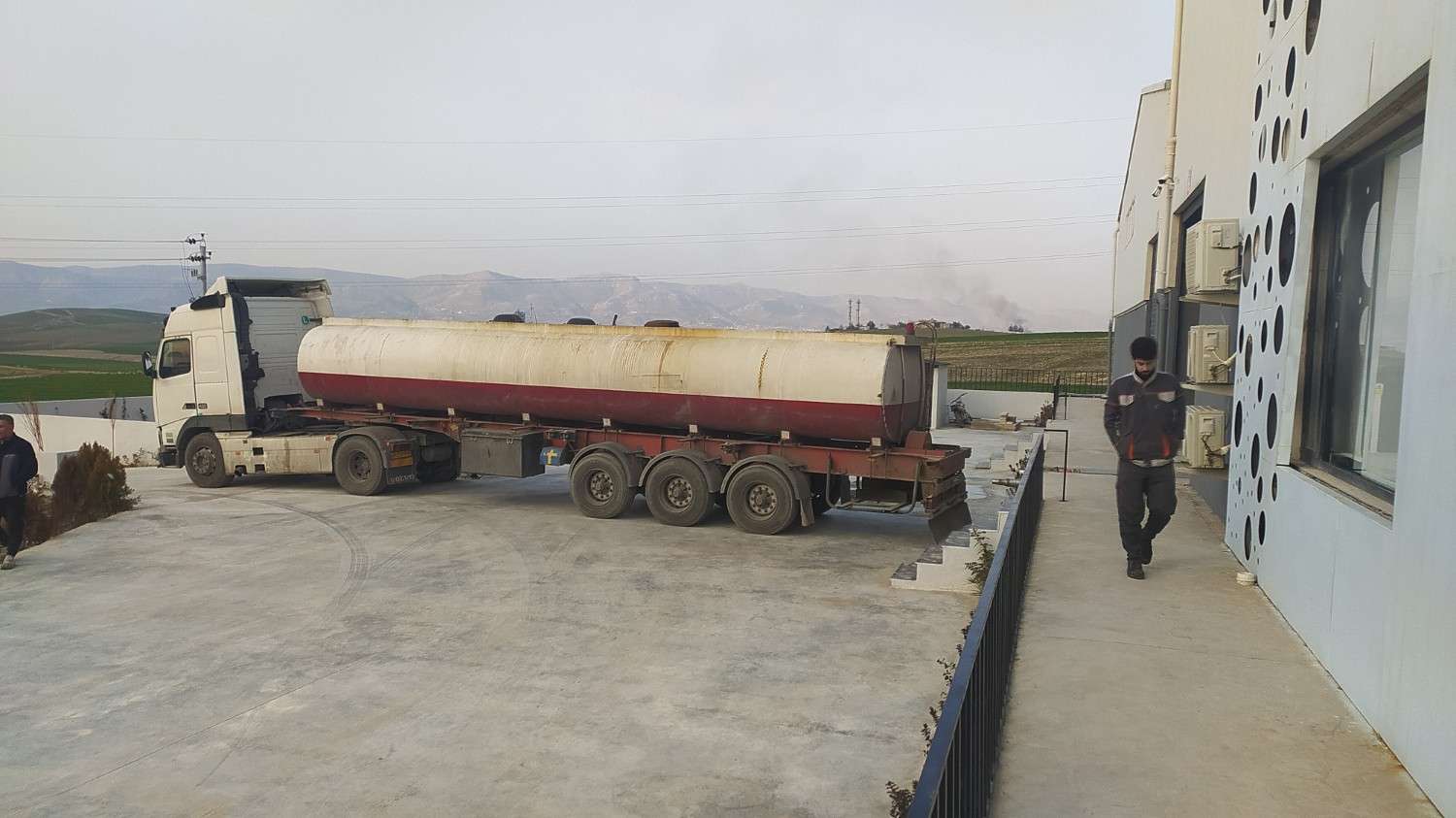
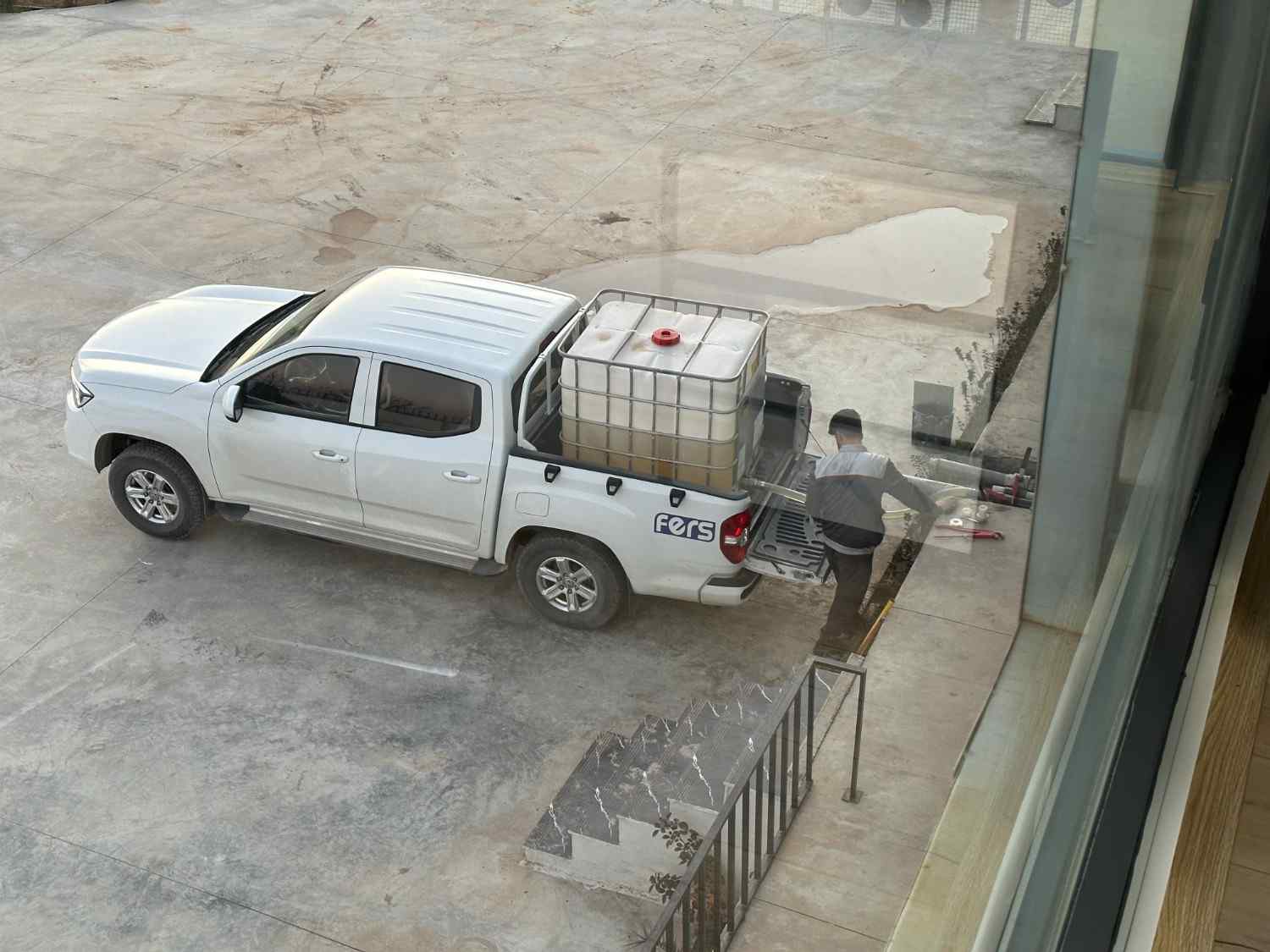
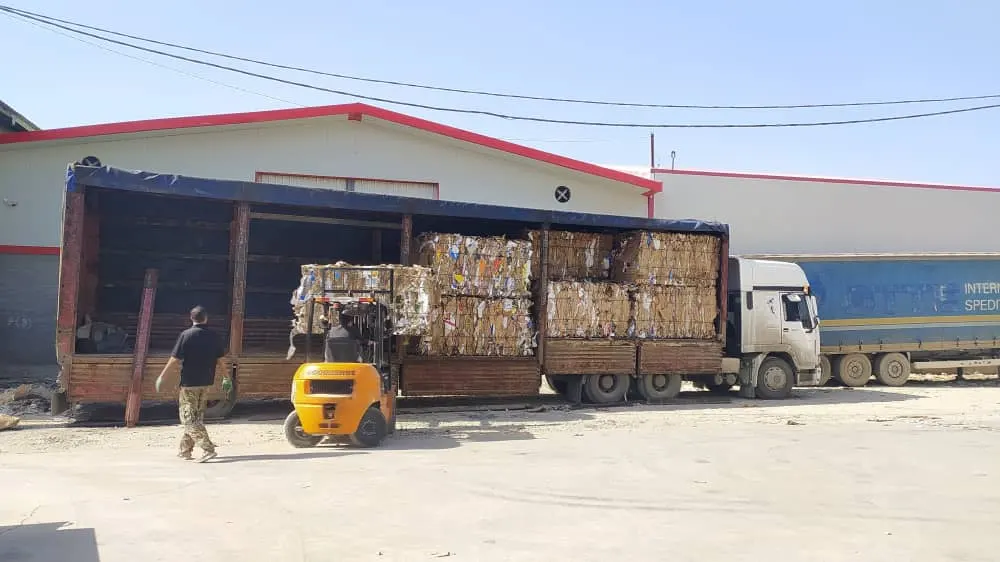
The process begins with the arrival of bulk raw materials. The materials required for household liquid detergent production include Texapon (SLES), various acids, concentrated bleach, alcohol, ammonia, fragrances, water, and other formulation components. These materials are transported to the factory site by tanker trucks.
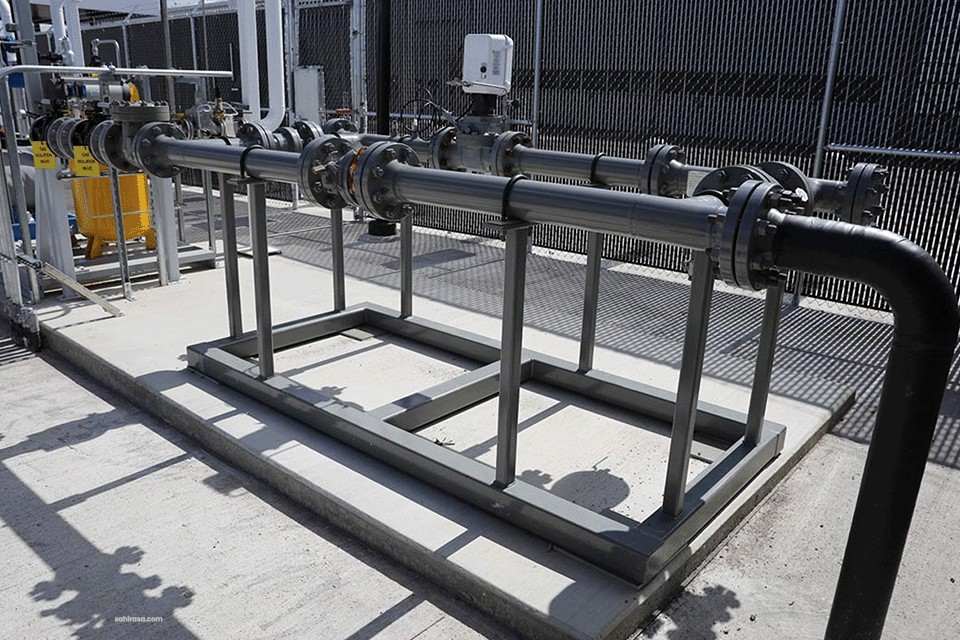
Prior to shipment, Sahi Rasa’s Supply Chain Department in Iran is responsible for procurement, quality control, and ensuring that the materials fully match the factory’s product formulations. After quality approval, the materials are loaded, exported, and delivered to Iraq. At the factory, unloading from the tankers takes place through designed connections in the piping system, and the materials are transferred directly into the storage tanks.
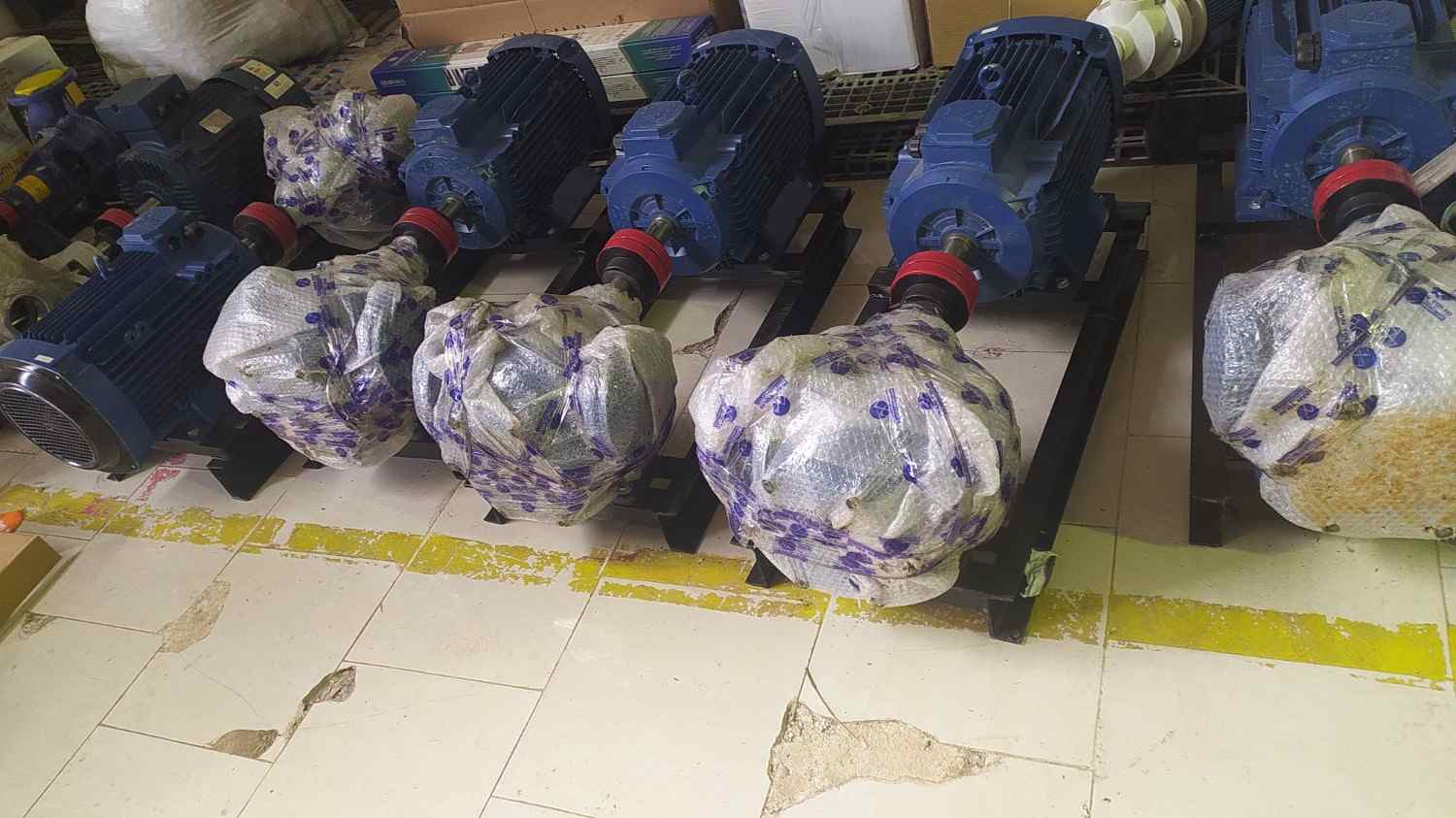
Thick and high-viscosity materials are moved using specialized thick-liquid pumps. These pumps were selected according to fluid viscosity, required flow rate, system head, and corrosion resistance to ensure transfer without excessive pressure drop and without damaging the molecular structure of the materials.
Storage tanks were selected and connected to the piping network according to chemical compatibility and process requirements:
- Polyethylene tanks for materials compatible with this material and not requiring high corrosion resistance
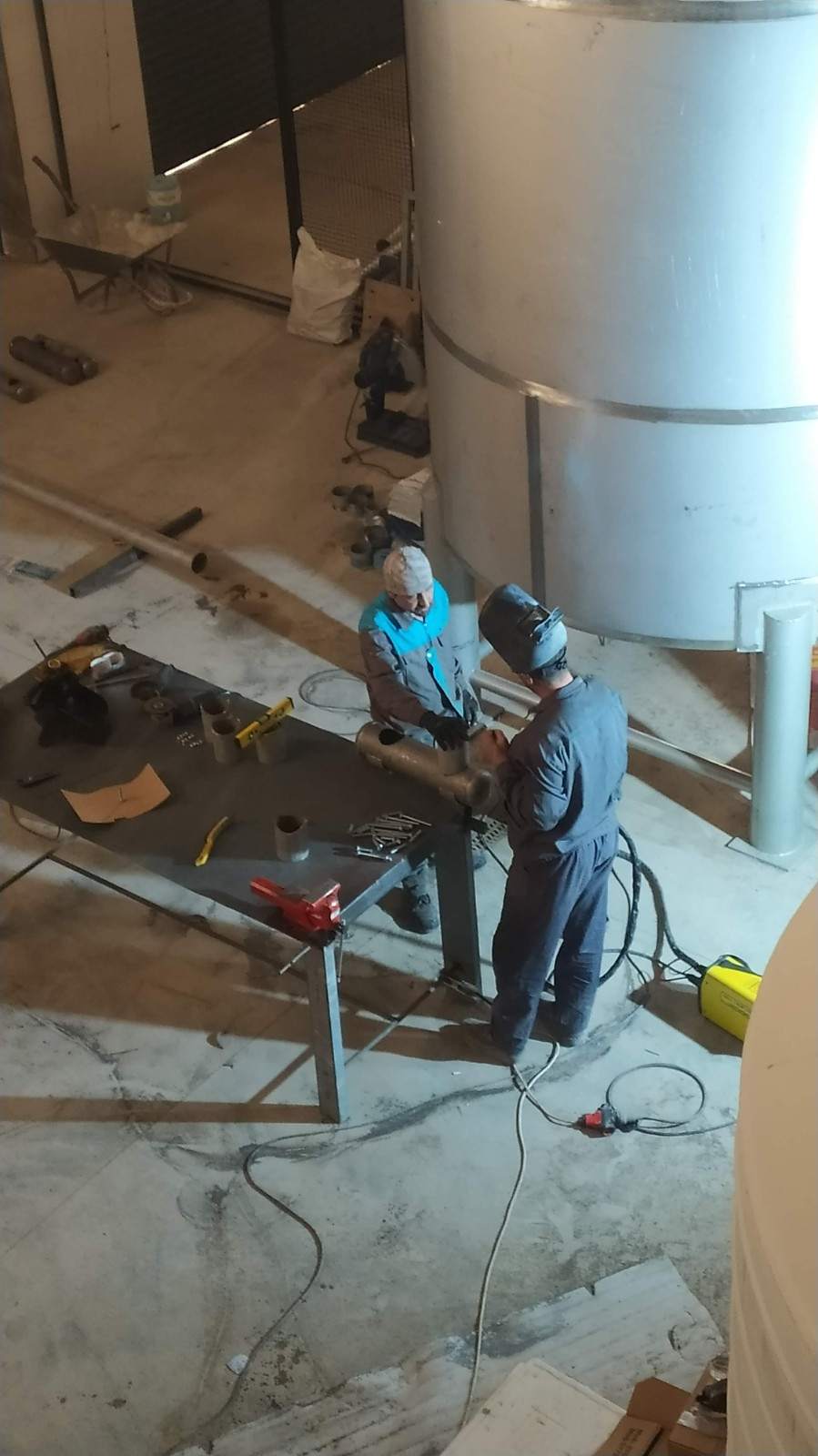
- Stainless steel tanks for corrosive, sensitive, or hygiene-critical materials
- Jacketed stainless steel tanks for materials that require temperature control to prevent viscosity changes or unwanted reactions
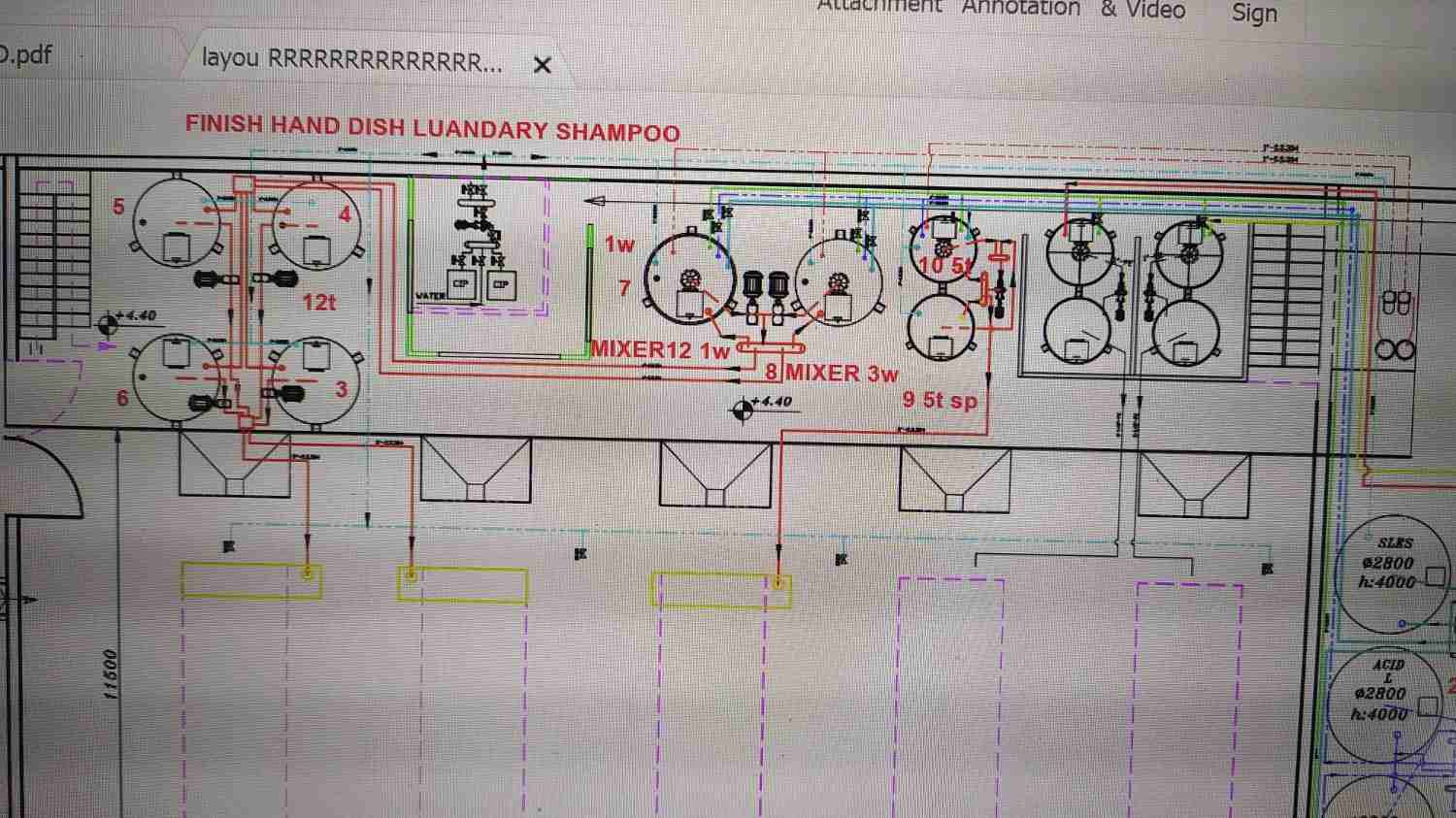
After storage, the SCADA system issues transfer commands to the process tanks based on pre-defined formulas and production instructions. Precise volumetric or weight-based transfer at this stage is critical, as any deviation can affect the final formulation. Once mixing is completed in the process tanks, the finished product is sent to the production line through the piping network.
At the end of each production cycle, the CIP system activates fully automatically. It circulates cleaning solutions through designated paths, cleans the tanks and lines, and ensures the system is ready for the next batch. The piping design minimized dead legs so that cleaning could be performed with high efficiency.
Technical and Smart Features of the Designed System
One of the key strengths of this project is the intelligentization of the piping system. The design allows operators to program and control all routes, valves, and pumps through the Human-Machine Interface (HMI). Remote monitoring and control capability was also incorporated so that managers can check system status even when off-site.
The system continuously records the consumption of each material and the remaining inventory in the tanks, generating a report after every cycle. This accurate reporting supports inventory management, purchasing planning, waste reduction, and operational cost optimization.
From an engineering perspective, special attention was given to the following points:
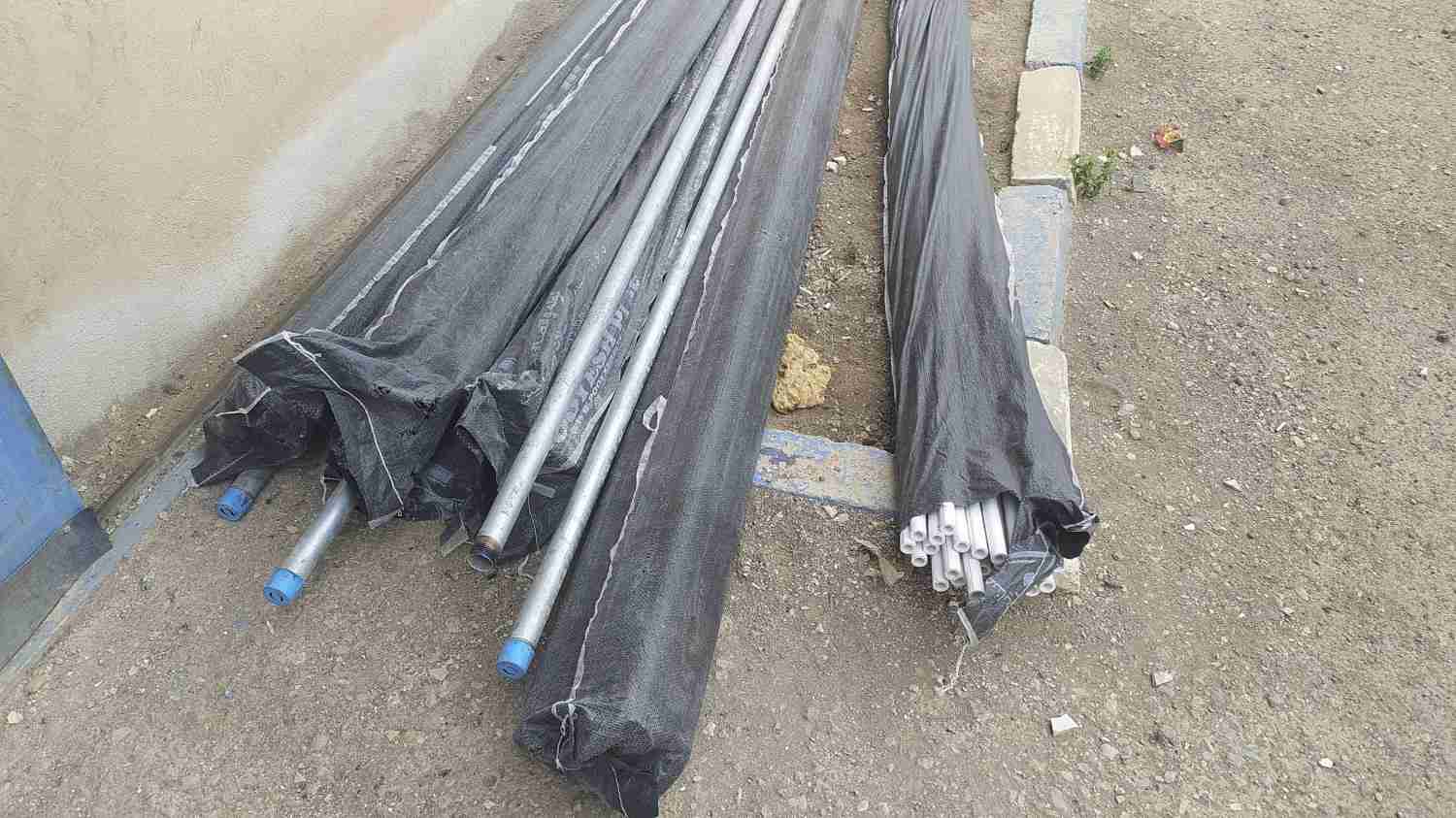
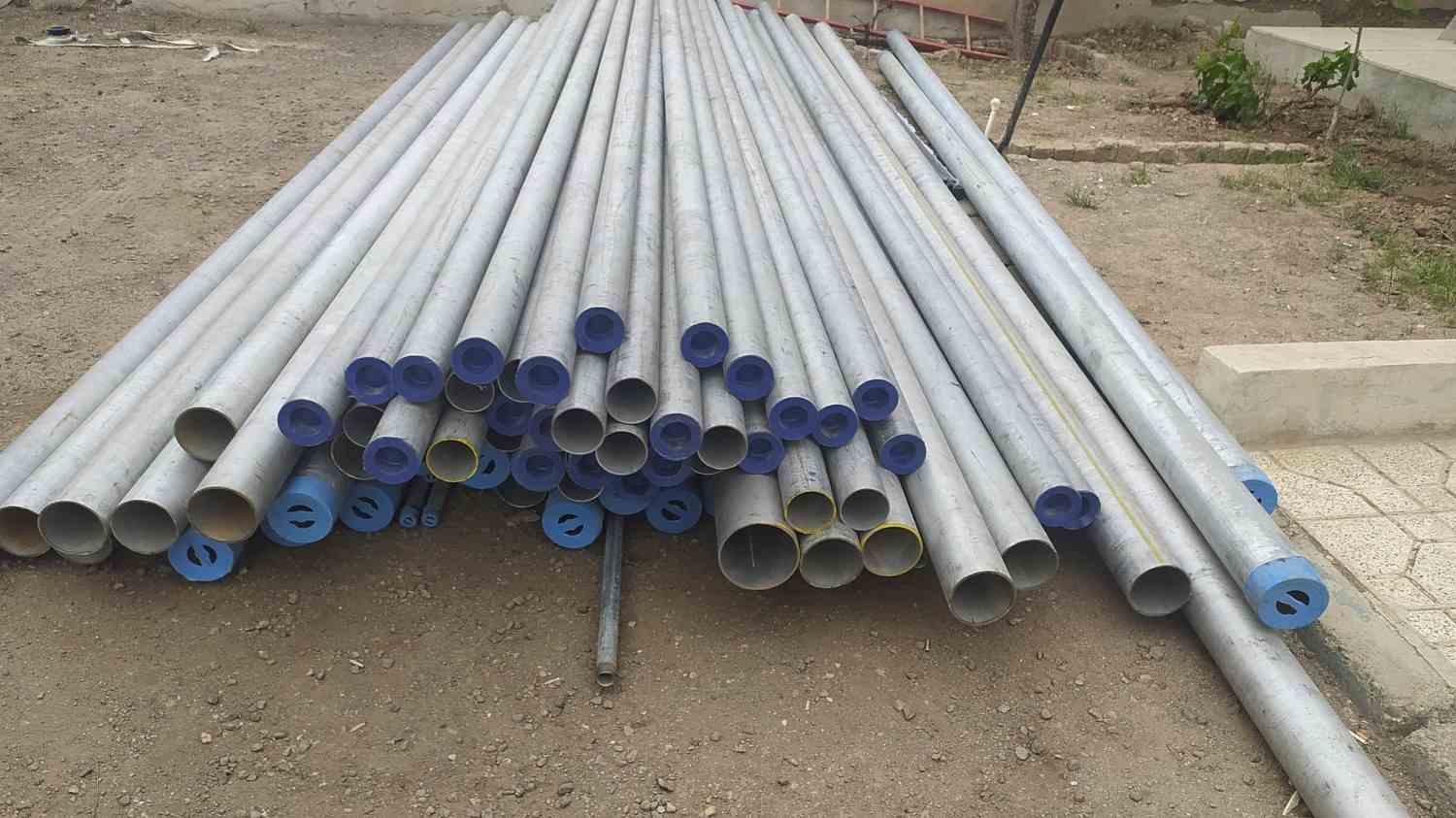
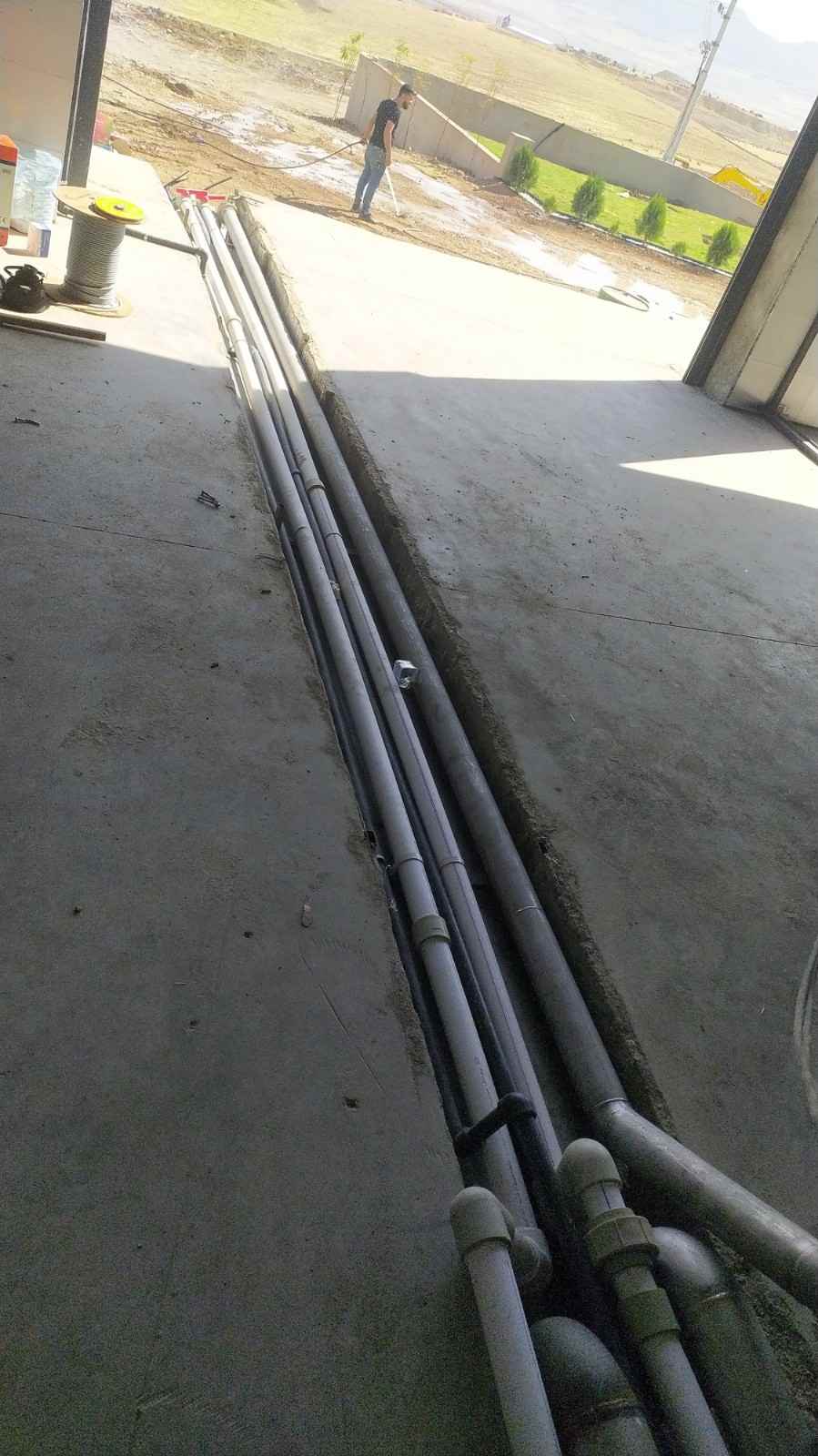
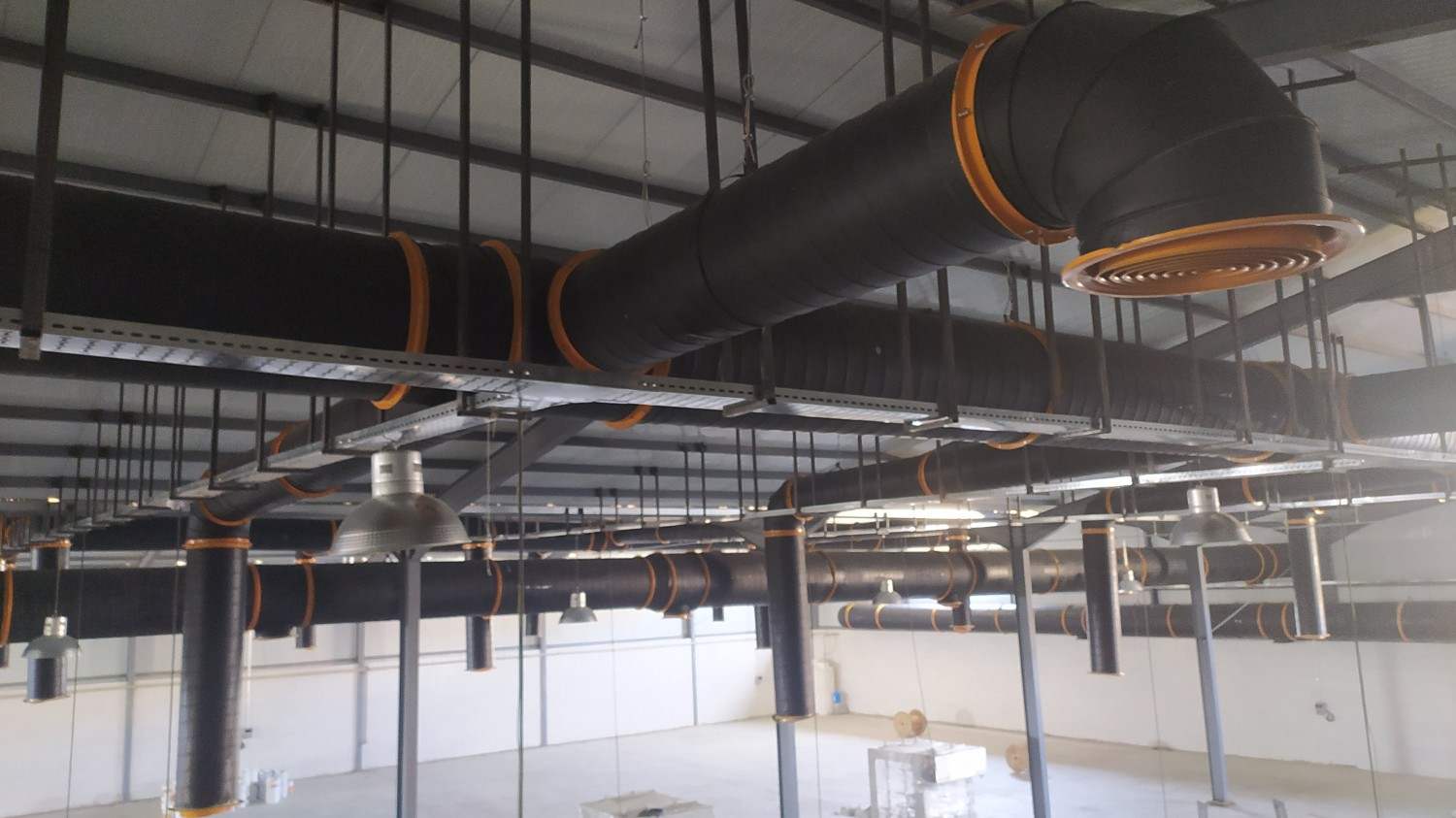
- Selection of appropriate pipe diameters and slopes to prevent sedimentation and facilitate complete drainage
- Consideration of thermal expansion in lines that may experience temperature variations
- Correct placement of supports and hangers to carry the weight of filled pipes and dynamic forces
- Separation of incompatible material paths to prevent cross-contamination
- Possibility of isolating different sections for maintenance without shutting down the entire system
- Full compliance with safety standards and operational requirements of the chemical and detergent industries
Project Outcomes
With the completion of the piping design and preparation of the drawings, the factory gained an integrated, safe, and intelligent material transfer network. Coordination between storage and process tanks, pumps, SCADA, and the CIP system resulted in higher process accuracy, reduced manual intervention, improved efficiency, and real-time monitoring of material consumption. This design provided a solid foundation for stable and expandable production in the future.
Sahi Rasa Industrial Department Services in Industrial Piping
Sahi Rasa’s Industrial Department and Industrial Design Group offer industrial piping design services alongside other engineering and execution services. These services are specifically available for detergent, chemical, food, and industrial plants in Iraq and the Kurdistan Region and are typically delivered within the framework of EPC and PMC projects.
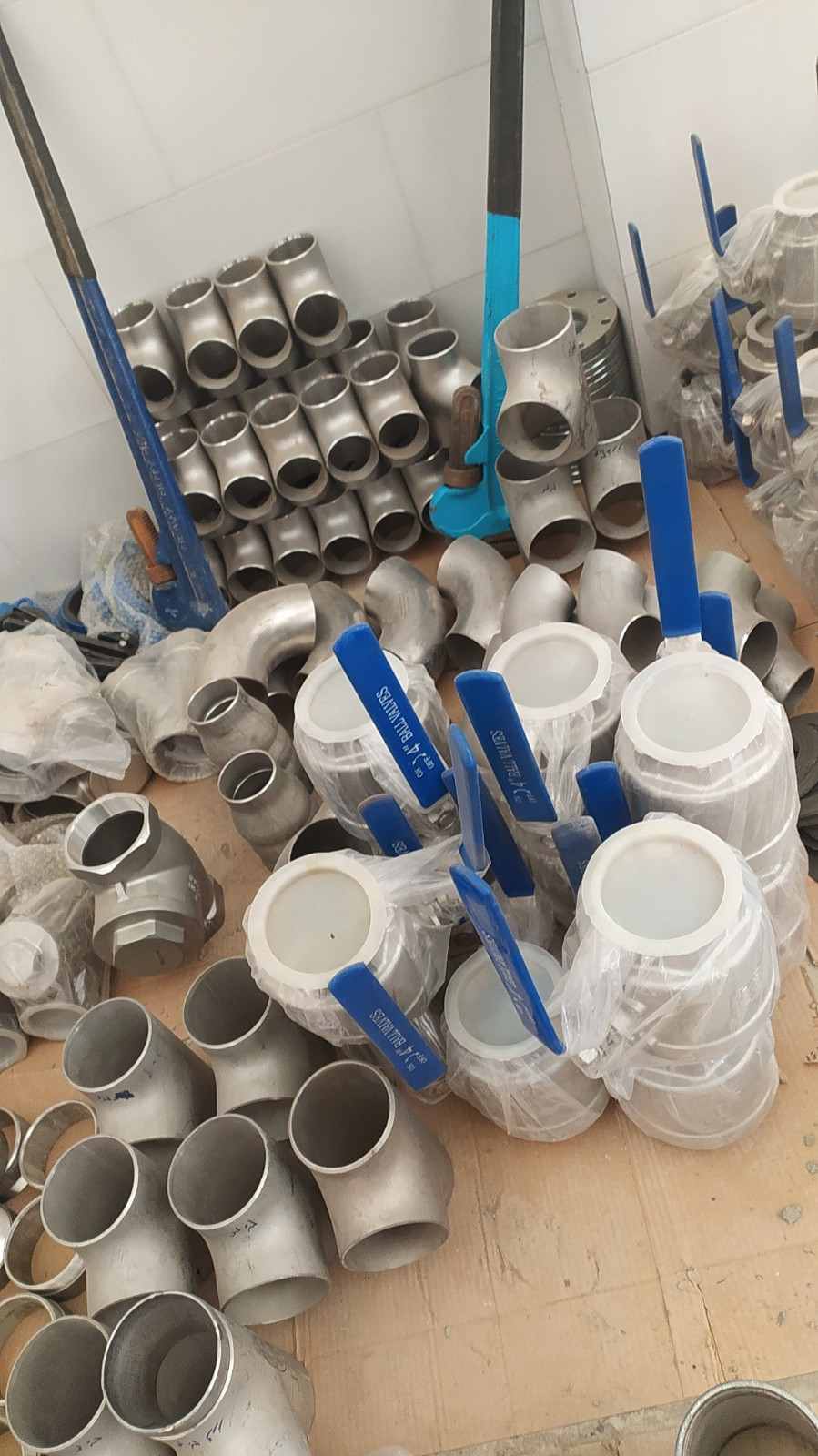
Related services include P&ID design, isometric drawings, material selection, coordination with tanks and equipment, integration with control systems, and preparation for execution.