EPC & PMC, General

MBBR Wastewater Treatment Package | Complete Design & Execution in Erbil

Design of an MBBR wastewater treatment package begins with accurate collection of influent data. The design engineer must determine the number of residential units, expected population, water consumption patterns, and peak factors. In Erbil projects, a peak factor of 1.5 to 2.0 is commonly applied.

The MBBR wastewater treatment package is one of the most reliable and proven engineering solutions for managing domestic wastewater in residential projects. In residential developments across Erbil and the Kurdistan Region of Iraq, this system has become the preferred choice for consulting engineers and project owners due to its compact footprint, strong resistance to hydraulic and organic load fluctuations, and ability to produce effluent suitable for green space irrigation. Sahi Rasa Company has designed, provided technical engineering consulting, and constructed multiple MBBR wastewater treatment packages for residential complexes in this region. The treated effluent from these systems is used directly for landscape irrigation and meets the environmental standards of Iraq and the Kurdistan Region.

This article is based on the practical experience of Sahi Rasa’s engineering team in similar projects. It provides a clear, step-by-step, and actionable technical overview of the design, construction, and operation of an MBBR wastewater treatment package for residential applications.

What is an MBBR Wastewater Treatment Package and Why is it Suitable for Residential Projects?

MBBR stands for Moving Bed Biofilm Reactor. In this process, microorganisms grow on the surface of floating plastic media and form a biofilm. Continuous aeration keeps the media in motion inside the reactor, creating a high specific surface area for contact between the biofilm and the wastewater. Unlike conventional activated sludge systems, extensive return activated sludge (RAS) pumping is not required, and the system shows higher resilience to shock loads.

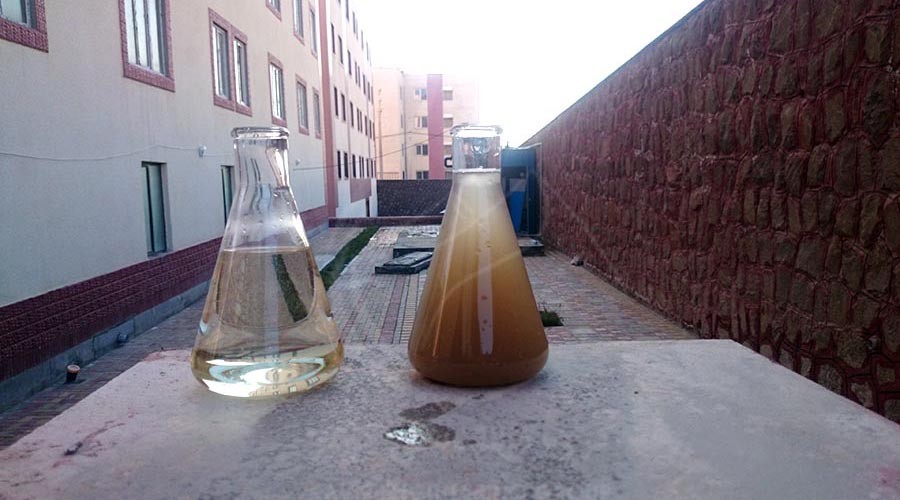
In residential projects in Erbil, wastewater generation typically ranges between 150 and 300 liters per person per day. Influent BOD is usually between 150 and 250 mg/L. An MBBR wastewater treatment package with a media fill ratio of 40–60% of the reactor volume can effectively treat this load with a hydraulic retention time of 4–8 hours. The system routinely achieves BOD below 20 mg/L and TSS below 30 mg/L. After disinfection, the effluent is fully suitable for green space irrigation.

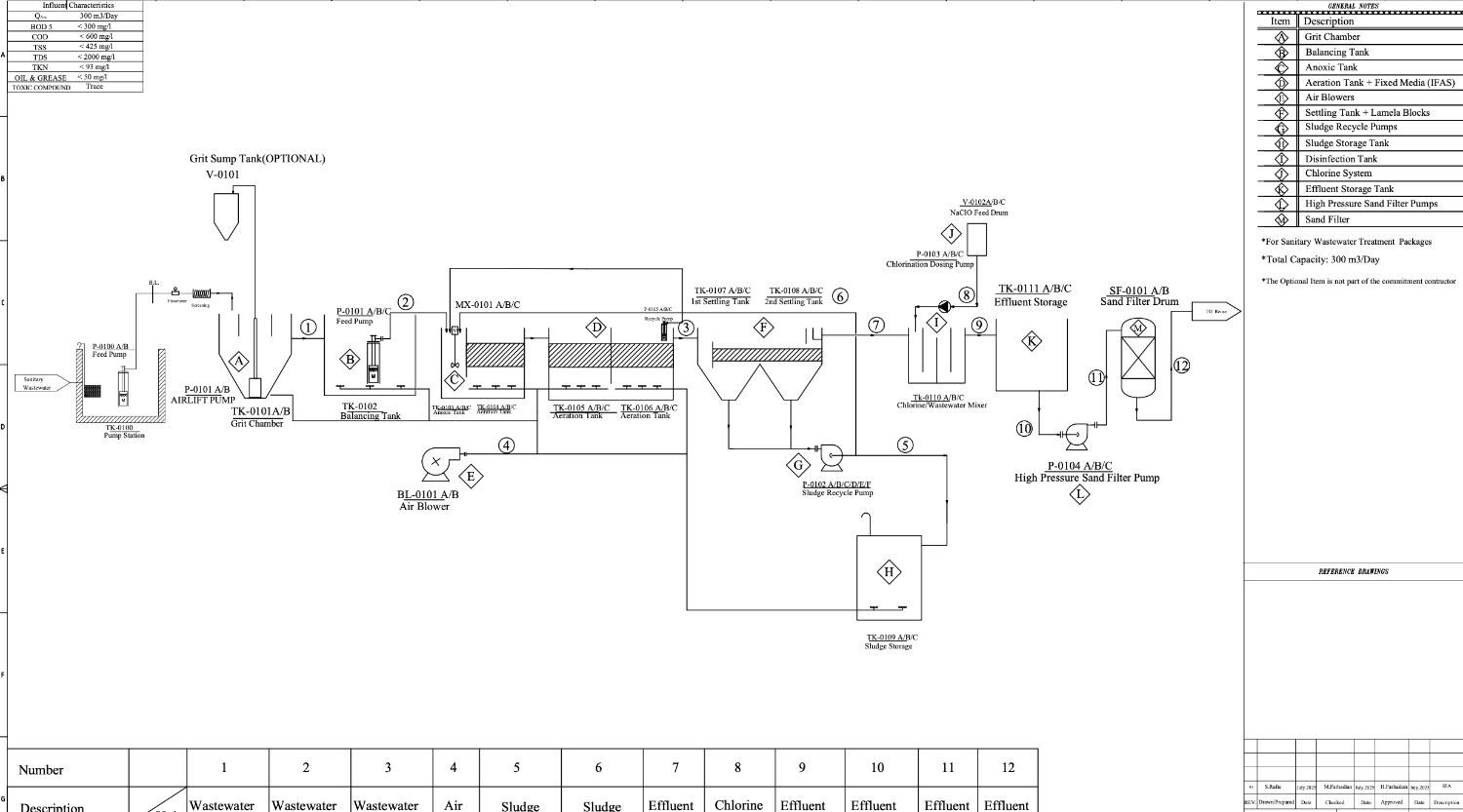
Sahi Rasa has successfully applied MBBR technology combined with preliminary screening, equalization, lamella clarification, and chlorination disinfection in Kurdistan Region projects. This configuration consistently produces effluent that complies with the requirements of the Iraqi Environmental Protection Organization for landscape irrigation.

Engineering Design Stages of an MBBR Wastewater Treatment Package for Residential Complexes

Design of an MBBR wastewater treatment package begins with accurate collection of influent data. The design engineer must determine the number of residential units, expected population, water consumption patterns, and peak factors. In Erbil projects, a peak factor of 1.5 to 2.0 is commonly applied.

Stage 1: Flow calculation. Average daily flow is calculated and then converted to peak flow. The equalization tank volume is typically sized for 6–12 hours of average daily flow to absorb diurnal variations.

Stage 2: Biological reactor design. Organic loading rates for BOD removal are selected in the range of 1.0–1.4 kg BOD/m³·day. Media specific surface area is usually 500–800 m²/m³. Reactor volume is calculated accordingly. In Sahi Rasa projects, high-quality polyethylene media with density close to water are used for long-term durability under the hot climate conditions of Erbil.

Stage 3: Aeration system. Oxygen demand is calculated based on organic load and water temperature. Fine-bubble diffusers with high oxygen transfer efficiency are selected. Blowers (Roots or side-channel type, preferably European or Japanese origin) are sized with a safety factor of 1.5.

Stage 4: Clarification. In compact packages, lamella settlers are used to minimize footprint. Surface loading rates are typically maintained between 0.5 and 0.8 m/h.

Stage 5: Disinfection and storage. Chlorination providing 2–5 mg/L free residual chlorine or UV disinfection is applied to ensure pathogen reduction. Treated effluent is stored in a final tank before being pumped for green space irrigation.

All design calculations, hydraulic profiles, and equipment lists are prepared by Sahi Rasa’s engineering team. Further information about the company’s capabilities can be found on the main website of Sahi Rasa.


How to Waste Water Treatment in Erbil
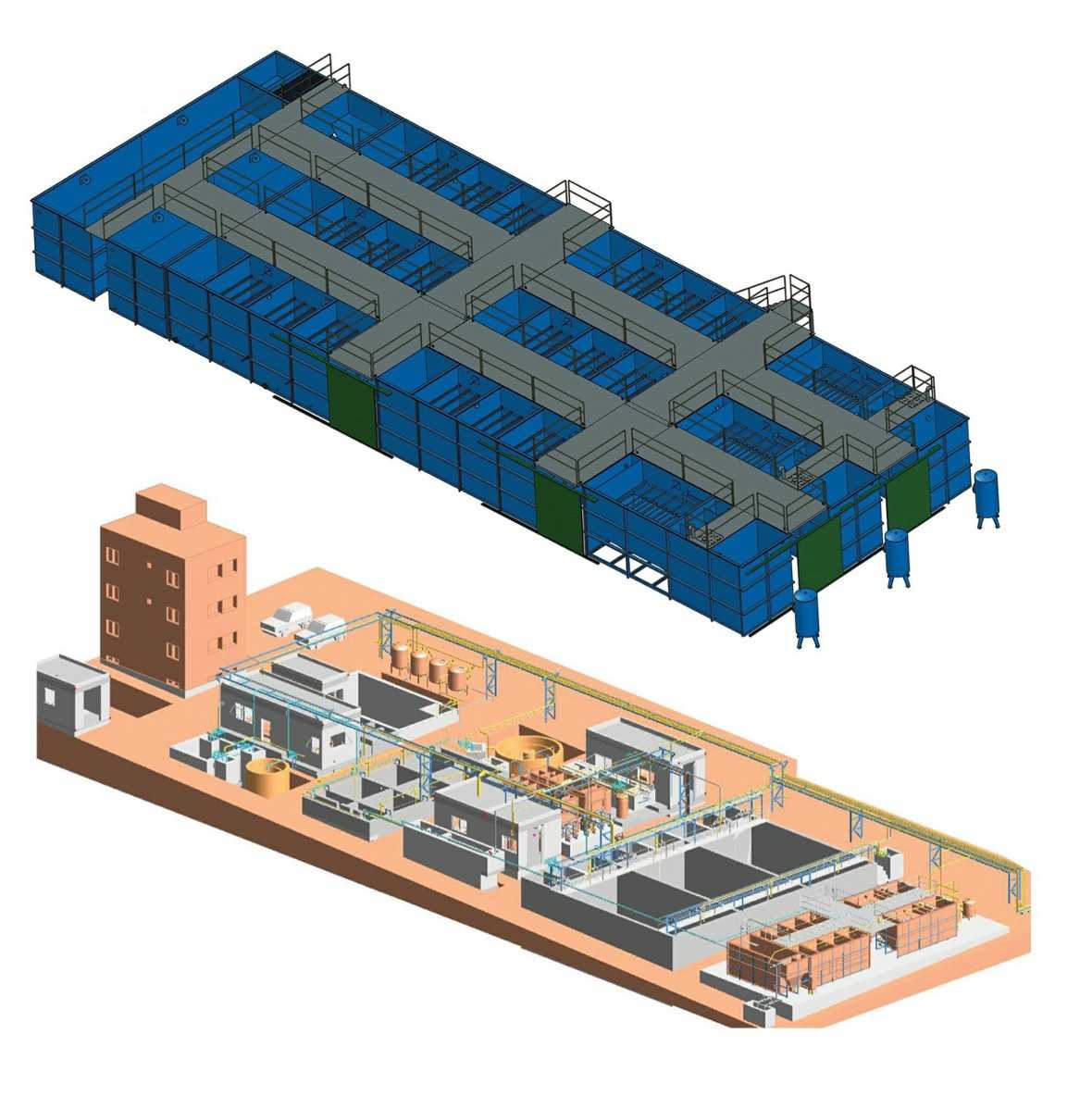
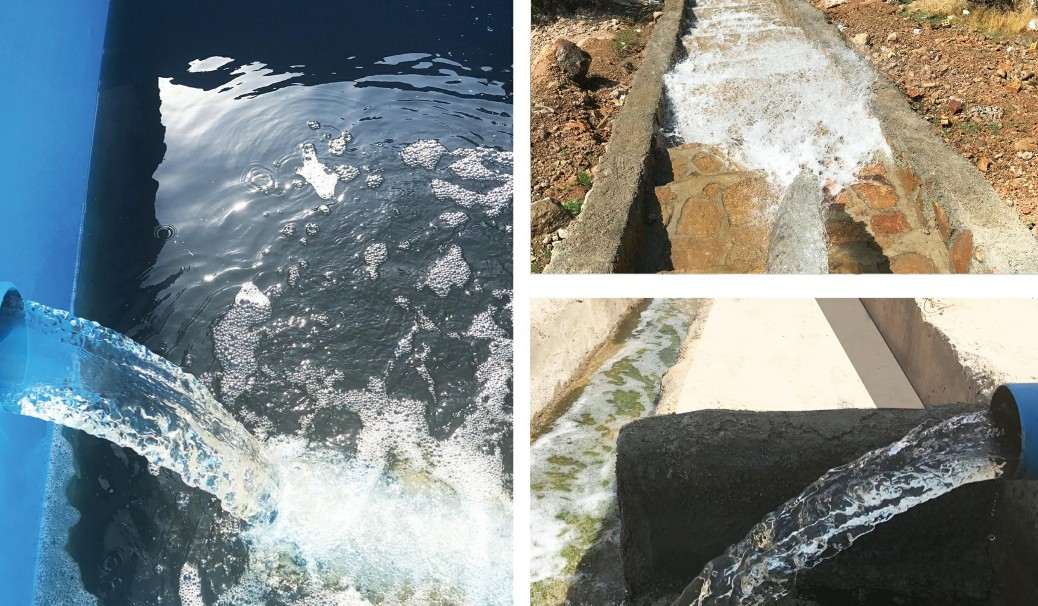
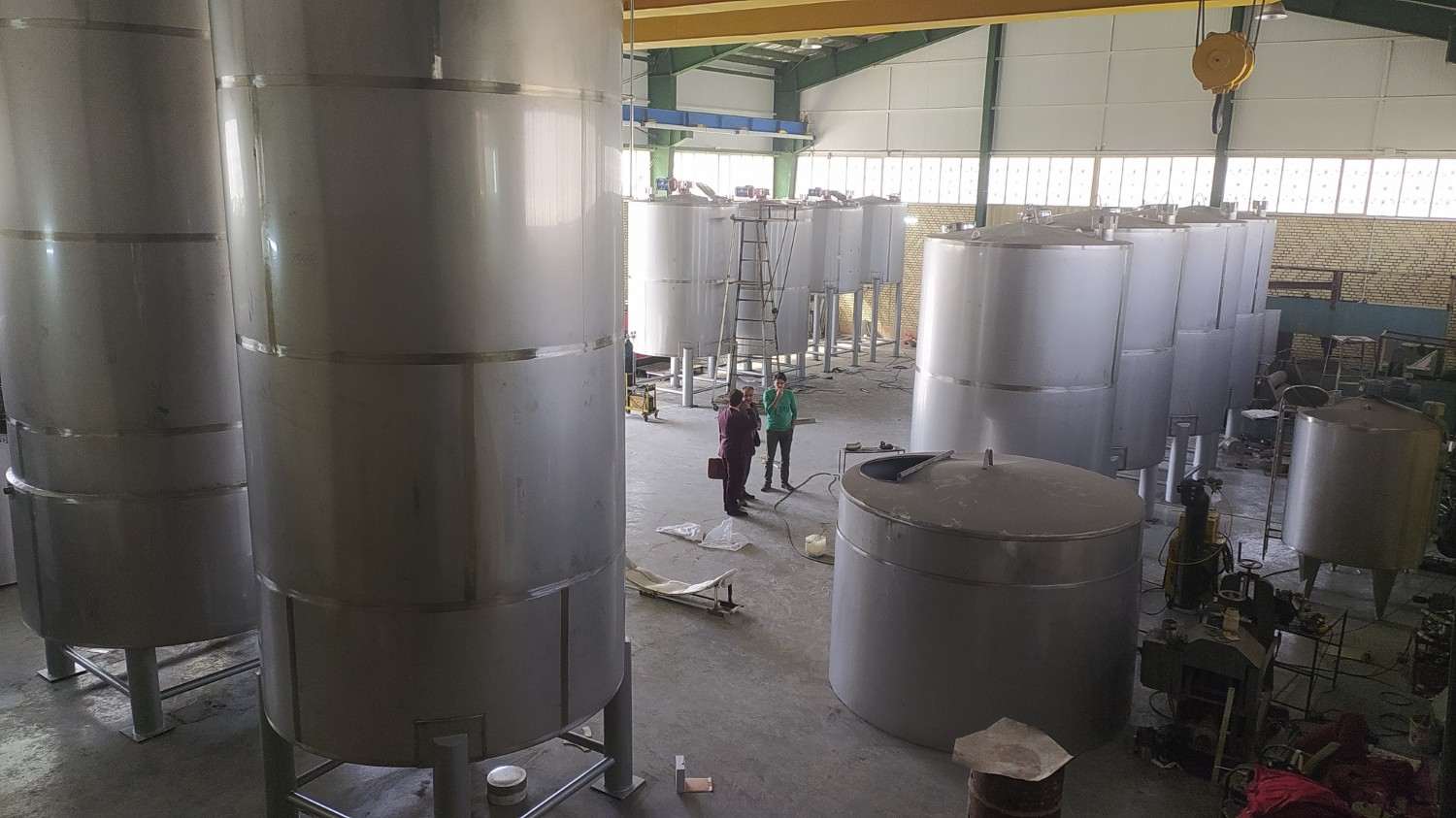
MBBR wastewater treatment package installed in a residential project in Erbil by Sahi Rasa

Main Components and Key Technical Specifications of the MBBR Package

A complete MBBR wastewater treatment package typically includes the following units:

  • Mechanical or manual fine screen (5–10 mm openings) to protect the media
  • Equalization tank with duplex submersible pumps
  • Aerobic MBBR reactor with floating media and aeration system
  • Clarification tank equipped with lamella plates or conventional settler
  • Excess sludge storage tank
  • Disinfection unit (chlorination or UV)
  • Treated effluent storage tank
  • Electrical control panel with automatic operation
  • Transfer and recirculation pumps

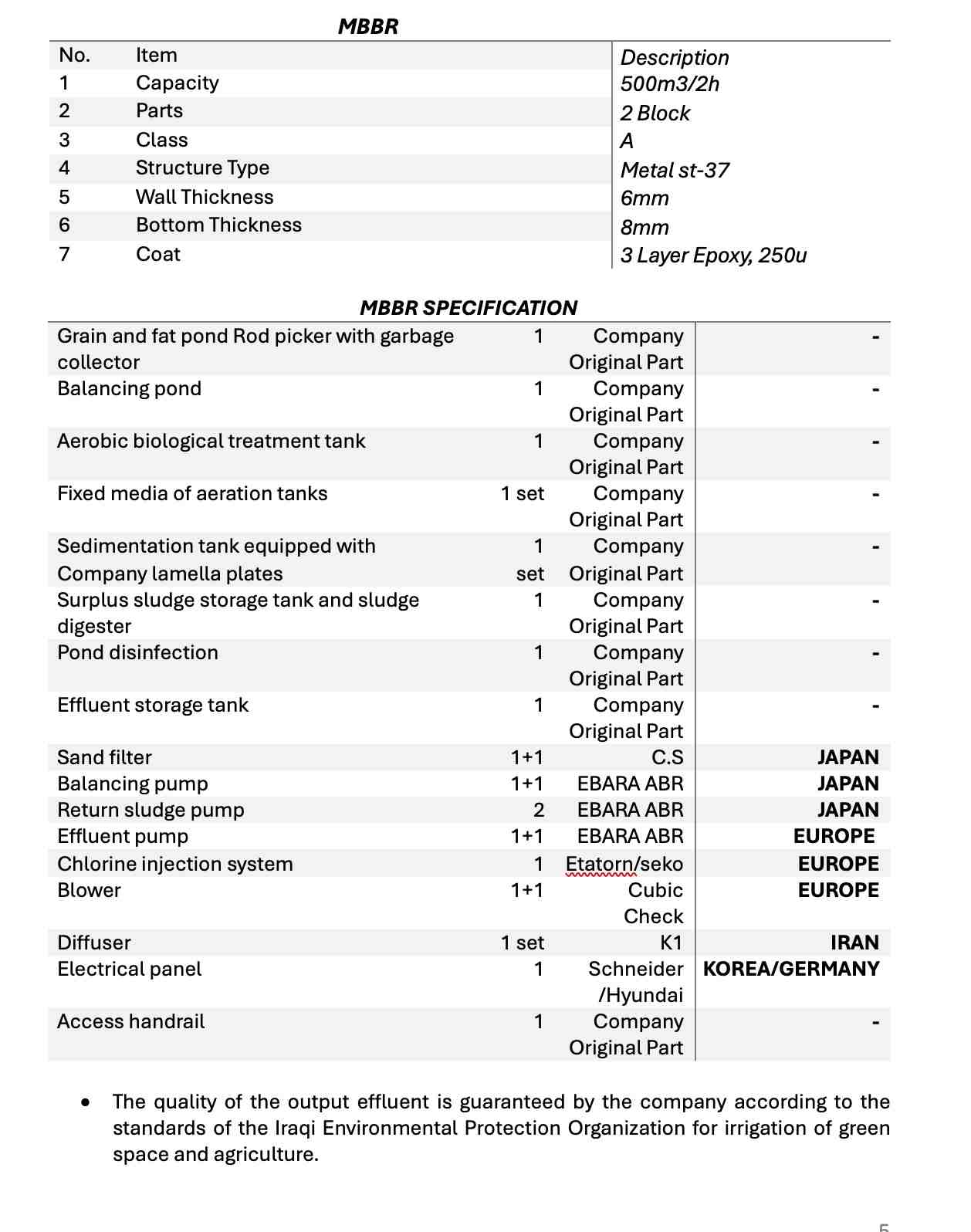
The package body is normally fabricated from ST37 steel plate (6 mm wall thickness and 8 mm bottom thickness) and protected with a three-layer epoxy coating of minimum 250 microns. This coating provides excellent resistance to wastewater corrosion and the climatic conditions of the Kurdistan Region.

Typical capacities for residential projects in Erbil range from 50 to 300 m³/day. Larger complexes may use multiple parallel packages or a single centralized unit. Sahi Rasa offers both prefabricated steel packages and non-portable reinforced concrete versions. Detailed equipment specifications are available in the product list section.

Effluent Quality and Standards for Green Space Irrigation

After proper disinfection, the effluent from an MBBR wastewater treatment package typically meets the following quality levels:

  • BOD₅ < 20 mg/L
  • COD < 100 mg/L
  • TSS < 30 mg/L
  • Fecal coliform < 200 MPN/100 mL (often much lower with adequate chlorination)
  • pH 6.5–8.5

These values comply with the standards of the Iraqi Environmental Protection Organization for unrestricted landscape irrigation. In projects executed by Sahi Rasa, the treated water has been used directly for irrigation of lawns, ornamental trees, and landscaping areas. When higher polishing is required, a multi-layer sand filter or activated carbon filter can be added as a final stage.

International references such as the WHO Guidelines for the Safe Use of Wastewater are also considered during design, especially for projects involving export or compliance with broader regional requirements in Iraq, Kurdistan, Afghanistan, Oman, and neighboring countries.


How to Waste Water Treatment in Erbil flowchart
MBBR wastewater treatment package installed in a residential project in Erbil by Sahi Rasa

Practical Challenges and Engineering Solutions in Erbil Projects

Implementation of an MBBR wastewater treatment package in residential projects presents several practical challenges. One of the most common is the high diurnal and weekend flow variation. The engineering solution is correct sizing of the equalization tank combined with intelligent level control for the transfer pumps.

The second challenge is high ambient temperatures during Erbil summers, which can reduce oxygen transfer efficiency and affect microbial activity. Selection of high-efficiency fine-bubble diffusers and accurate oxygen demand calculation based on maximum expected water temperature resolves this issue.

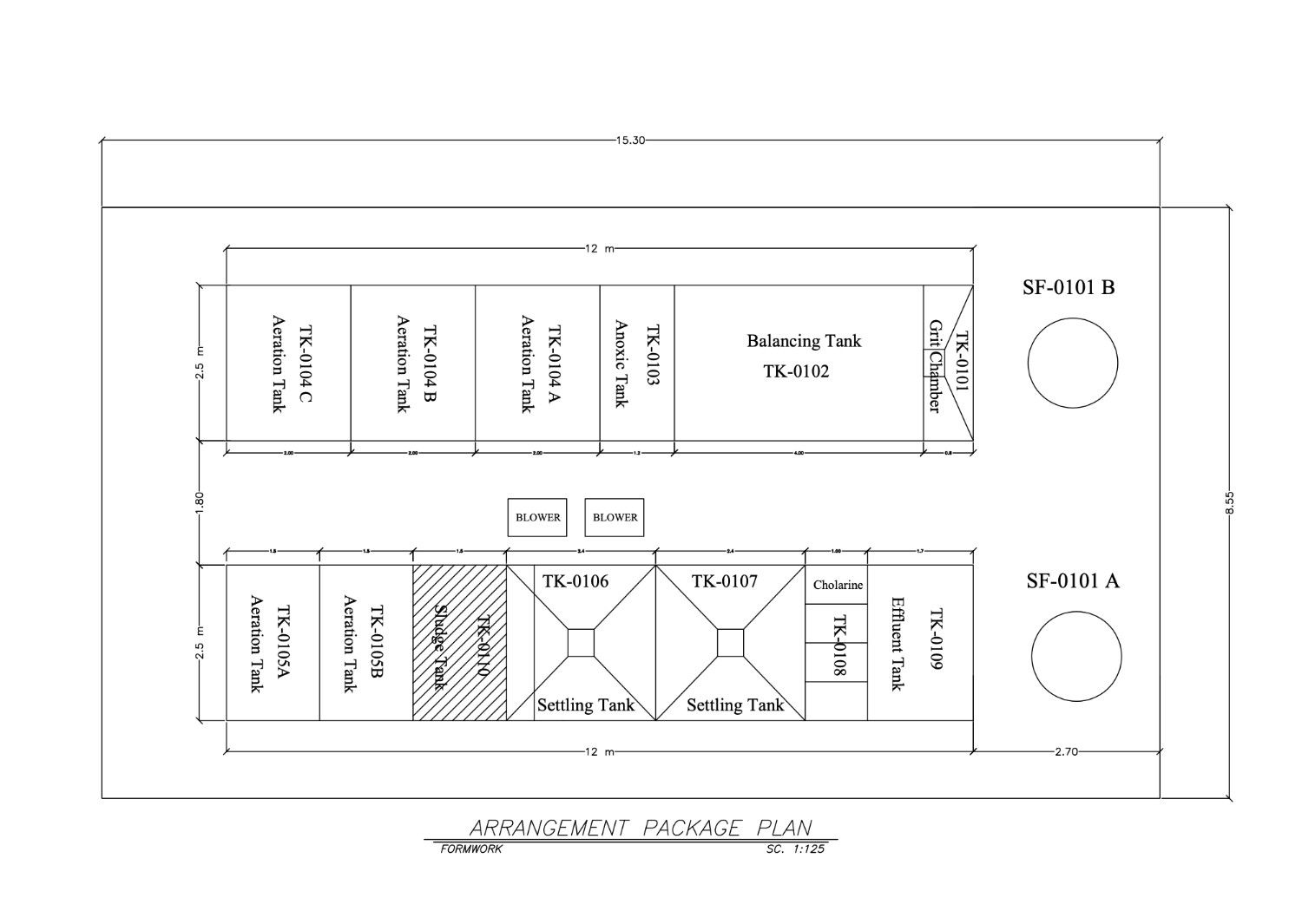
The third challenge is limited available space inside residential complexes. Compact package design and the possibility of partially buried or semi-buried installation minimize the required footprint. Sahi Rasa prepares foundation and layout drawings that are fully coordinated with the available site area.

The fourth challenge is operation by non-specialist personnel. Fully automatic control systems with visual and audible alarms, combined with comprehensive operator training and bilingual (Persian/Kurdish or English/Kurdish) operation manuals, significantly reduce operational risks. Sahi Rasa’s technical team provides on-site training after commissioning.

Comparison of MBBR with Other Treatment Technologies

Compared with conventional activated sludge, the MBBR wastewater treatment package requires less space, produces less excess sludge, and handles shock loads more effectively. Compared with MBR systems, it has lower capital and maintenance costs and eliminates membrane fouling issues. Compared with SBR systems, it offers continuous operation and simpler process control.

For residential projects where cost-effectiveness and operational simplicity are priorities, MBBR is usually the optimal choice. When higher effluent quality is required for more sensitive reuse applications, Sahi Rasa can propose hybrid configurations such as MBBR + filtration or an upgrade to IFAS technology.

Execution and Commissioning Stages

After design approval, the execution sequence is as follows:

  1. Fabrication of the steel body or preparation of the concrete foundation
  2. Installation of mechanical and electrical equipment at the factory
  3. Factory hydraulic and functional testing
  4. Transportation to the project site
  5. Installation and connection to the sewage network and power supply
  6. Media filling and biological start-up
  7. Final performance testing and handover

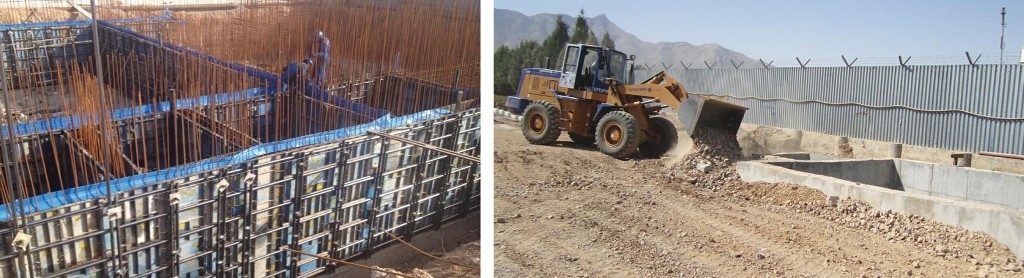
Fabrication of a steel package typically takes 8–12 weeks, while installation and commissioning require an additional 2–4 weeks. In Erbil projects, Sahi Rasa also provides engineering supervision for foundation works and installation. Examples of completed projects can be reviewed in the resume section.

Operation and Maintenance Recommendations

Daily operation mainly consists of checking tank levels, blower pressure, residual chlorine, and visual appearance of the effluent. Monthly sampling and analysis of key parameters is recommended. The media itself normally has a service life exceeding 10 years and does not require replacement. Diffusers should be inspected every 3–5 years.

Excess sludge production in MBBR systems is lower than in conventional activated sludge systems and is typically removed every few months. Sahi Rasa supplies a preventive maintenance schedule and a recommended spare-parts list with every package.

Application of MBBR Packages in Target Markets

Sahi Rasa’s experience is not limited to Erbil. The same MBBR wastewater treatment package technology has been successfully applied or proposed for residential and industrial projects in Iraq, the Kurdistan Region, Afghanistan, Tajikistan, Uzbekistan, Armenia, Georgia, Turkmenistan, Oman, Jordan, Syria, and Russia. Local climatic conditions and environmental regulations of each country are incorporated into the design. In hot climates, aeration system optimization is emphasized; in colder regions, tank insulation is considered.
 

Call to Action

The MBBR wastewater treatment package offers a technically sound, cost-effective, and reliable solution for domestic wastewater management in residential projects. It produces effluent suitable for green space irrigation while occupying minimal space. Sahi Rasa Company, with proven experience in the design, construction, and commissioning of these systems in the Kurdistan Region, is ready to provide free technical consulting, customized design, and full project execution.

If you have a residential project in Erbil or any of the target markets and require an MBBR wastewater treatment package, contact the Sahi Rasa engineering team today. Full contact details and service information are available on the main website  We are prepared to develop a solution precisely matched to the technical and operational requirements of your project.

Leave a Reply

Your email address will not be published. Required fields are marked *