Blog
Design of Molds and Bodies for Household Detergent Products, From Idea to Mass Production

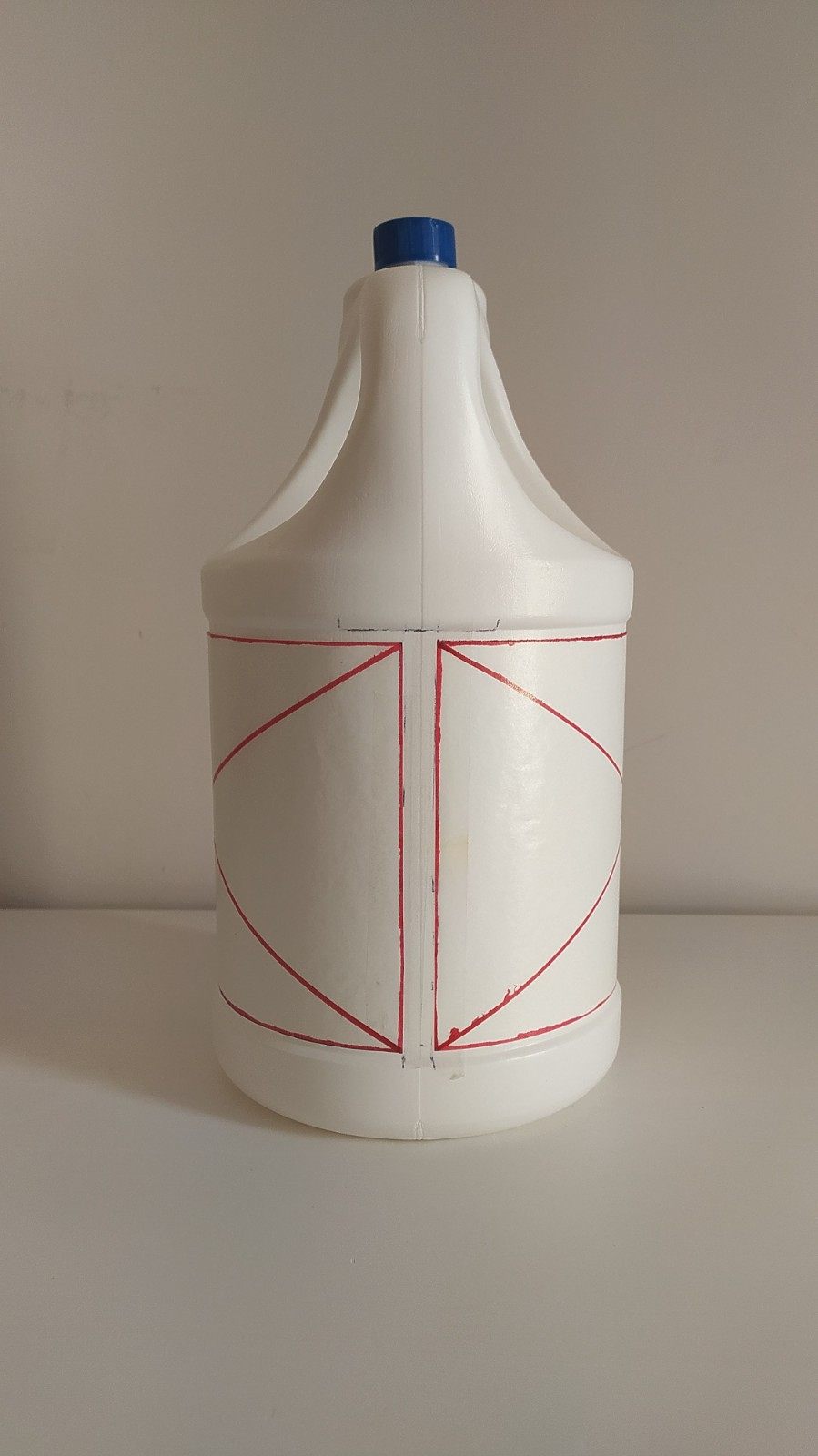
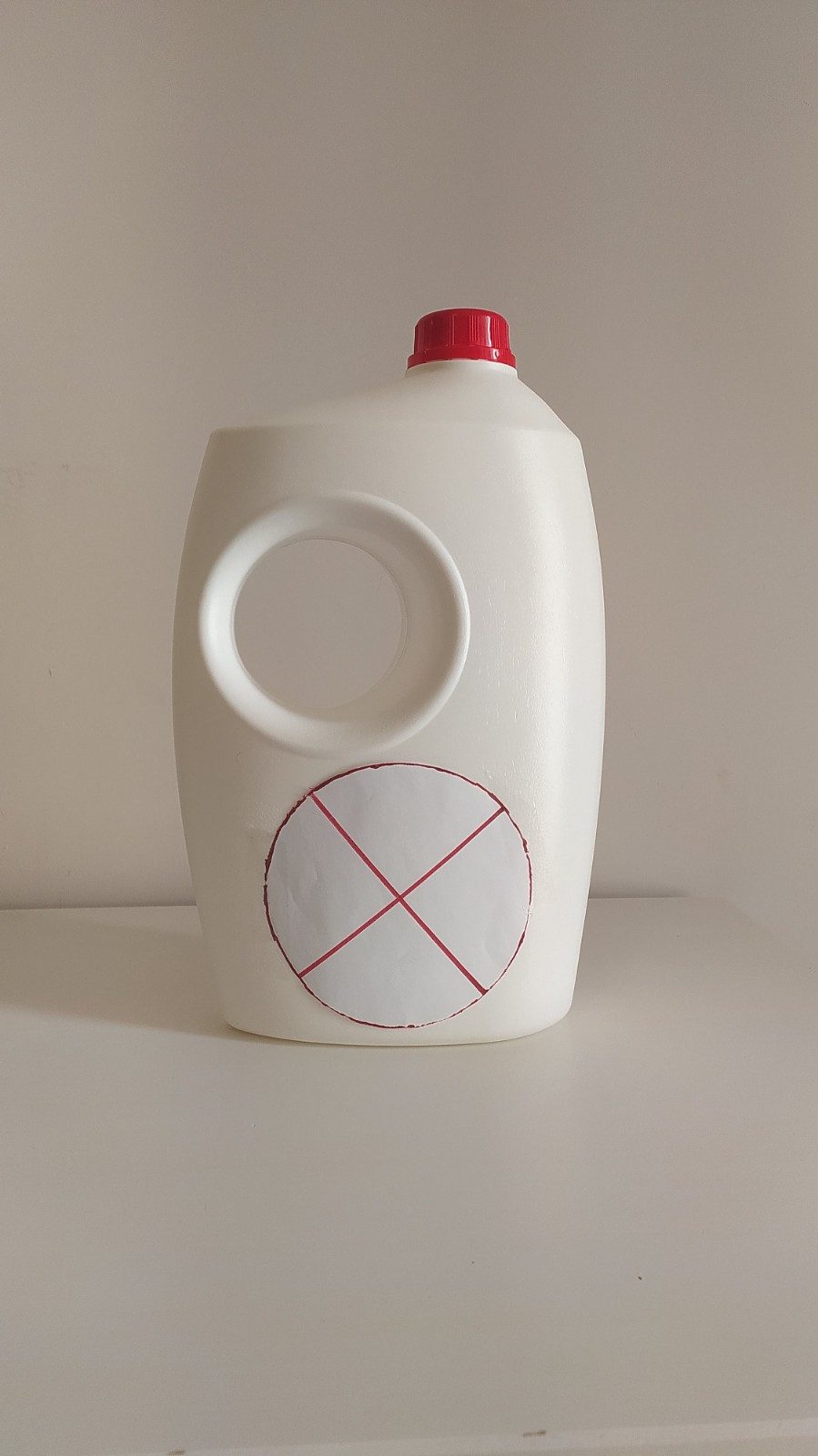
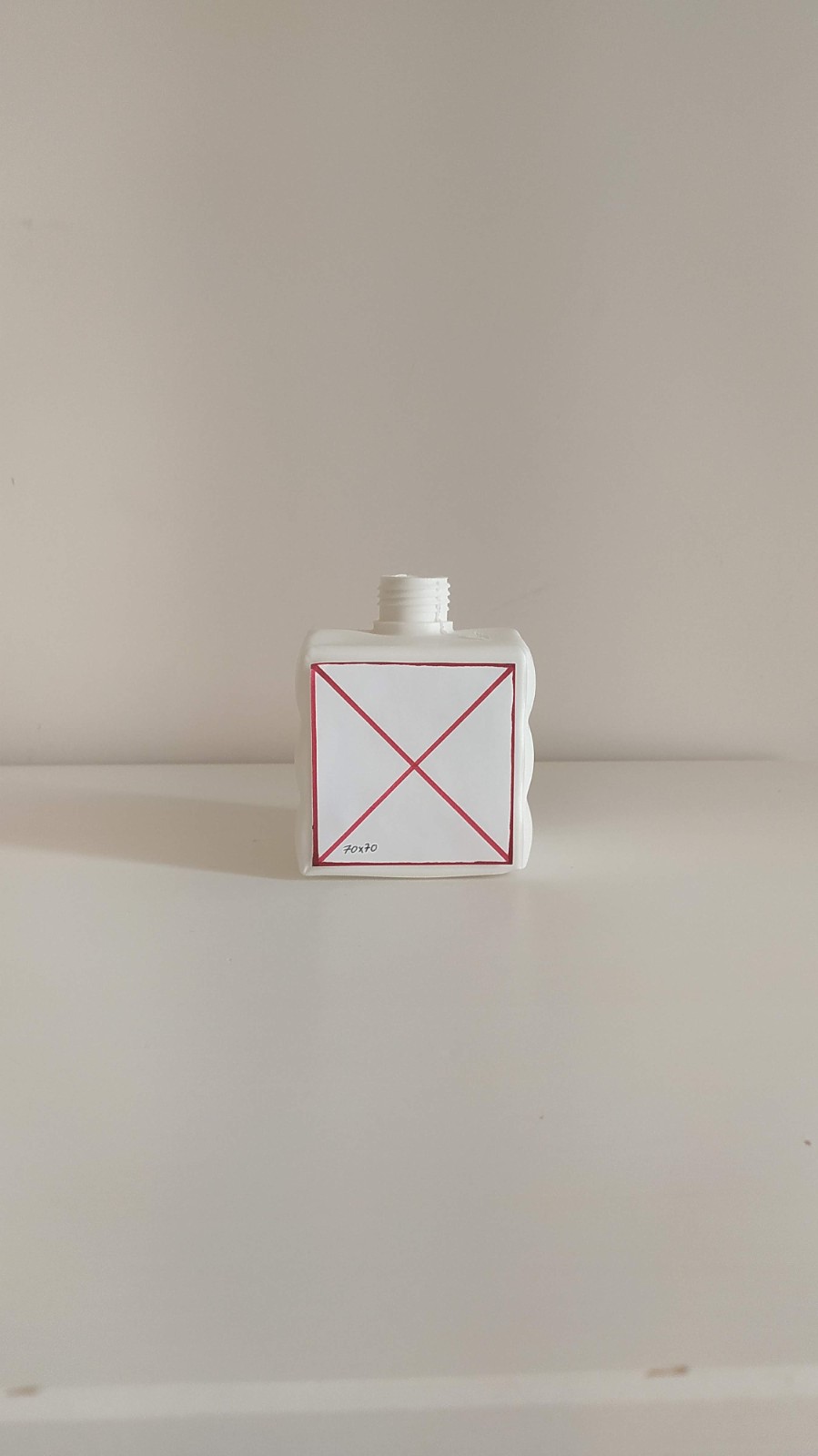
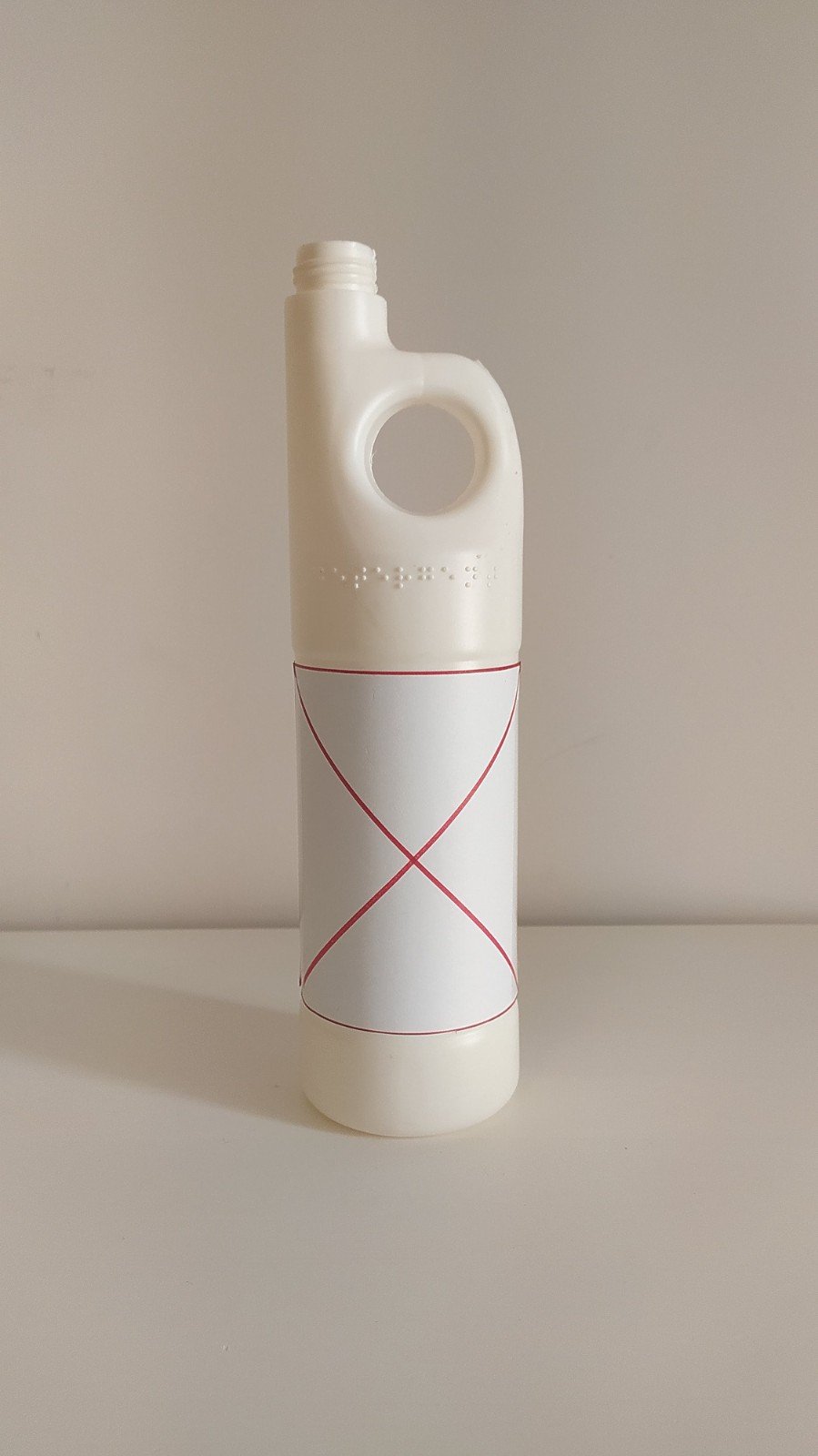
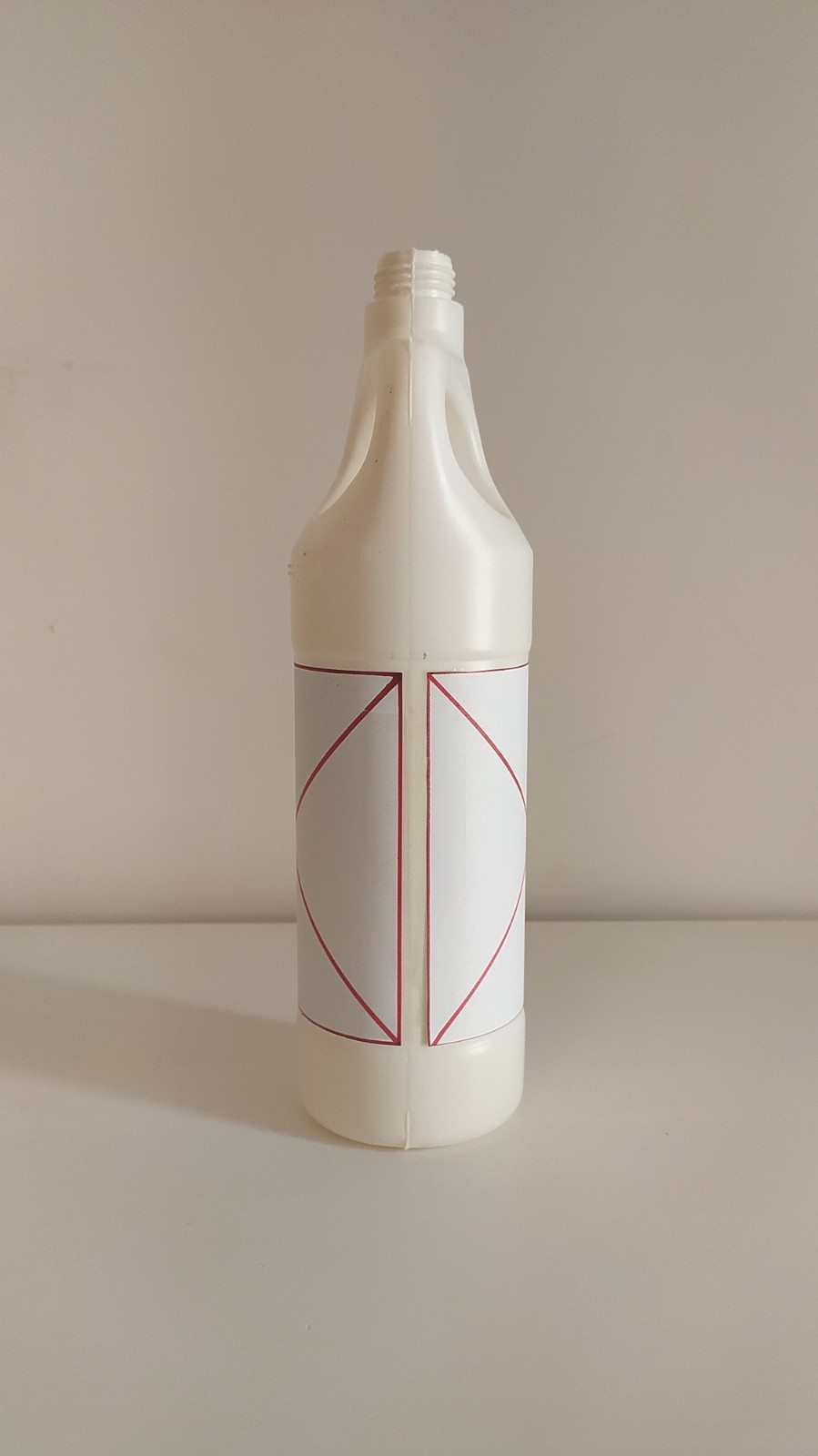
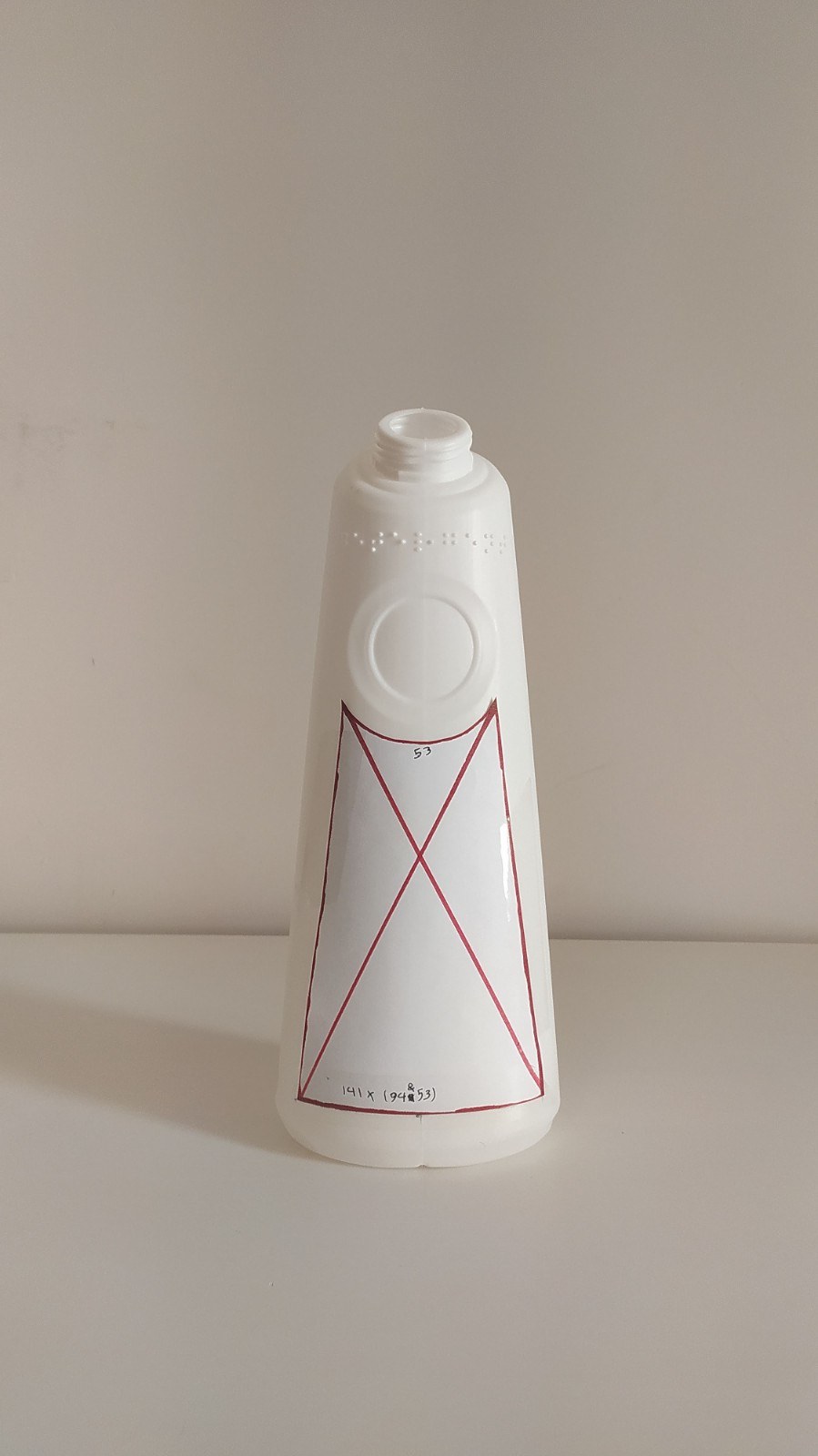
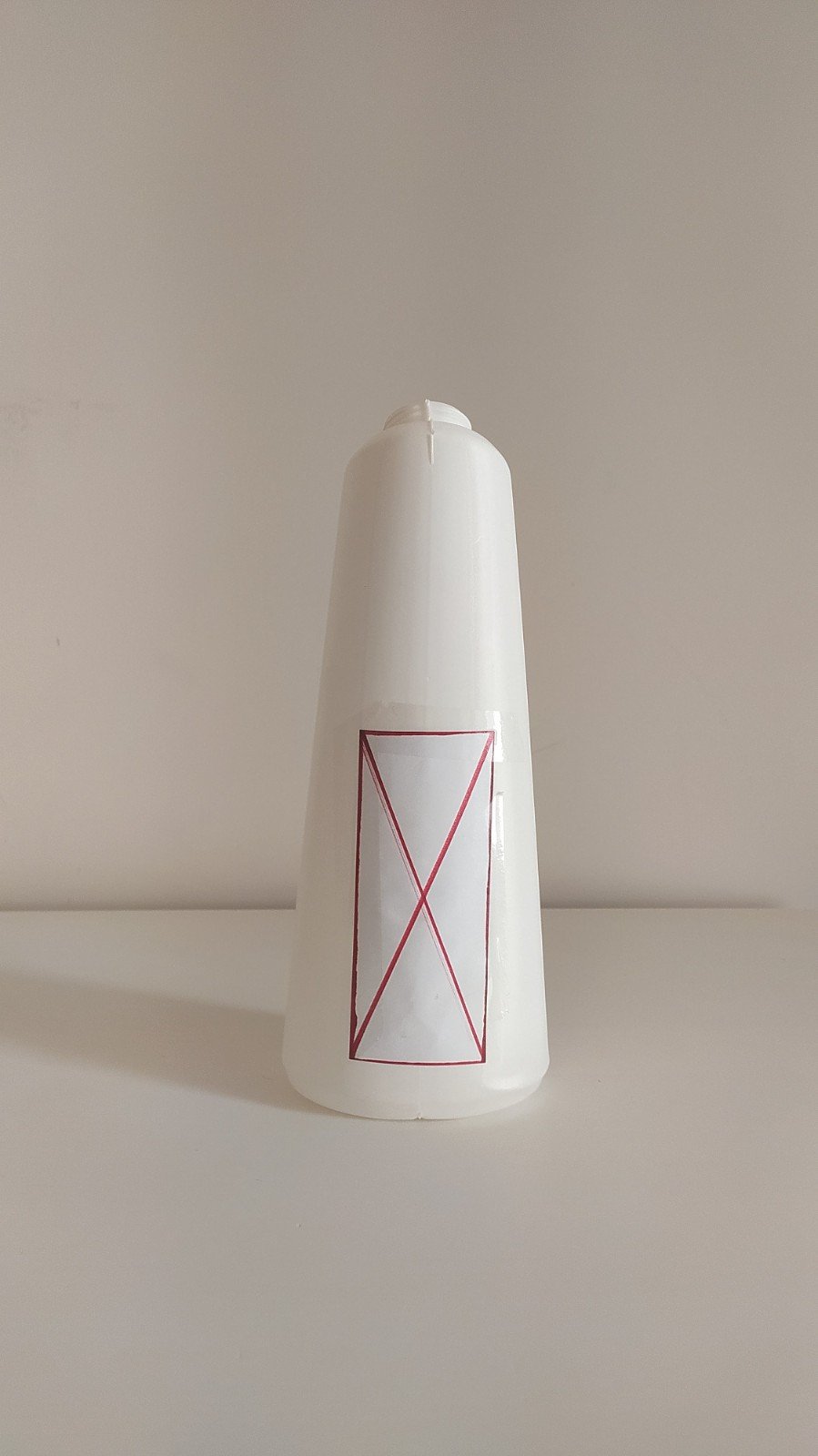
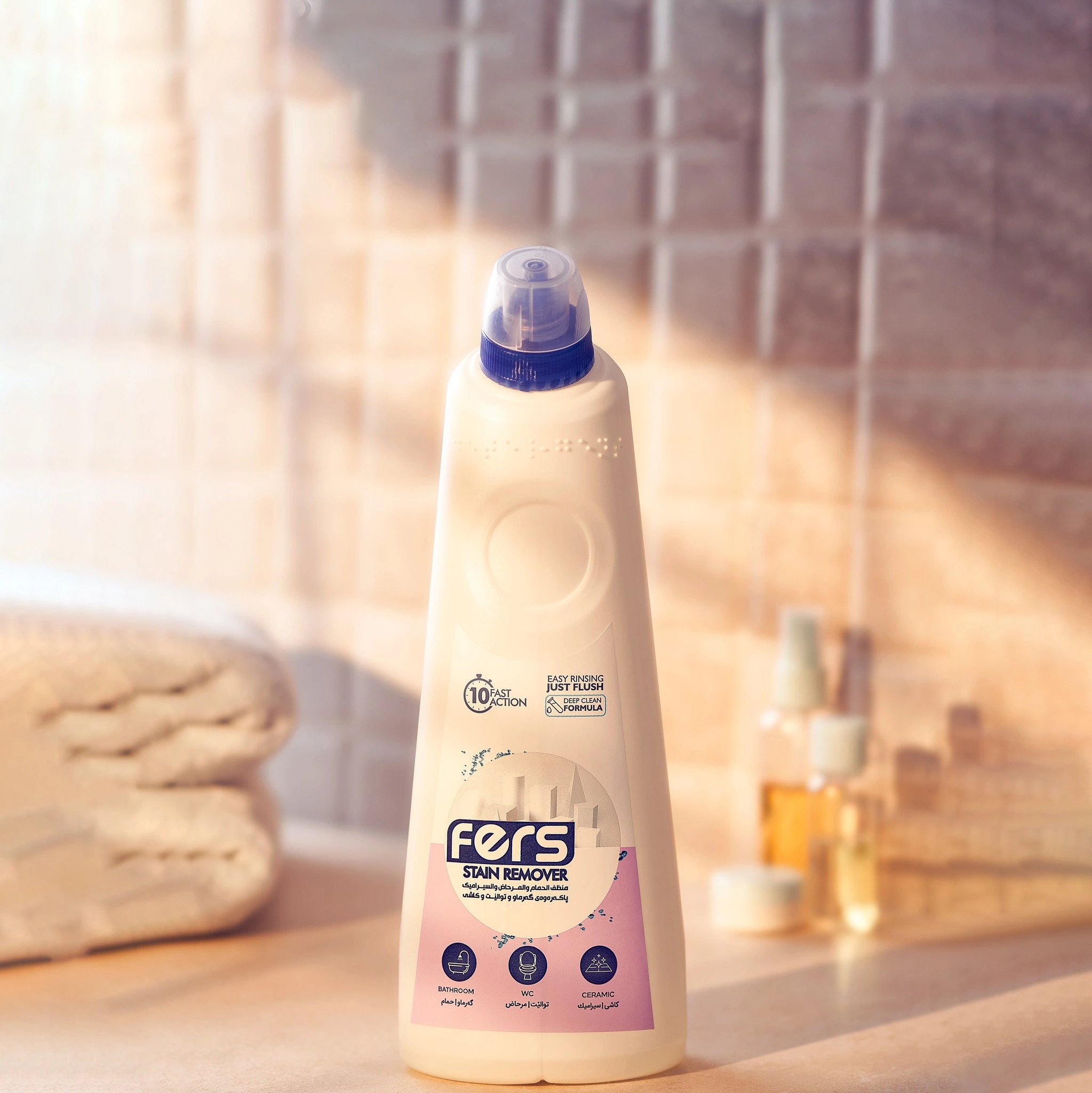
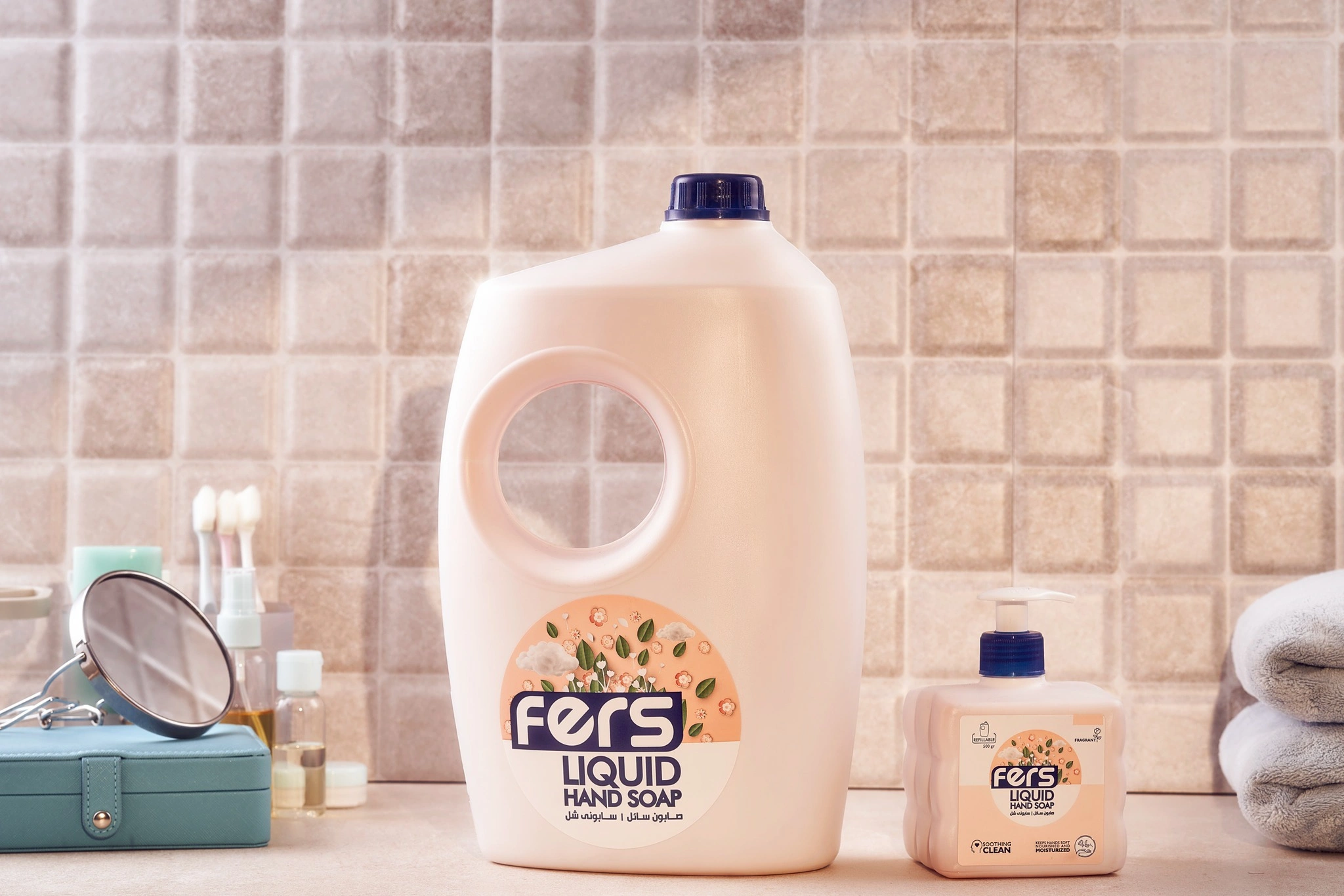
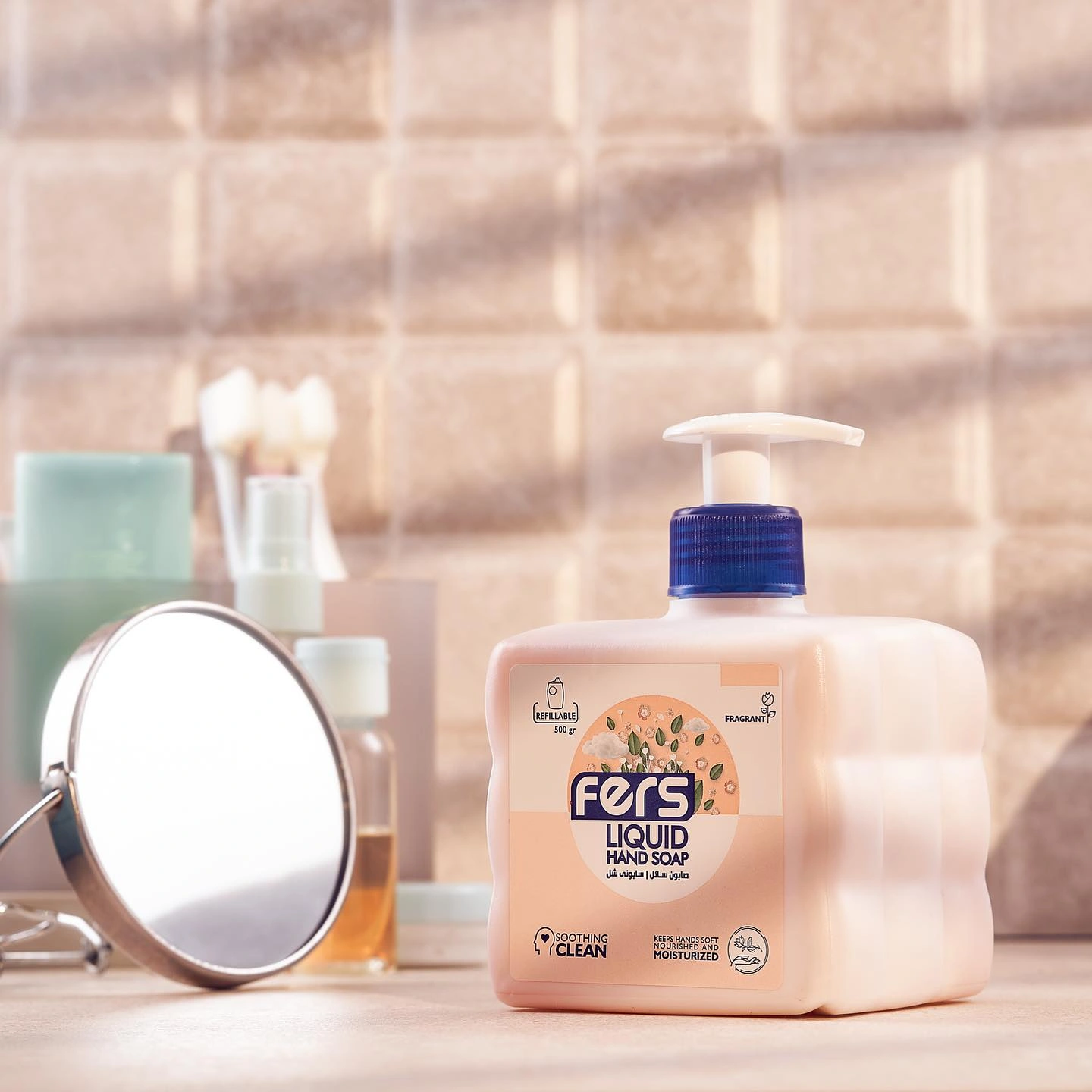
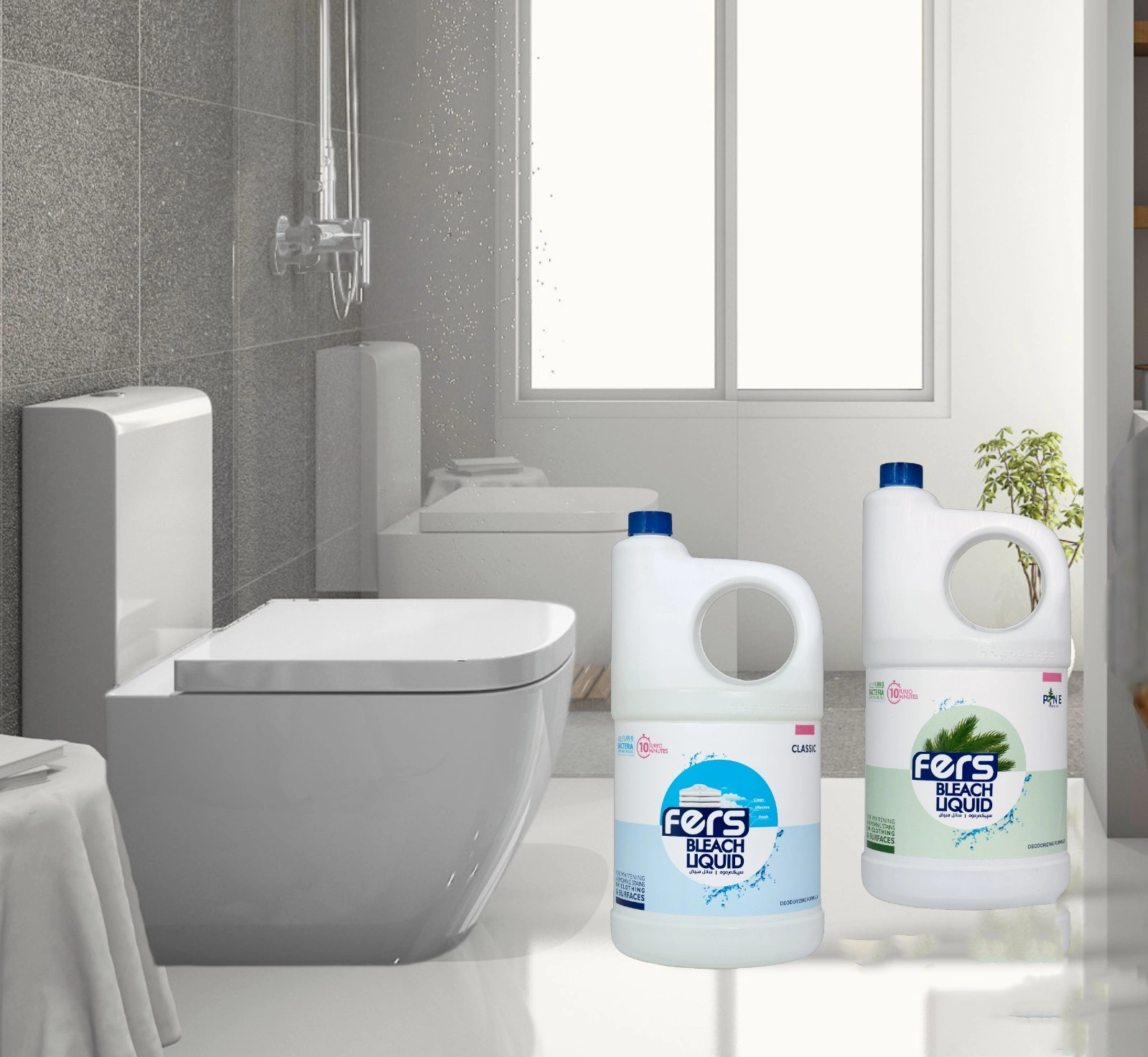
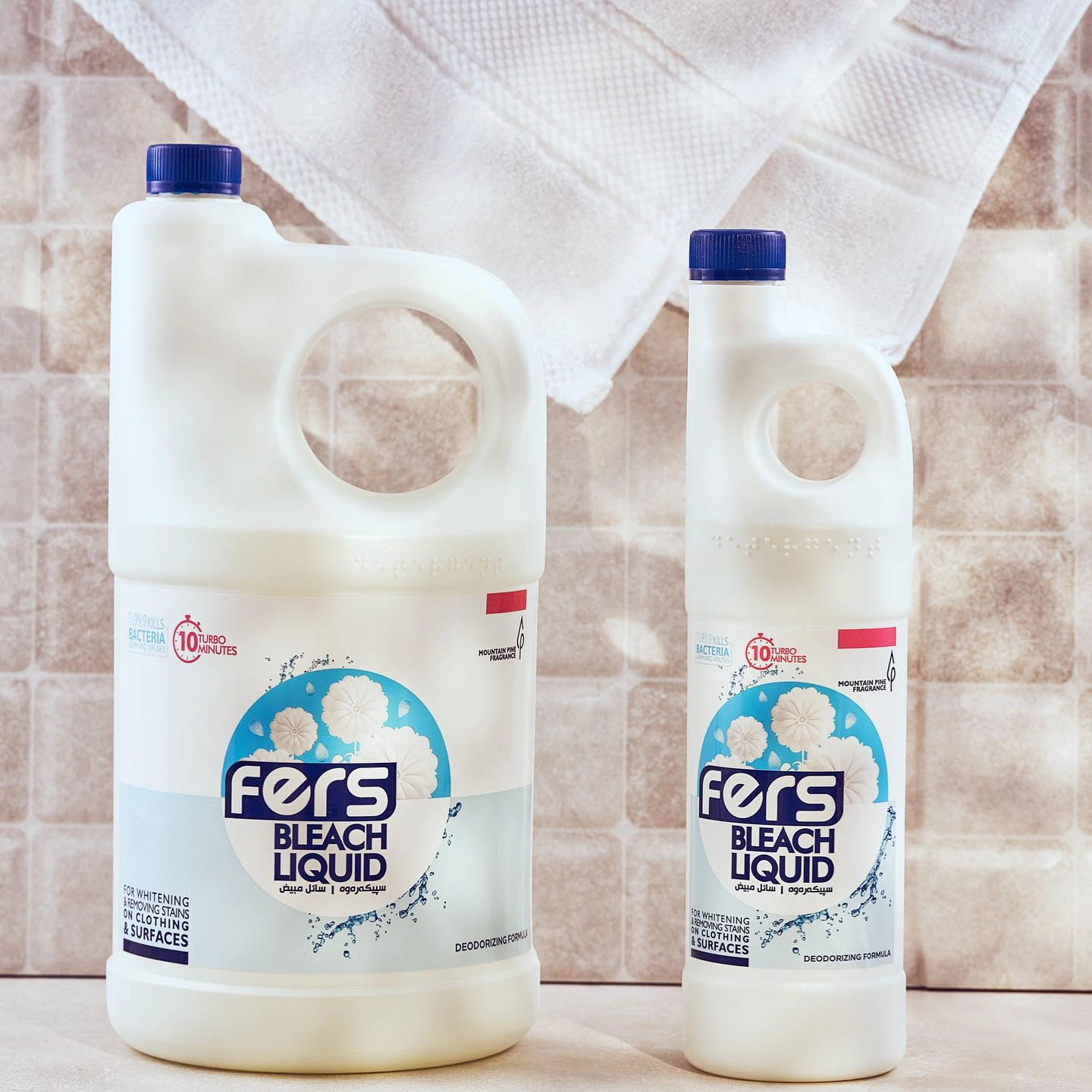
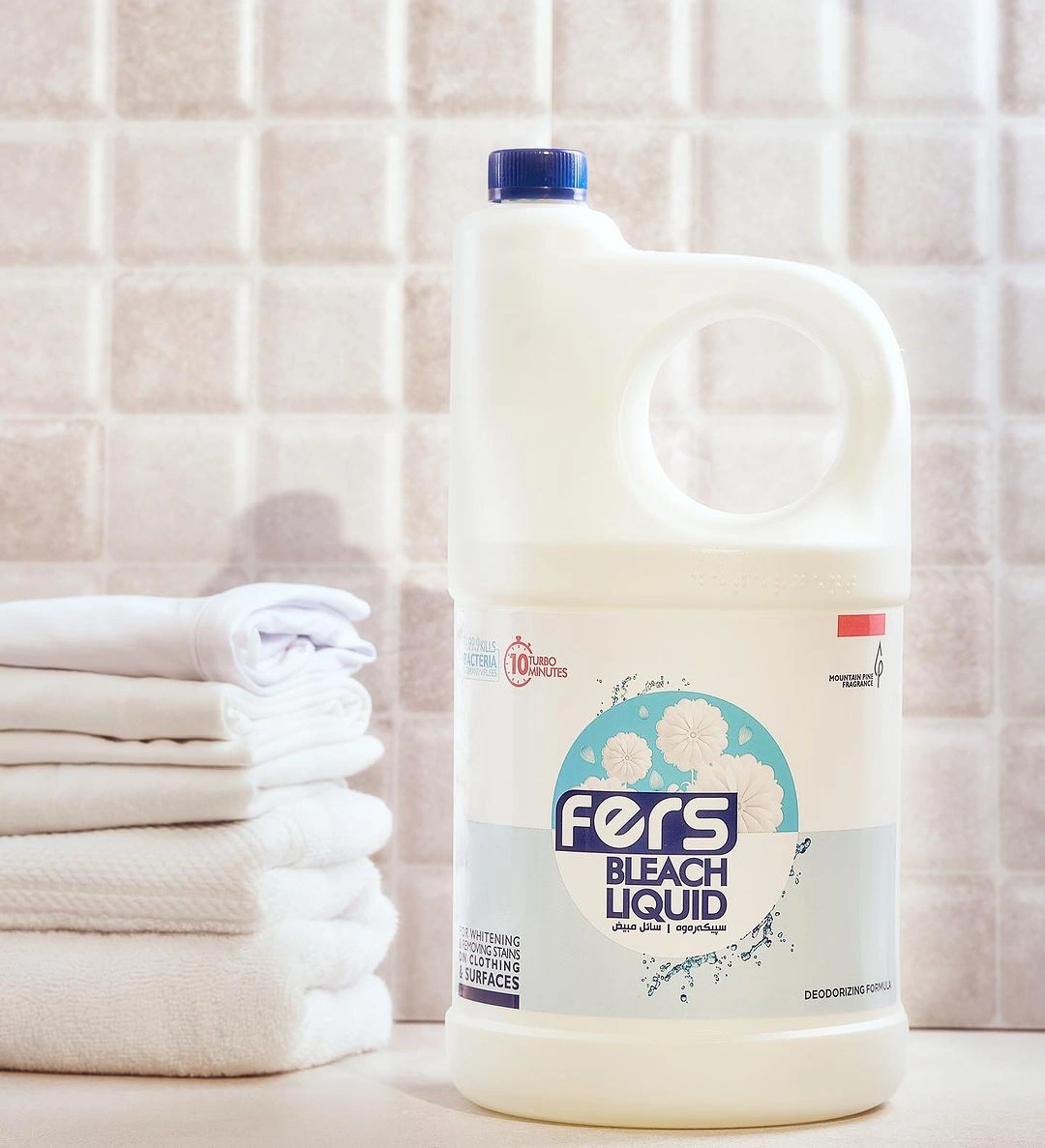
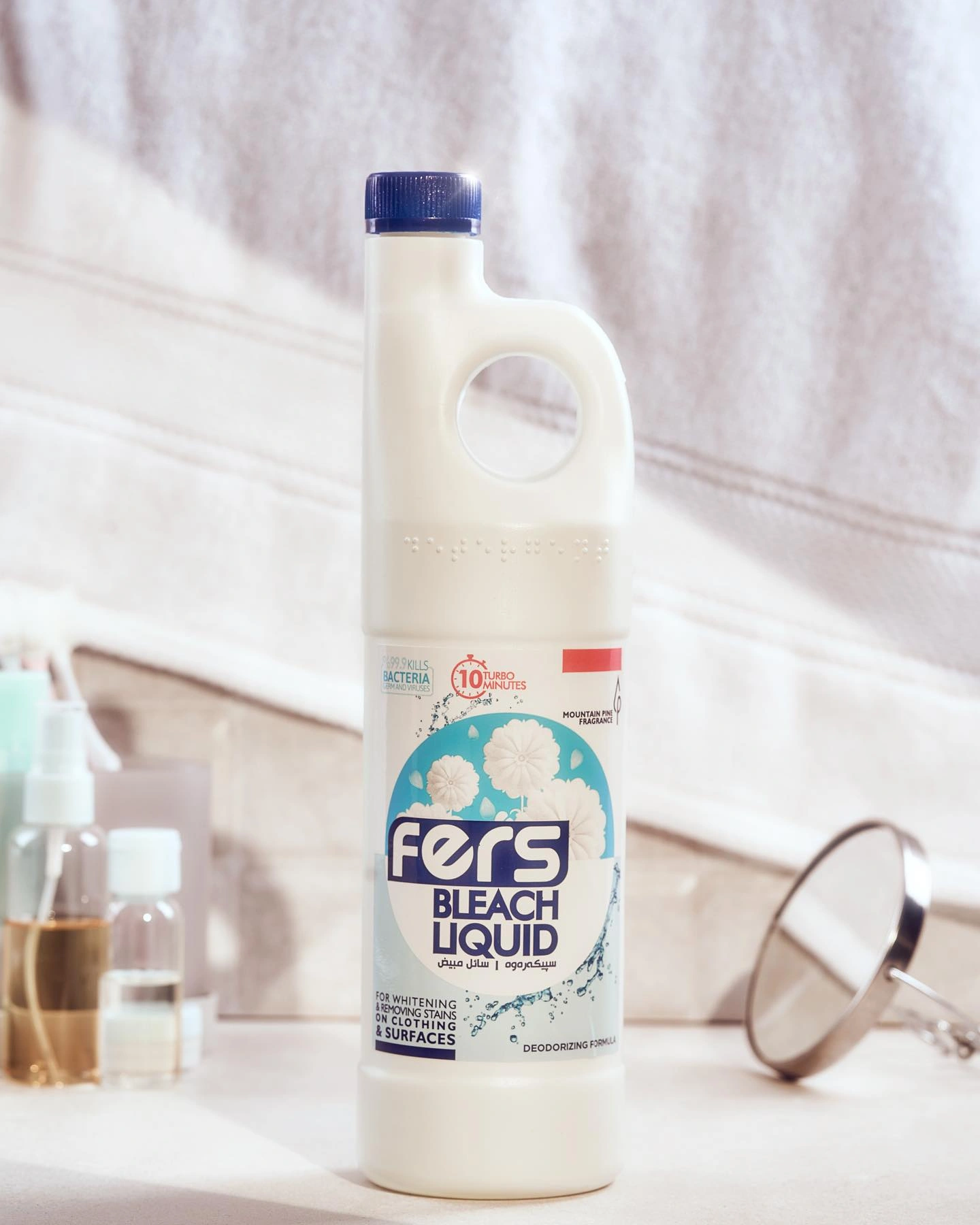
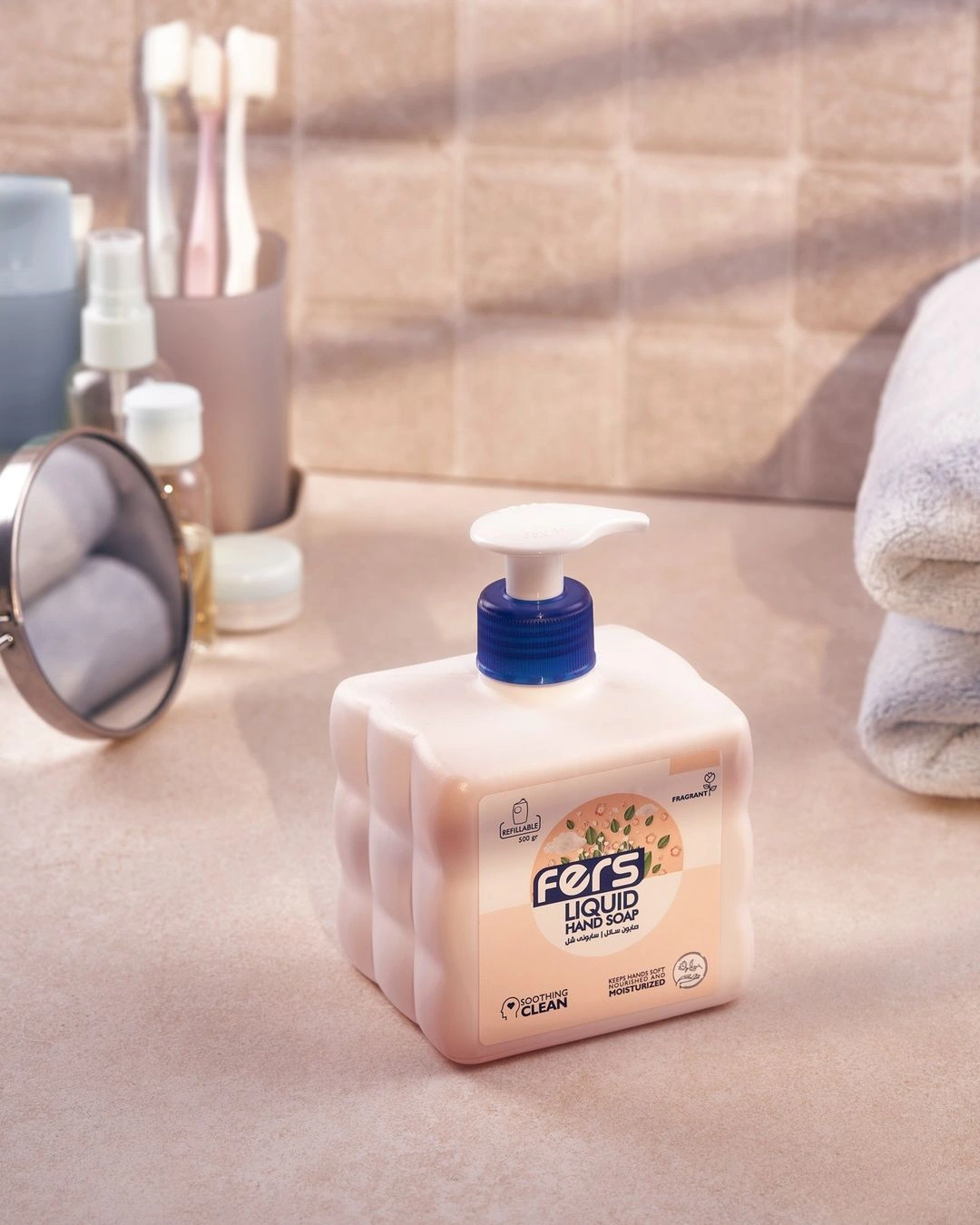
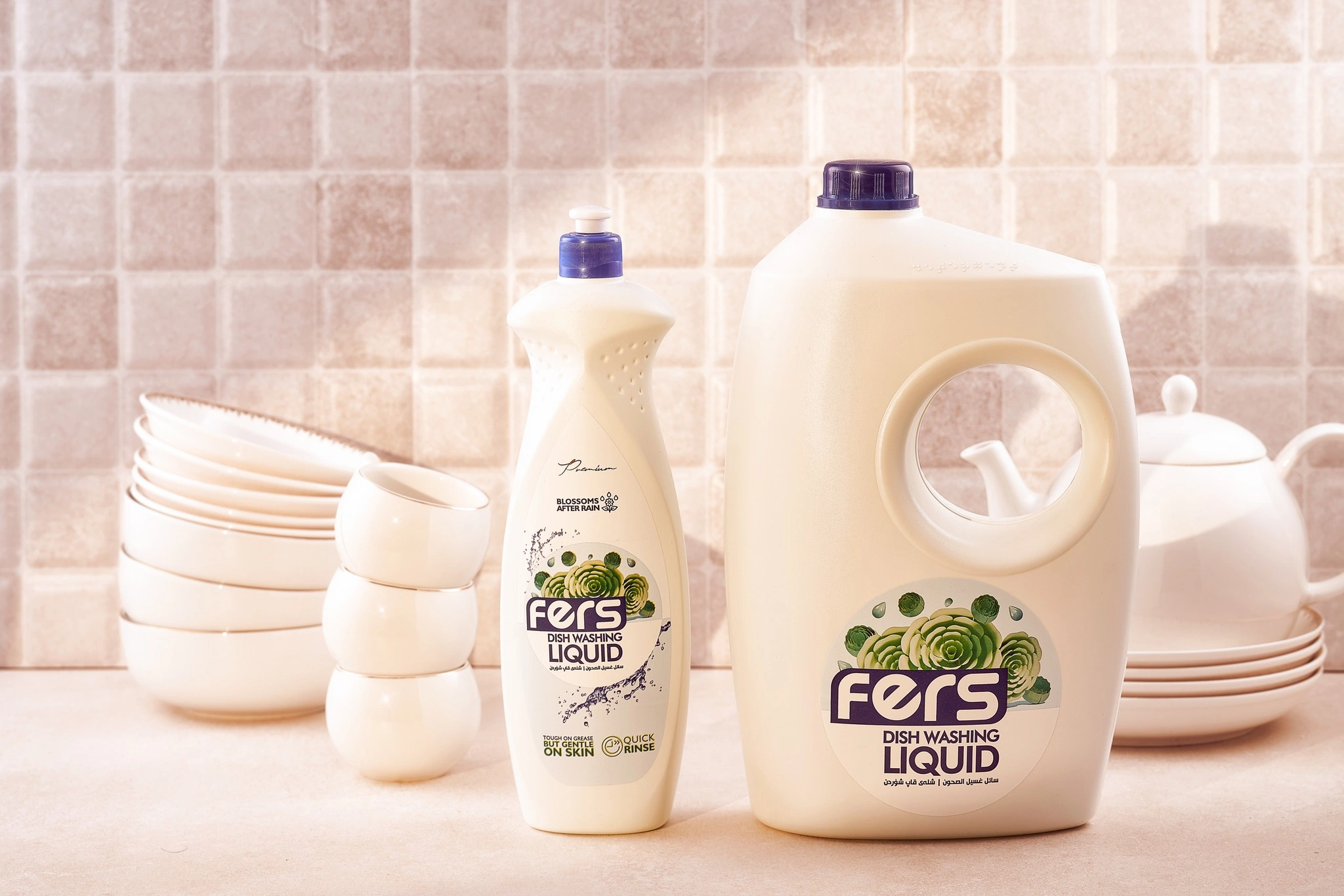
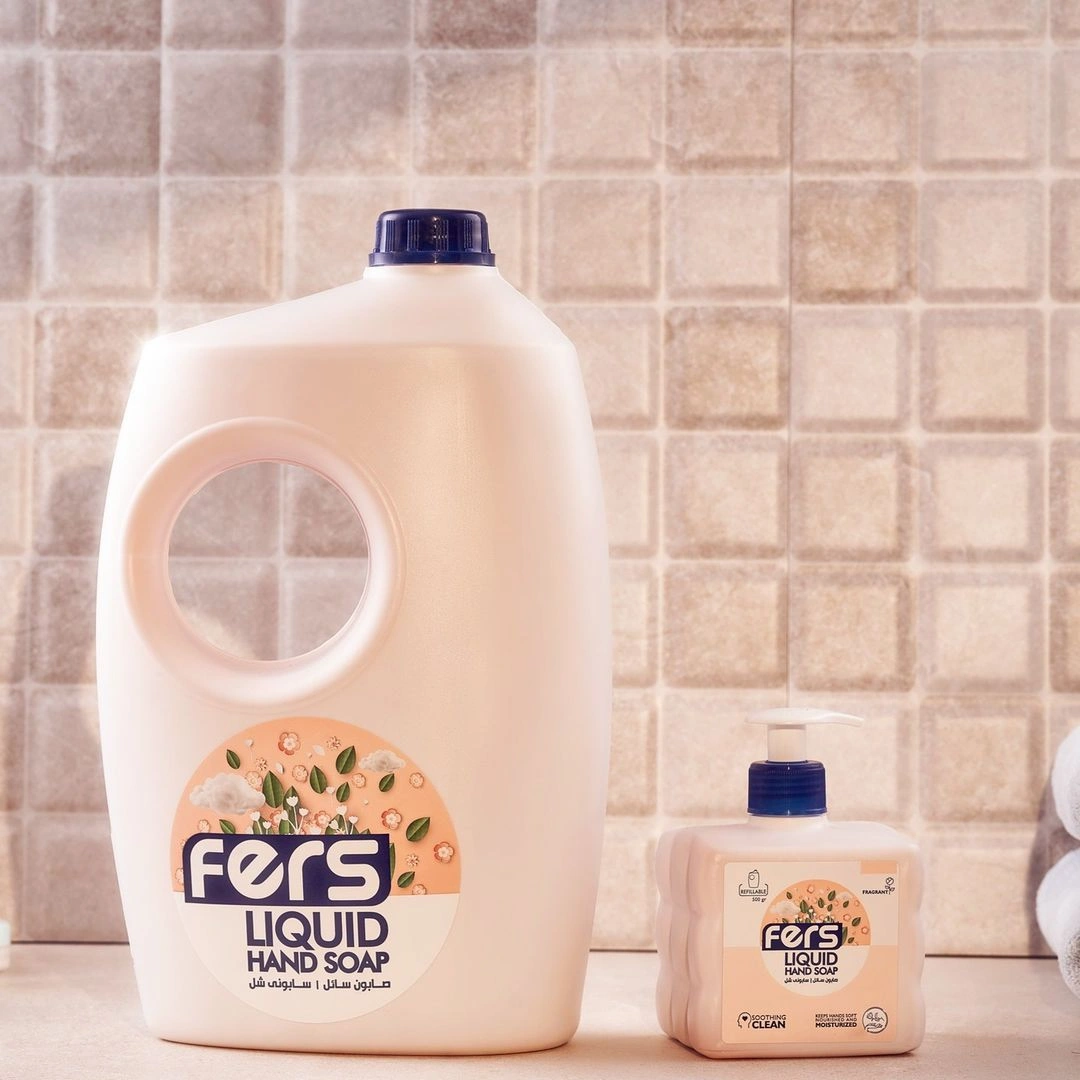
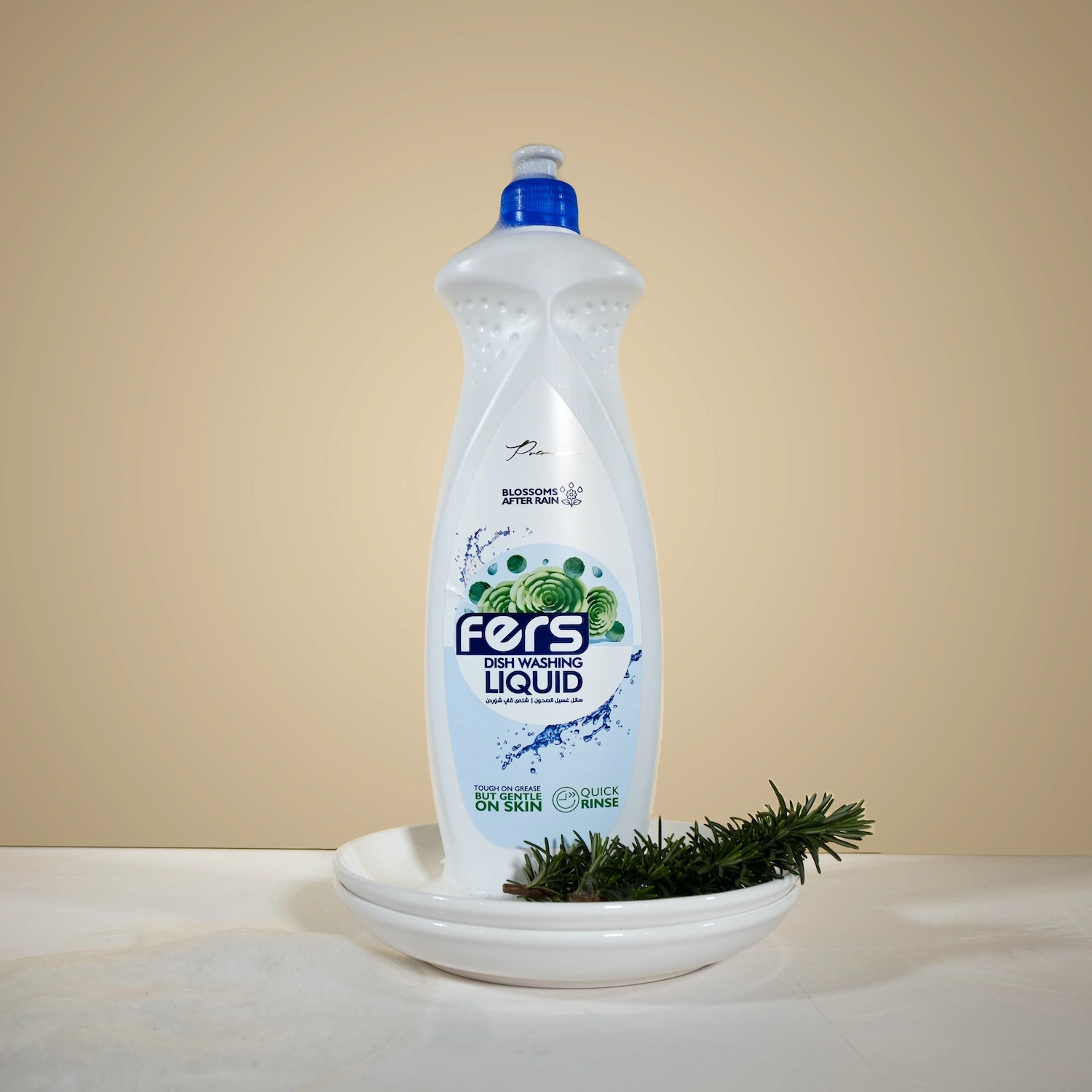
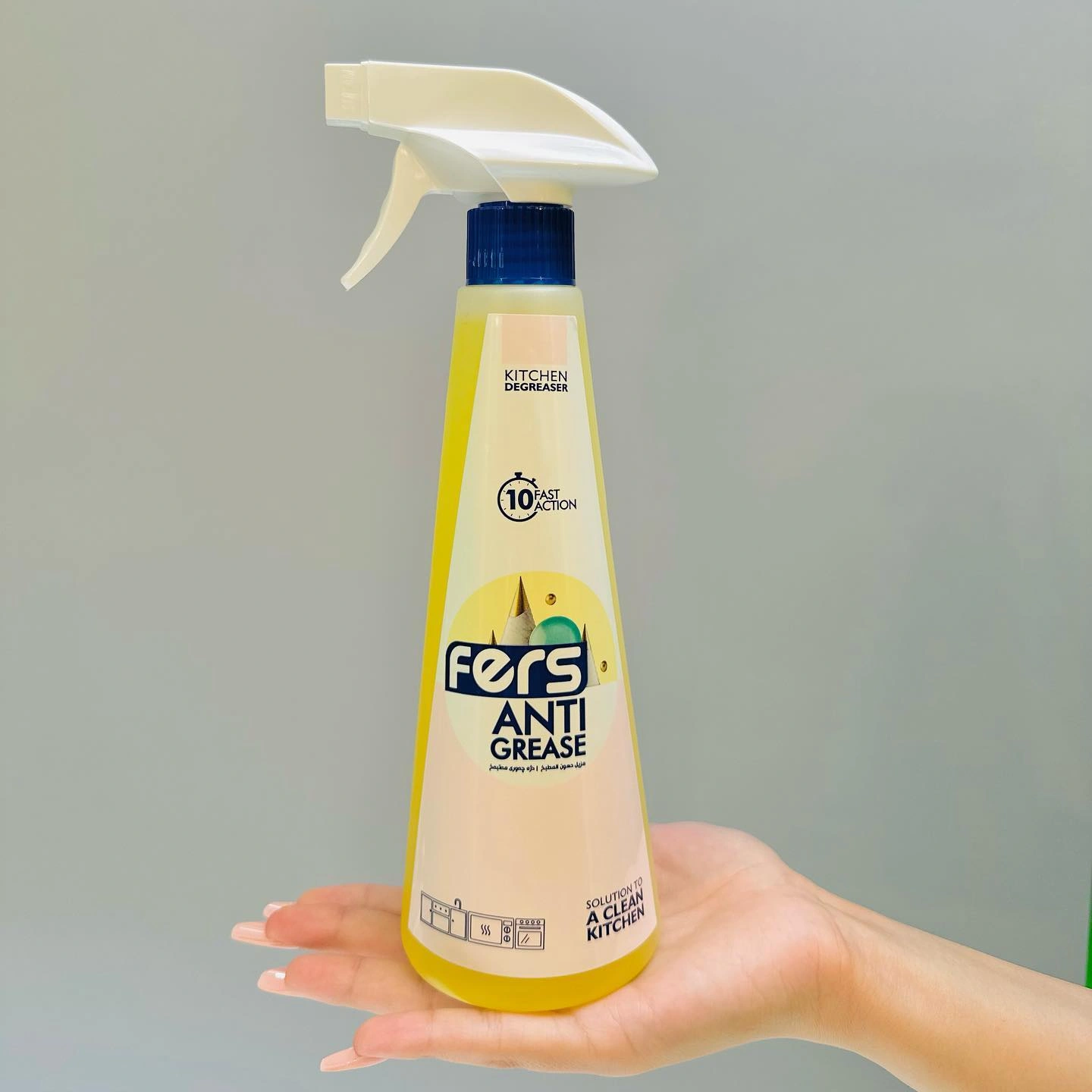
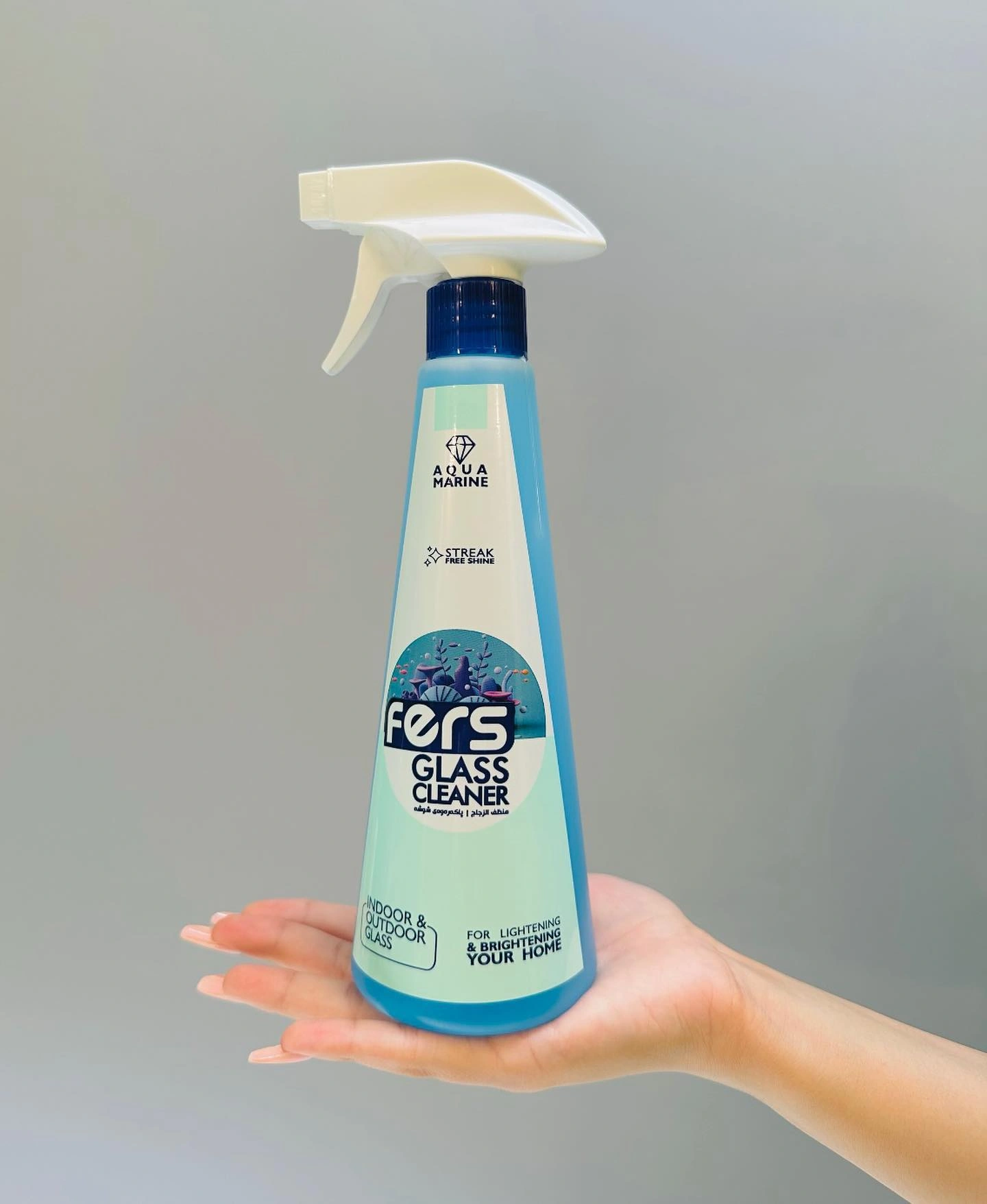
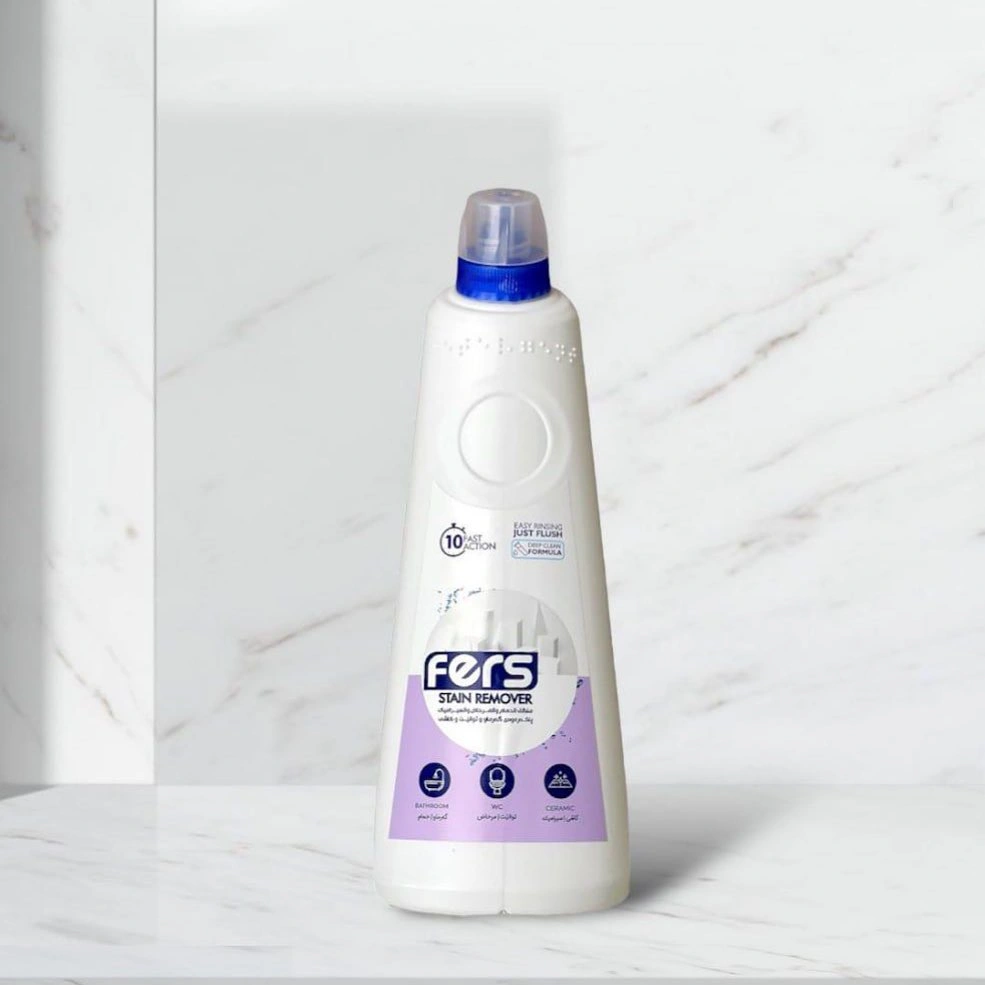
When you hold a bottle of dishwashing liquid or bleach in your hand, what you see is the result of a long and precise journey. The industrial design team of Sahi Rasa Company completed this journey for a full range of household detergent products: 900 g and 3750 g dishwashing liquid, 500 g and 3750 g hand wash liquid, 1000 ml and 4000 ml bleach, glass cleaner, and stove cleaner.
This project was carried out under a contract from Sahi Rasa’s Industrial Department for the establishment of a detergent factory in the Kurdistan Region of Iraq. Below, every stage of this process is described in full detail without any summarization.
Creativity is about making the ordinary look worth noticing.
Engineering is about creating something so striking that people can’t help but stare.
Creativity
At the very beginning, the design team did not think about mold limitations or machinery. They thought about human feeling and perception. Creativity at this stage meant finding a visual language that could simultaneously convey cleanliness, trust, cleaning power, and gentleness. For the smaller bottles, a sense of lightness and comfortable grip was sought. For the larger bottles, a sense of stability and high quality. For the bleach bottles, a sense of safety and strength. For the glass cleaner and stove cleaner, a sense of precision and clarity. Every initial form emerged from this artistic vision — a vision that did not see the product merely as a container, but as a carrier of the brand’s message.
Ideation
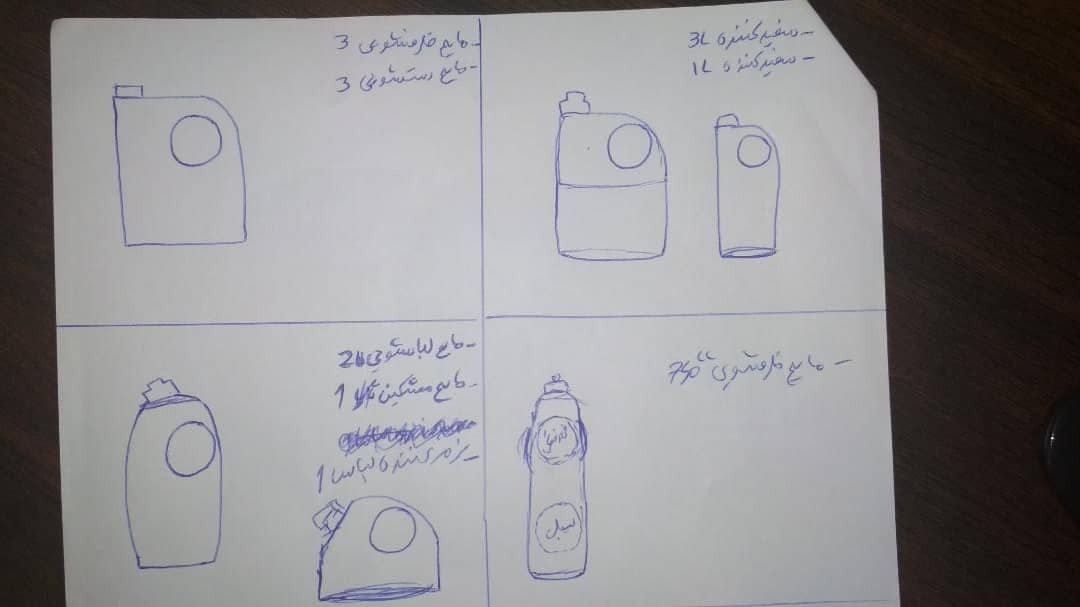
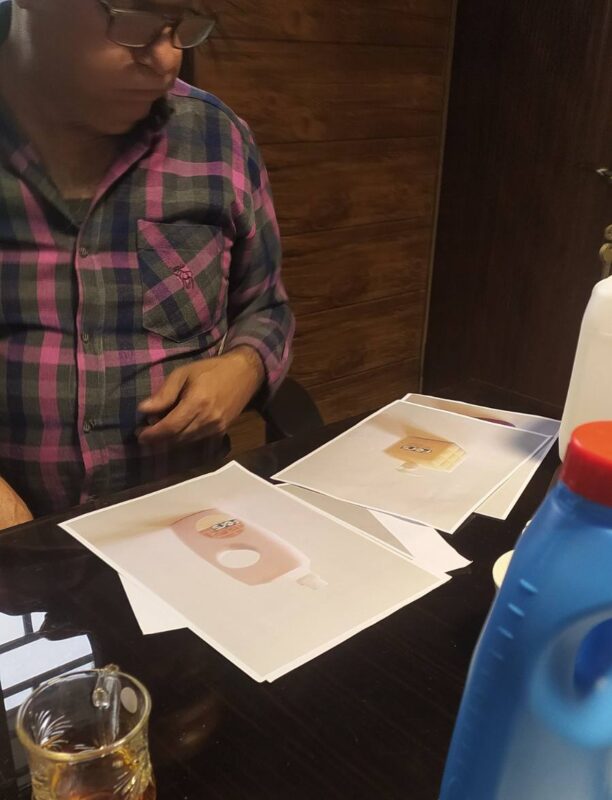
After the creative atmosphere was formed, ideation sessions were held. In these sessions, dozens of different ideas for body form, label placement, cap type, pouring method, and even the tactile feel of the bottle surface were discussed. Ideas were sketched on paper and whiteboards, then evaluated in terms of feasibility, differentiation from competitors, and suitability for the target consumer culture. Some ideas were discarded, some were combined, and a number were selected as the main directions for the next stages.
Sketching and Initial Design
The selected ideas entered the sketching phase. Designers first drew dozens of initial concepts by hand and then developed them in two-dimensional software. In these sketches, the height-to-width ratios, body curves, finger placement when holding the bottle, shoulder angle of the bottle, and the proportion between the cap and the body were carefully examined. The initial designs were revised many times until they reached a point where they were both aesthetically defensible and ergonomically logical.
Three-Dimensional Design
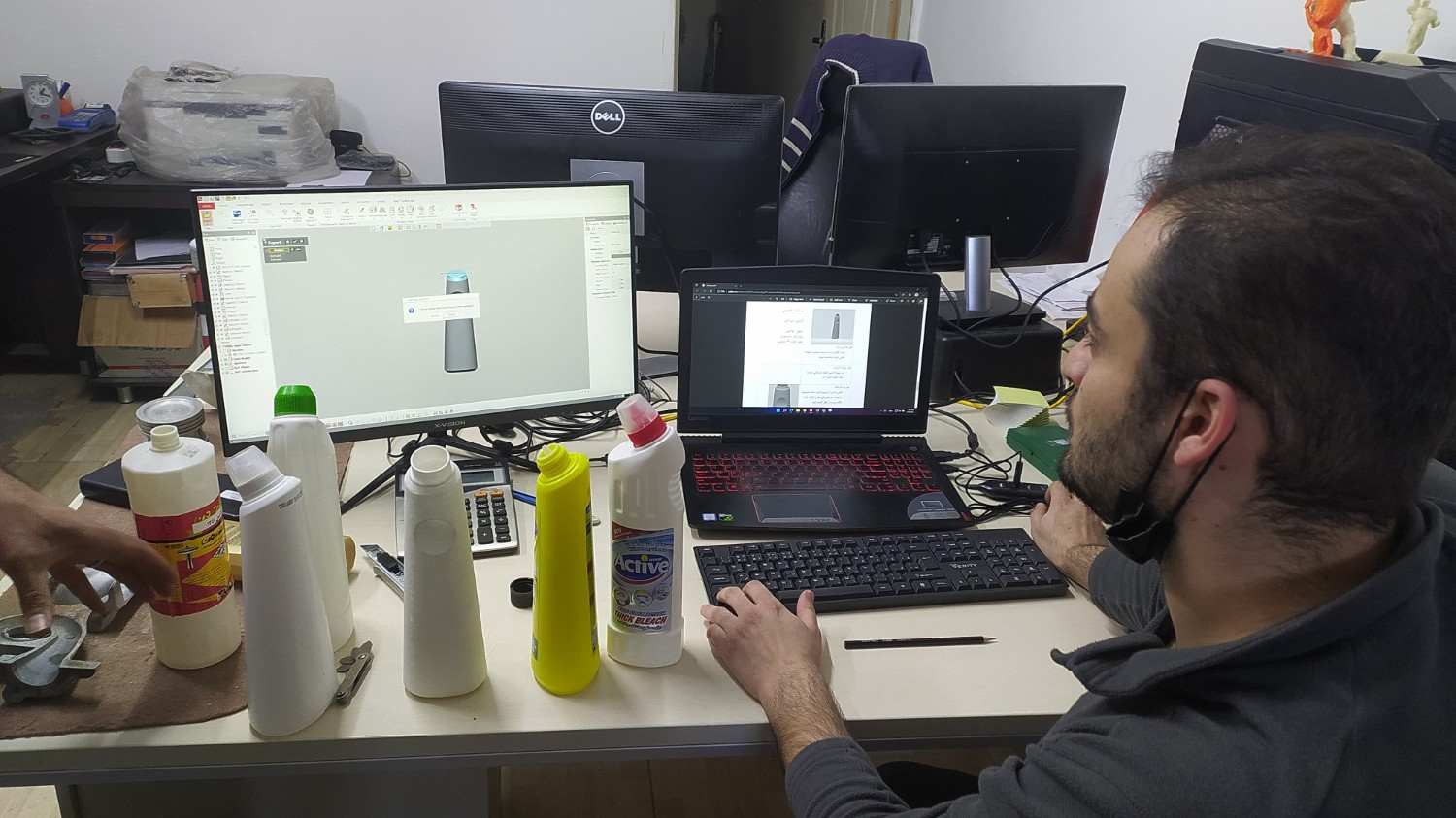
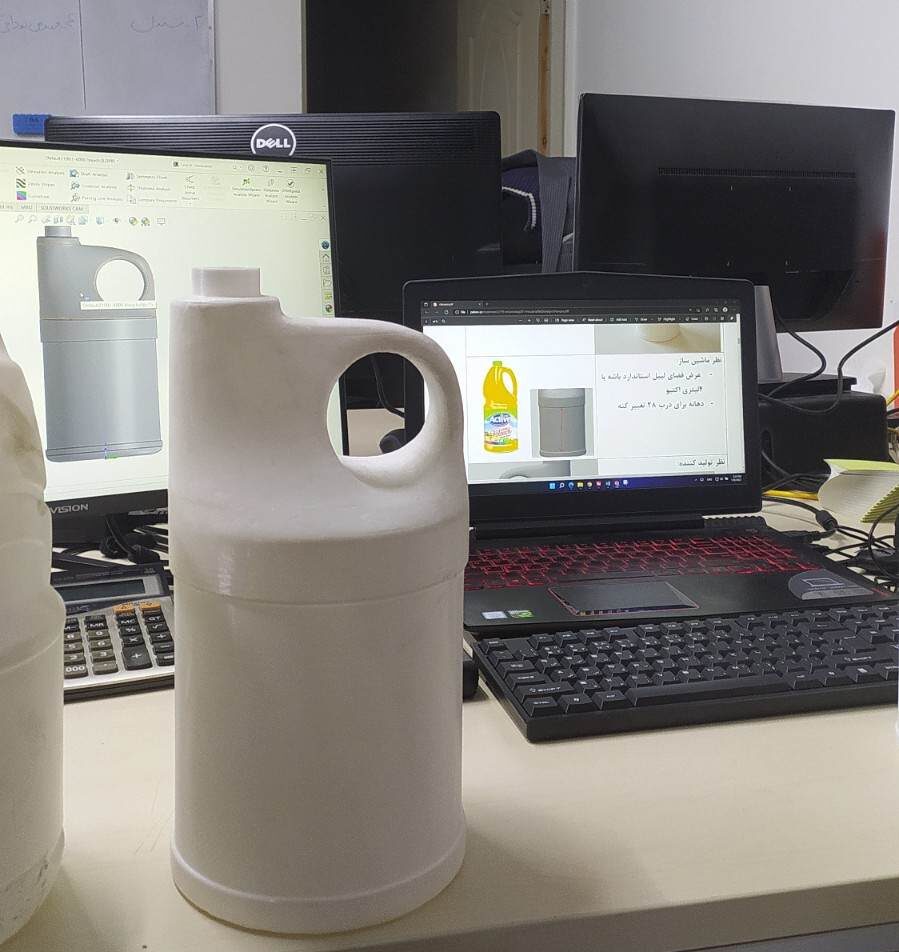
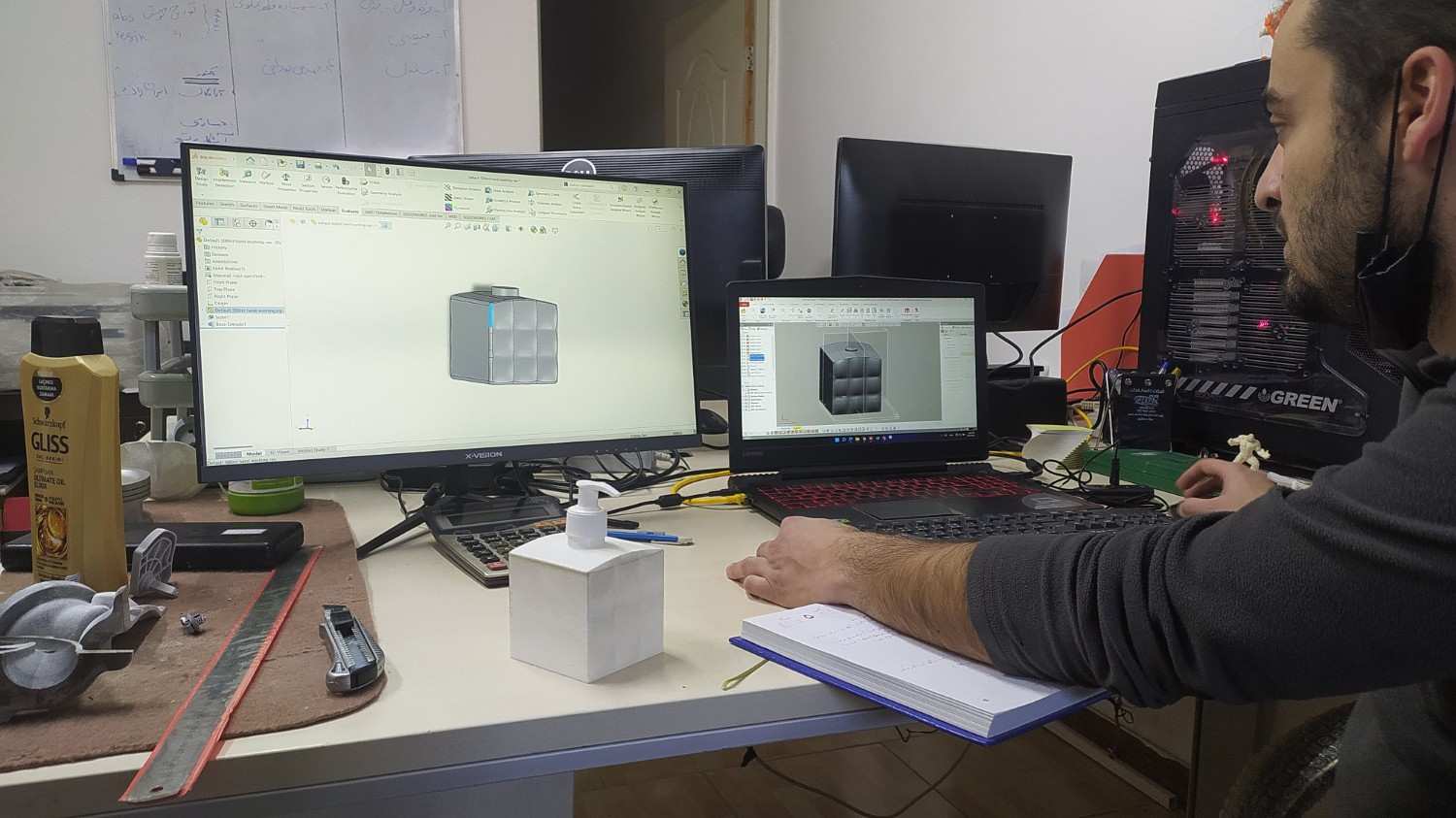
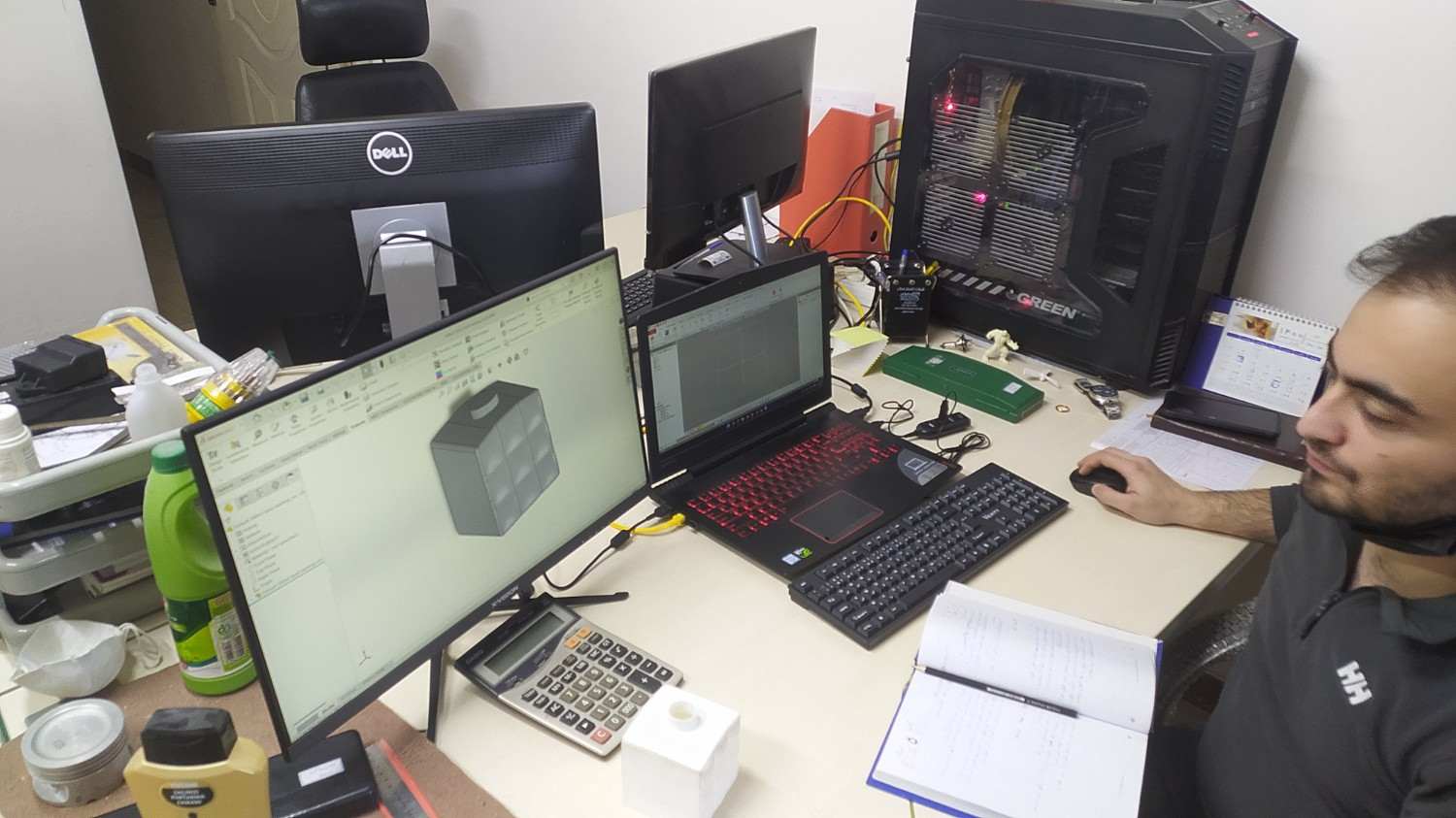
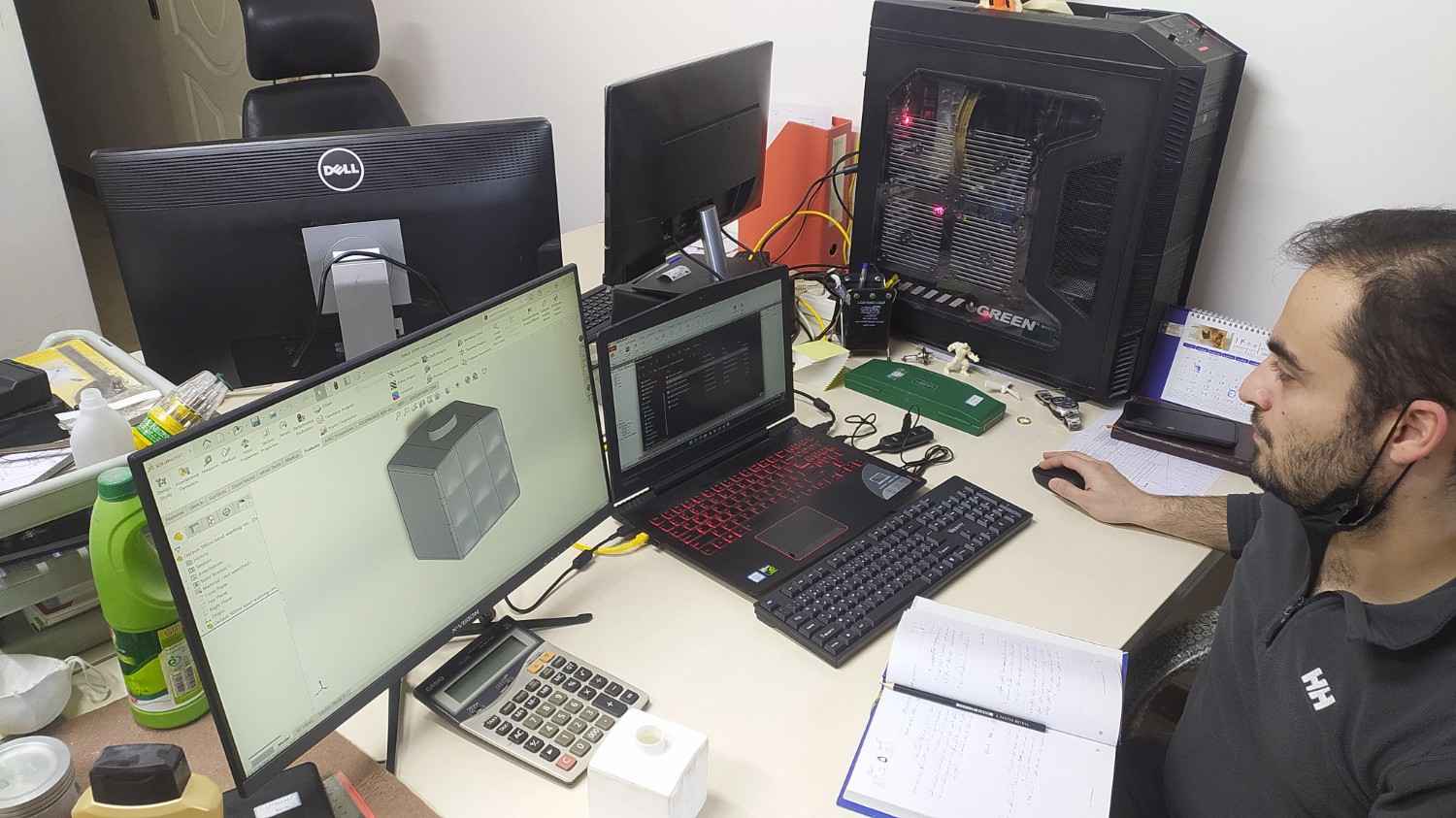
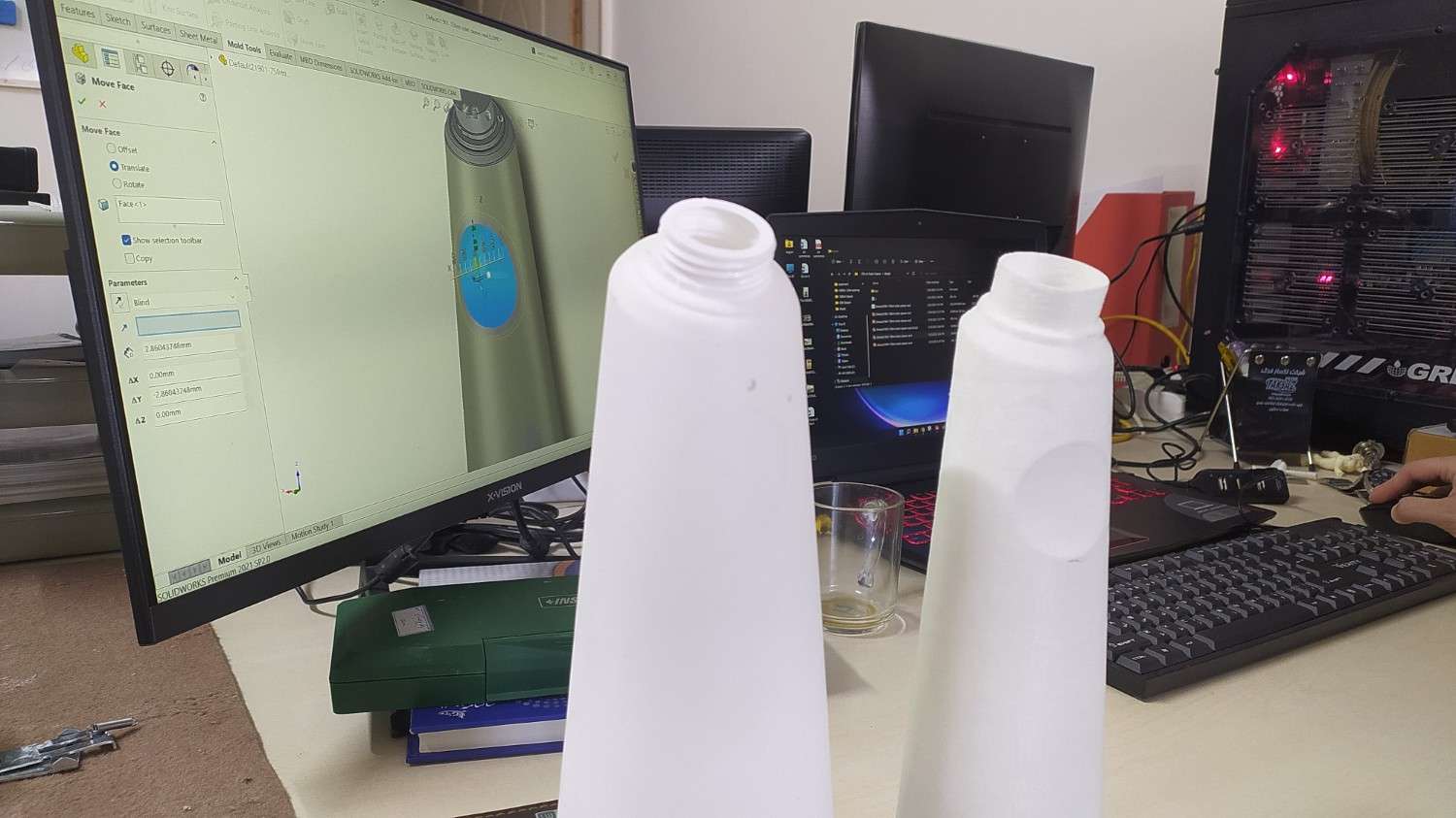
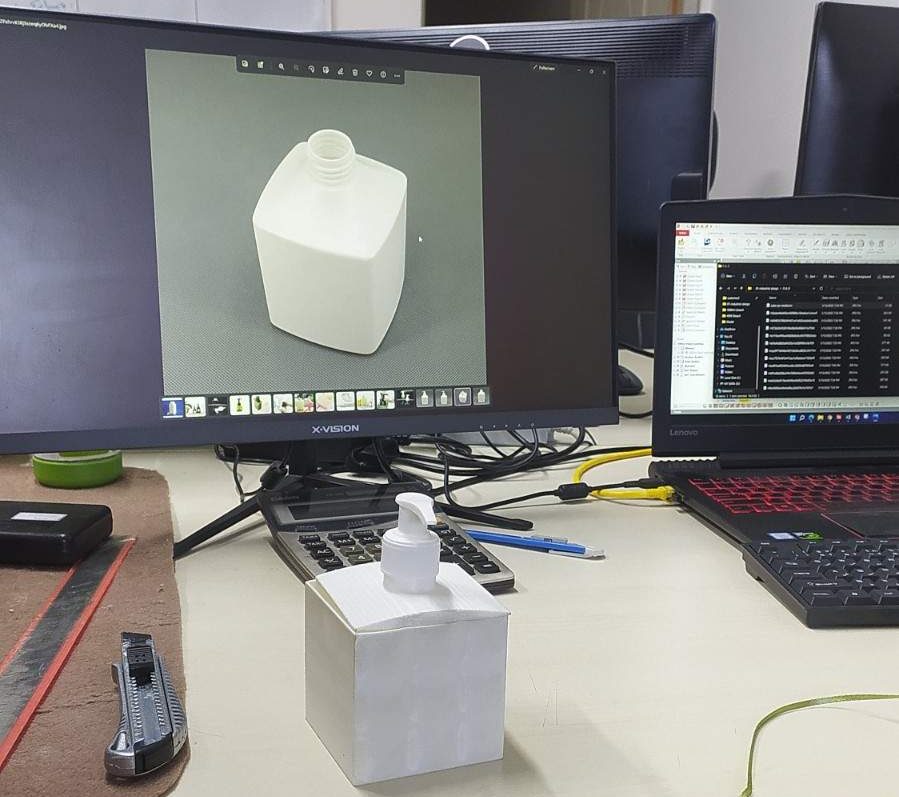
The approved sketches were then transferred into three-dimensional space. Precise models of each bottle were created with full dimensional details, wall thicknesses, curve radii, mold pin locations, and the seating surface for the cap. At this stage it became possible to fully rotate the model, study light and shadow on the surface, and evaluate the real volume of the product. The three-dimensional design became the foundation for all subsequent stages — from sample printing to mold manufacturing.
Three-Dimensional Printing for Testing
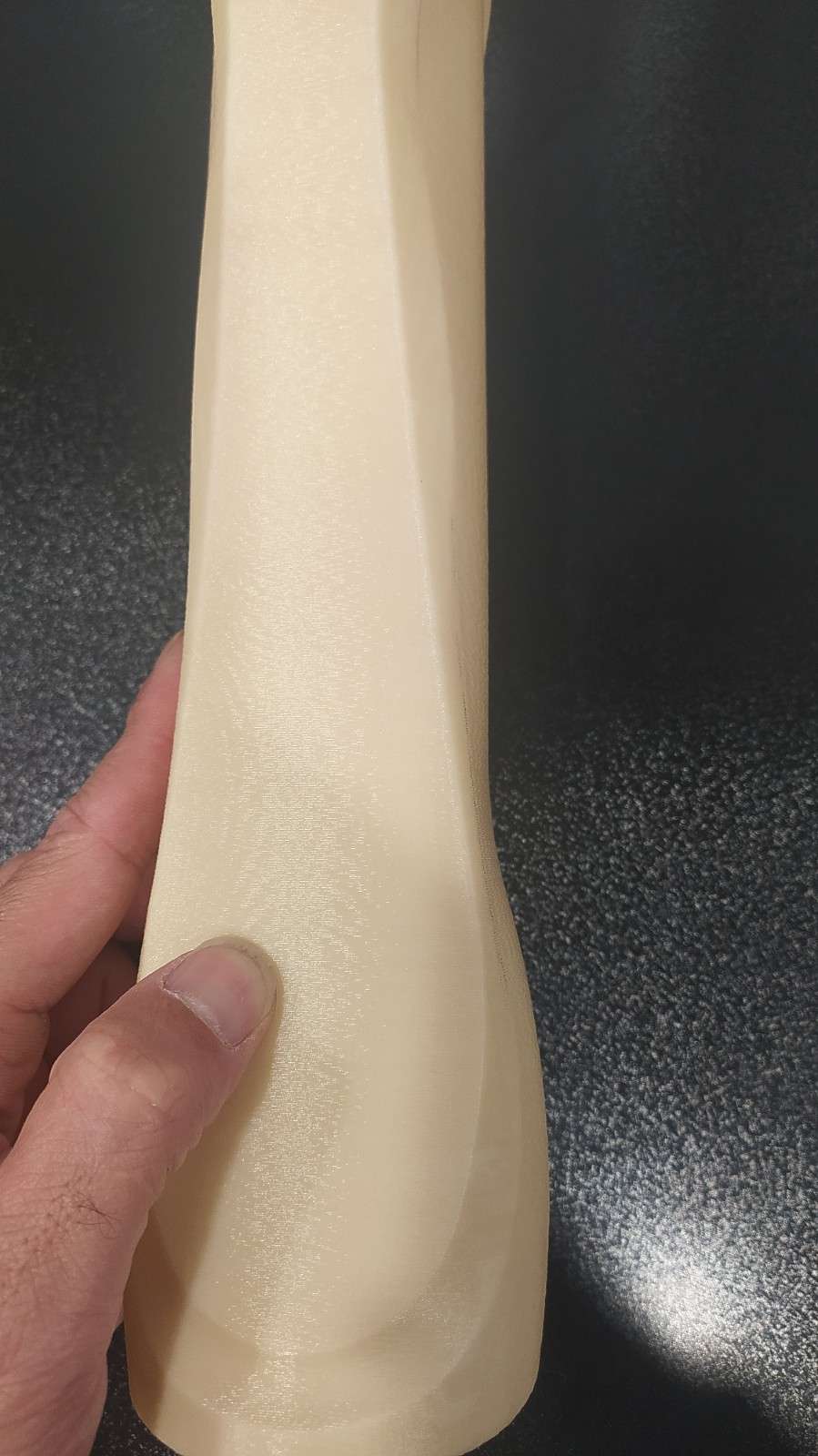
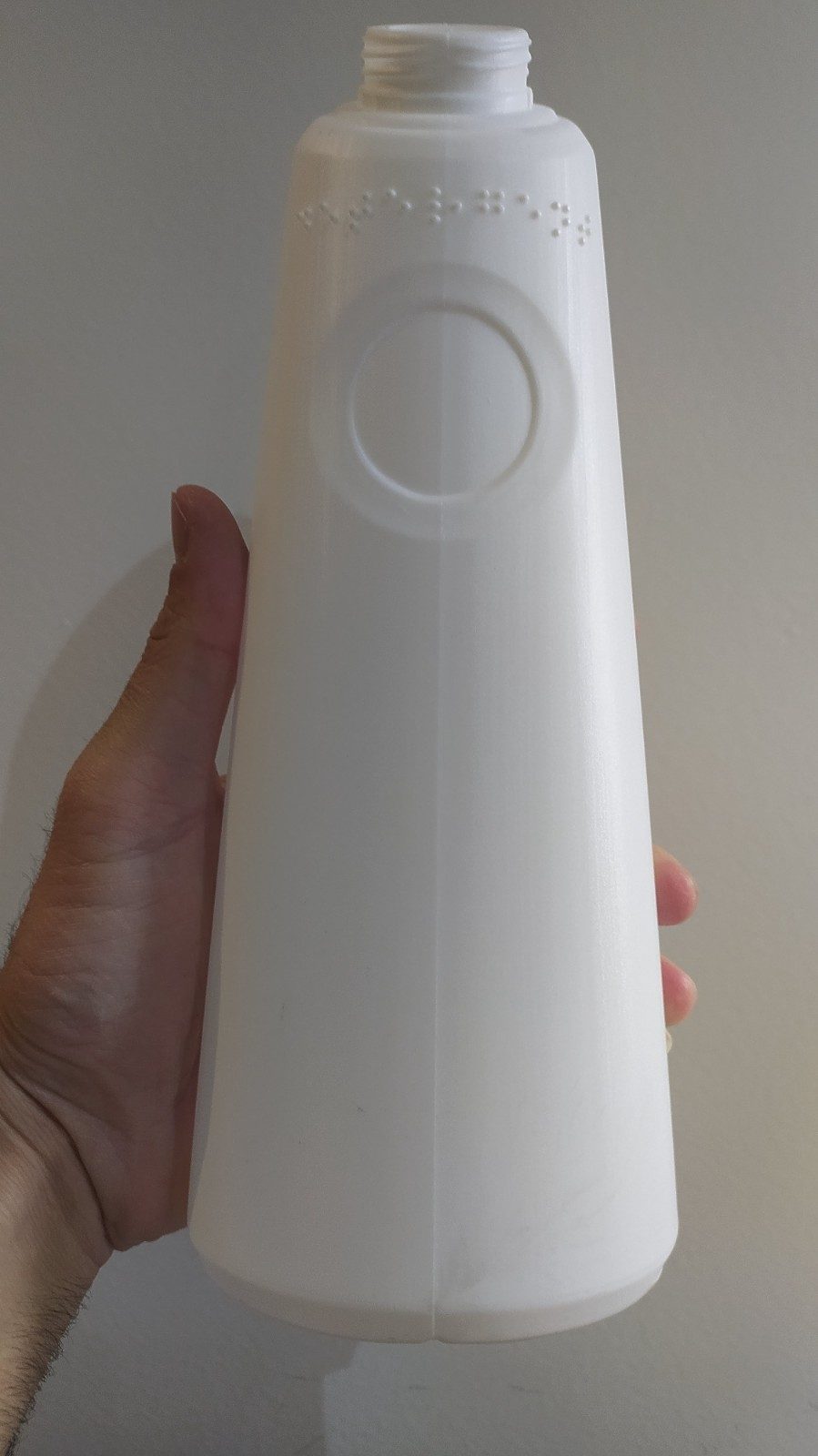
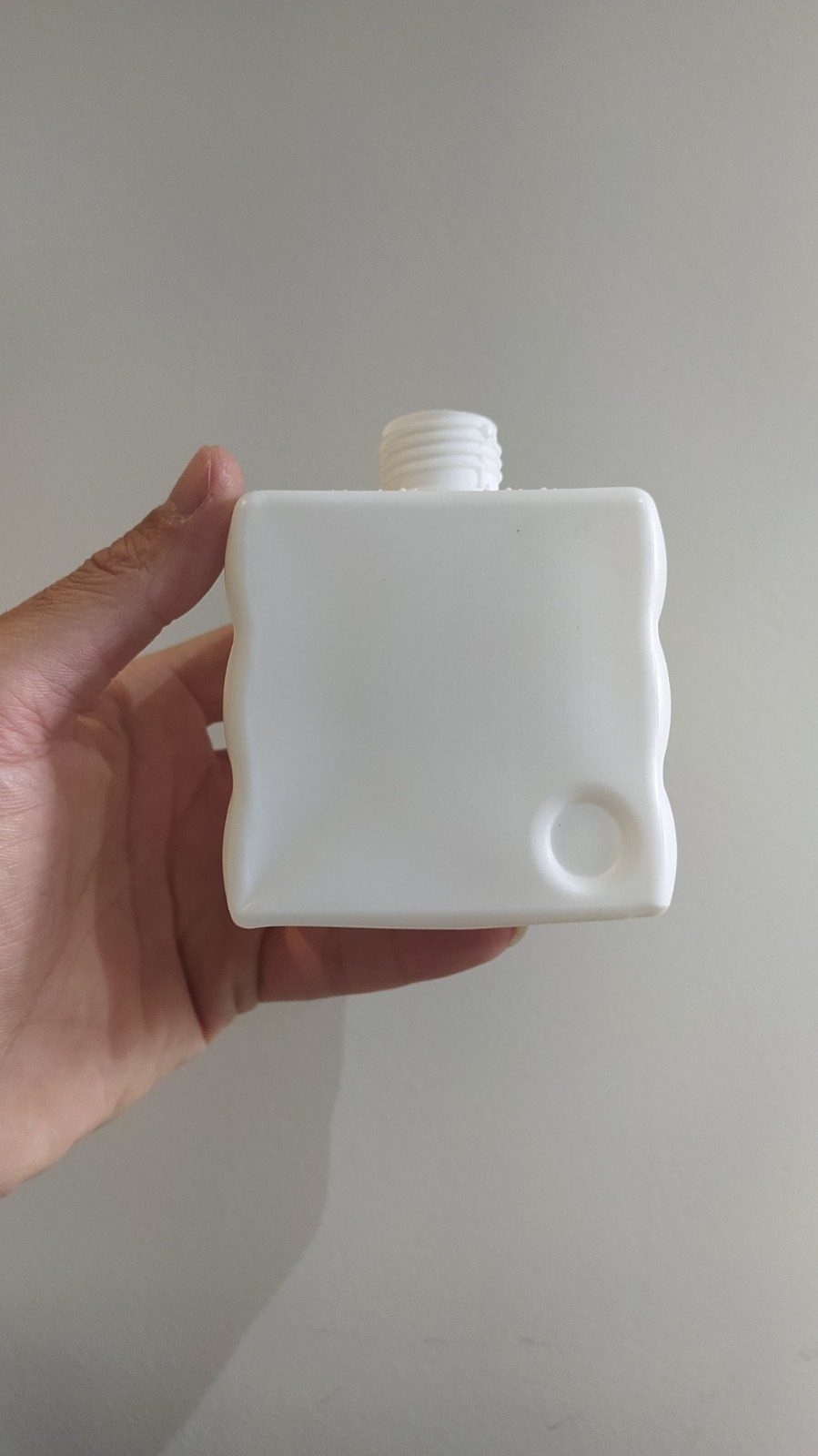
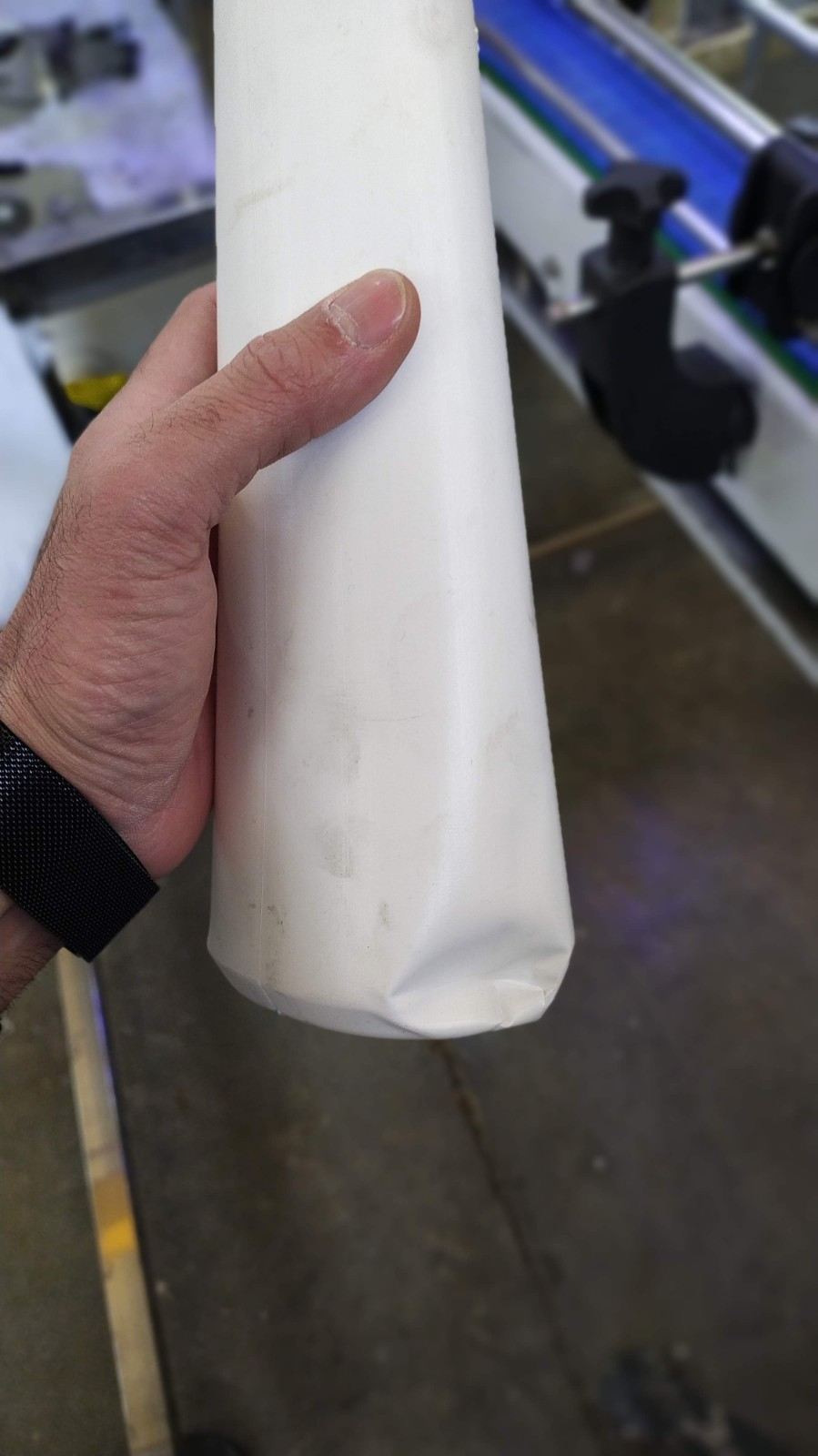
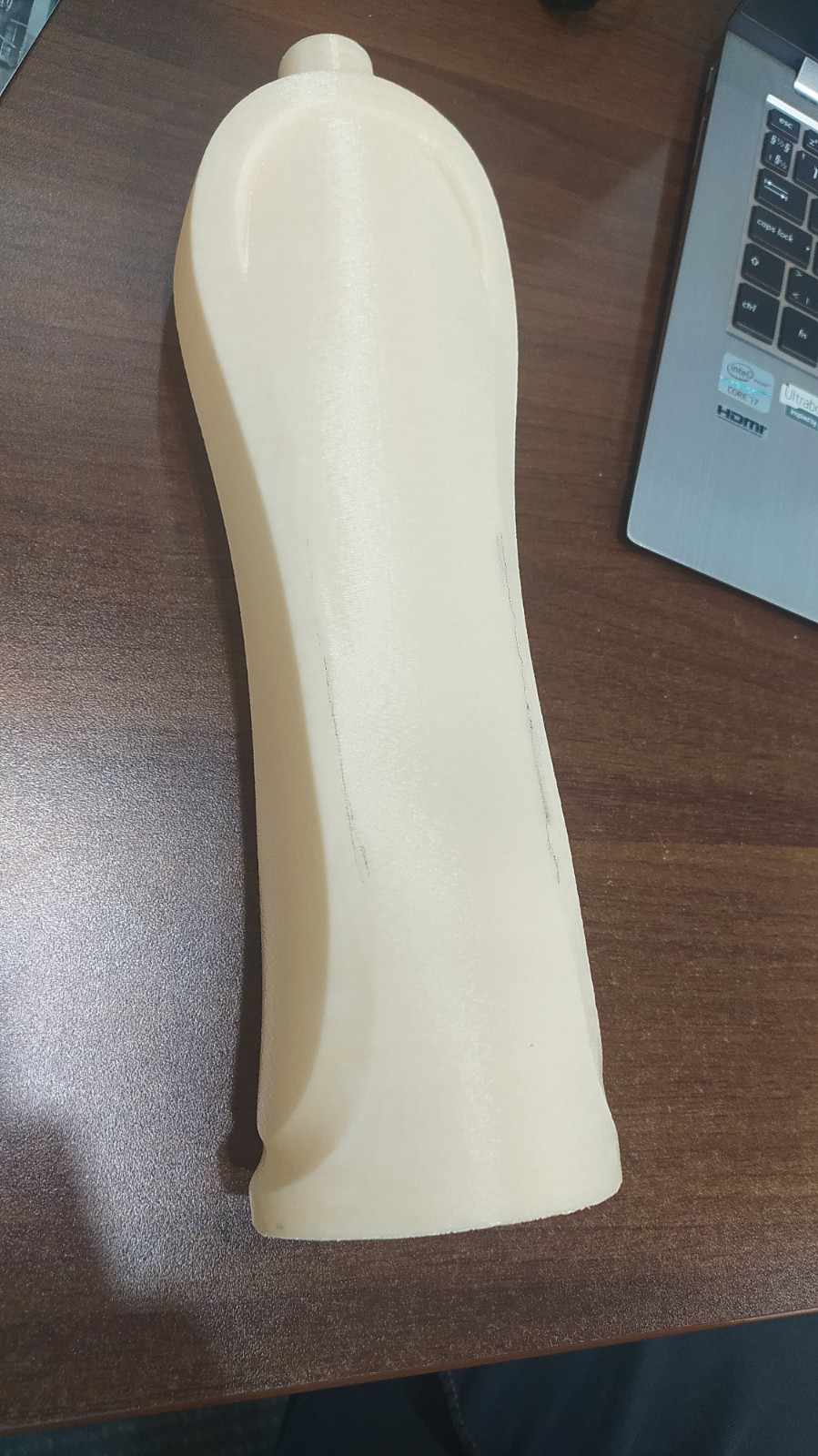
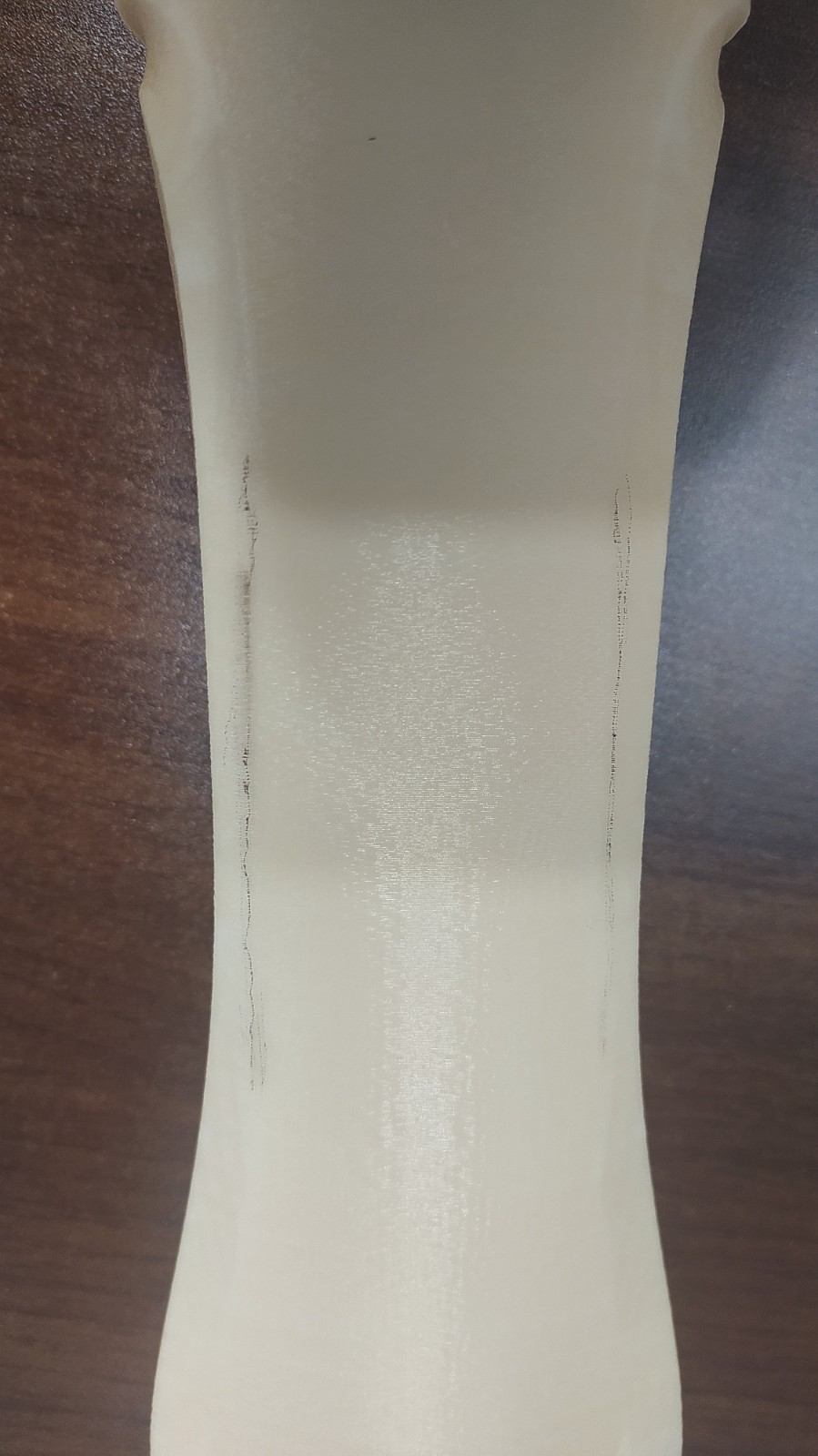
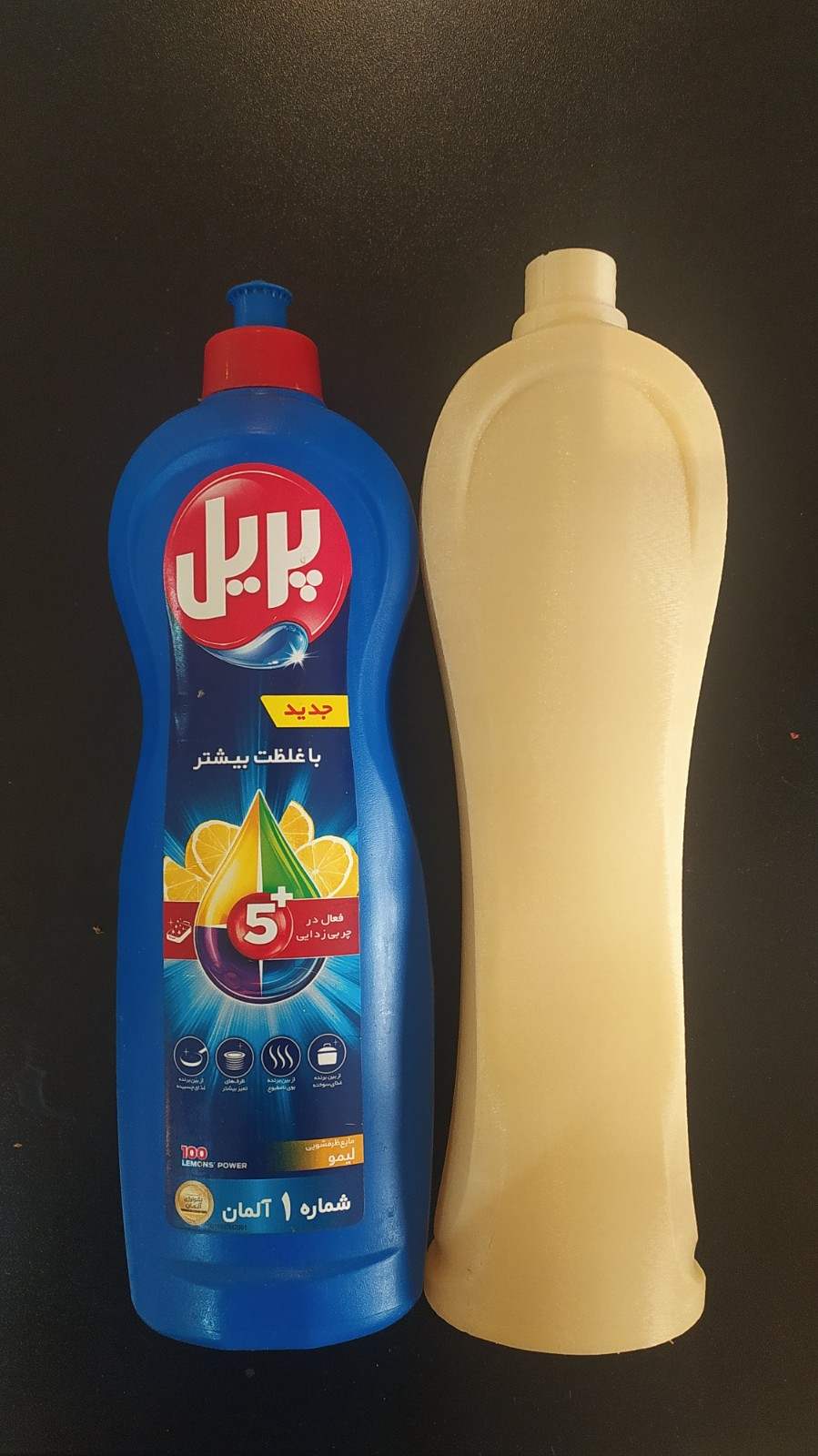
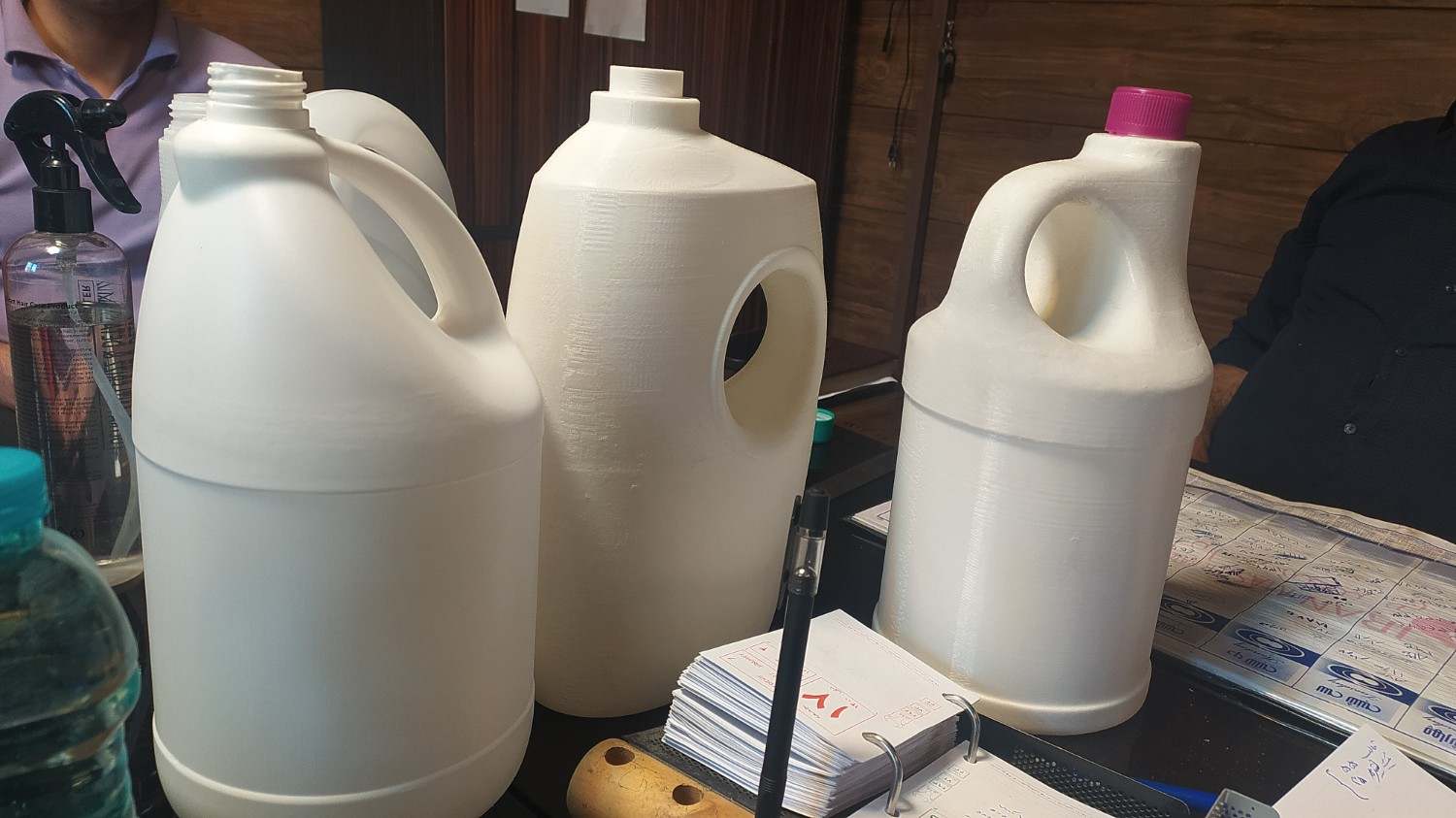
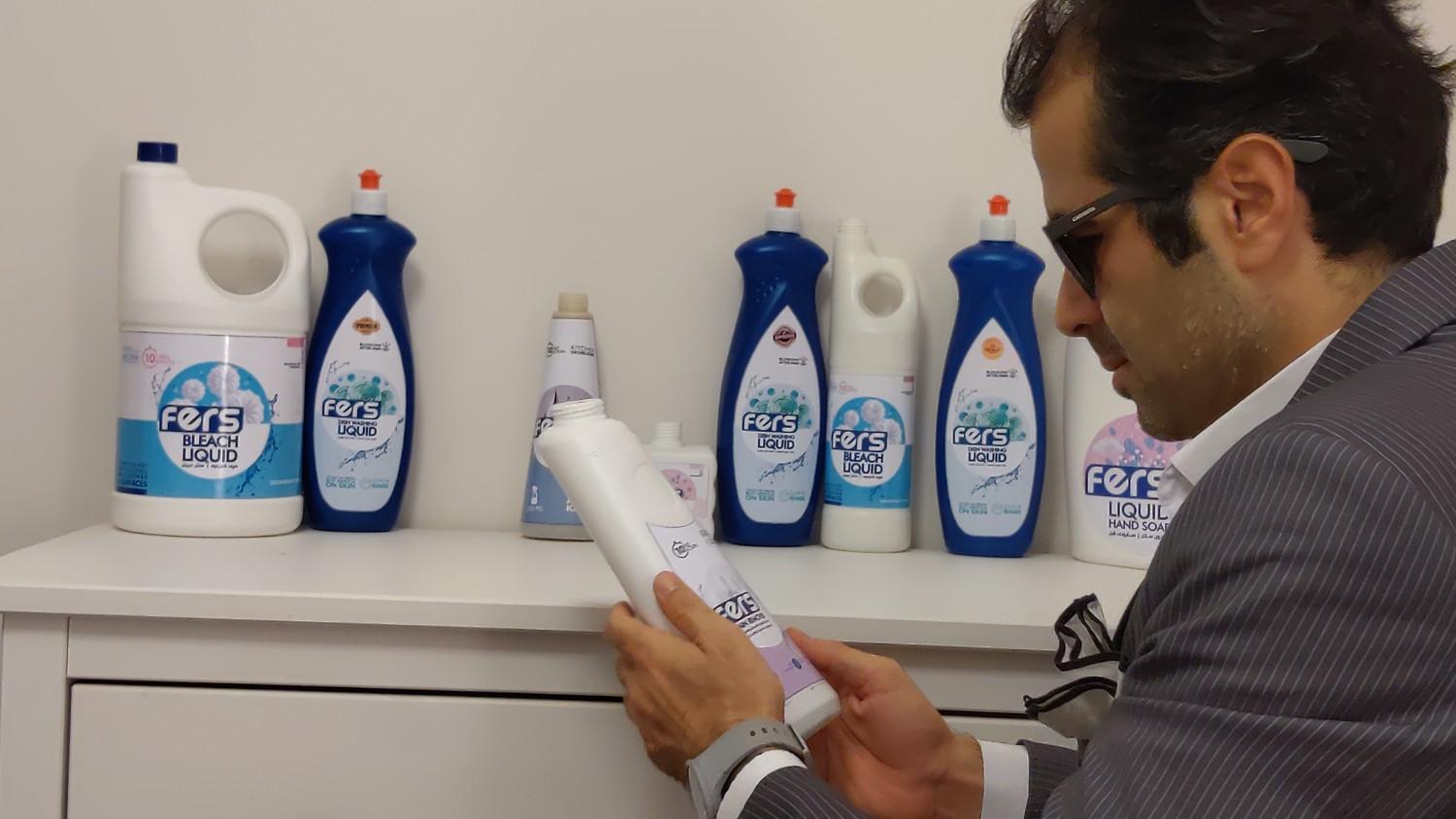
The three-dimensional models were sent to 3D printers so that physical samples could be produced in real size. These samples were held in the hand, placed on a table, examined under light from different angles, and evaluated for ease of use, stability, and overall feeling. Three-dimensional printing made it possible to identify form and ergonomic issues before any cost was spent on manufacturing metal molds.
Revision
The results obtained from testing the printed samples returned to the design table. Some curves were made sharper or softer, the center of gravity of certain bottles was adjusted, thickness was modified in specific areas, and details of the cap connection were improved. Revisions continued until both the design team and the client reached complete agreement.
Final Design
After all corrections were applied, the final design of each product was locked. Complete technical drawings were prepared, including all dimensions, tolerances, surface specifications, and mold details. These drawings became the basis for mold manufacturing and industrial production.
Material Selection
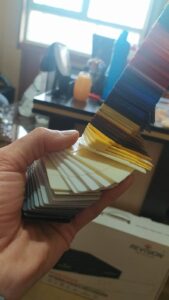
Considering the chemical nature of each product, the appropriate material was selected. Resistance to surfactants, acids, and bleaching agents, the required transparency or opacity, mechanical strength, and the behavior of the material during the injection process all played a role in this decision. The final material had to be compatible with the bottle contents while also delivering the desired visual quality.
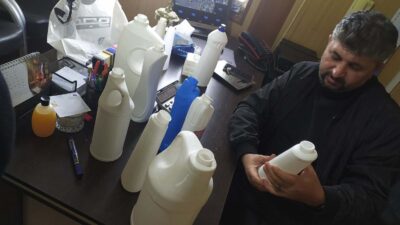
Material Selection
Injection Mold Manufacturing
Based on the final design, injection molds were designed and manufactured. Mold design included the gating system, cooling system, number of cavities, parting line location, and ejection details. The goal was to create molds capable of producing parts with uniform quality, clean surfaces, and minimum waste under industrial production conditions.